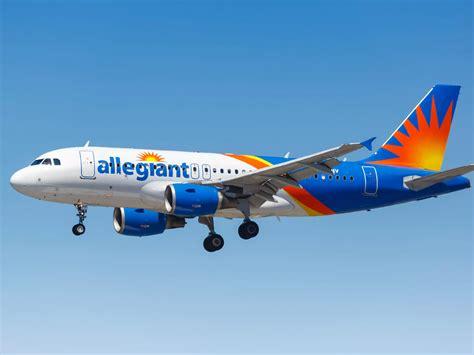
Allegiant Air, an ultra-low-cost carrier based in Las Vegas, has perfected a unique business model over the years that has allowed it to remain successful despite challenges from legacy airlines and changing industry dynamics. Since its inception in 1997, Allegiant has carved out a niche in the airline industry, focusing on small-market, point-to-point flights, often bypassing major airports and competing against established players.
The Core of Allegiant’s Business Model: Low-Cost, High Efficiency
Allegiant Air’s business model revolves around a few key principles that set it apart from most U.S. airlines. The carrier specializes in providing affordable, no-frills service to leisure travelers. This focus on low-cost travel has allowed Allegiant to maintain a consistent presence in an otherwise competitive market. While some low-cost carriers, like Southwest Airlines and JetBlue, also compete on price, Allegiant further distinguishes itself by operating in underserved cities that legacy carriers often overlook.
A significant part of Allegiant’s success comes from its point-to-point flight model, where the airline avoids traditional hub-and-spoke networks. This method reduces unnecessary costs and makes the airline more flexible and efficient in its operations. Allegiant’s passengers benefit from nonstop flights to leisure destinations, primarily targeting those from colder northern regions who are looking to travel to warmer spots like Florida, Nevada, and Arizona.
Uncomplicated, Low-Overhead Operations
What makes Allegiant Air so unique is its ability to keep operating costs down by adopting various strategies to reduce overhead. One of the key factors is Allegiant’s choice of smaller, secondary airports. Airports like Orlando Sanford International and St. Louis’ MidAmerica St. Louis Airport are often used as base locations, offering the airline lower fees and fewer operational costs compared to major hubs. This is a classic move taken from European low-cost carriers like Ryanair and EasyJet, who similarly leverage less expensive airports for more efficient operations.
Further enhancing its cost-saving measures, Allegiant Air has made a concerted effort to minimize labor costs. The airline relies on contract staffing for ticket counter positions, ensuring that it avoids paying full-time salaries for roles that don’t require round-the-clock presence. In this way, Allegiant can maintain a lean workforce while continuing to meet operational needs. This has proven to be an effective method, especially during the pandemic when many carriers struggled with high labor expenses.
Another strategy that has helped Allegiant maintain low operating costs is its practice of buying aircraft second-hand or at steep discounts. This allows the airline to operate older jets for longer periods, lowering maintenance costs without sacrificing reliability. Allegiant also schedules its crews to return home each day, avoiding the need for hotel accommodations and reducing travel-related expenses.
The Role of Leisure Travel in Allegiant’s Success
Unlike airlines that rely heavily on business travelers, Allegiant focuses on leisure travel as its core market. The airline predominantly serves passengers looking to visit vacation destinations, especially in states like Florida and Nevada. Allegiant understands its customer base well—many of its travelers come from the Midwest and Northeast, seeking sun and entertainment in places like Las Vegas and Orlando.
Allegiant’s success in targeting leisure travelers has allowed it to consistently fill flights, even during periods when other carriers struggle with low demand. By offering affordable prices and convenient routes to popular destinations, Allegiant fills a void in the market that other airlines overlook.
The company’s ability to carve out a niche in the leisure travel sector is due to its relatively low competition in the smaller markets it serves. Allegiant operates in regions where legacy carriers are either absent or have minimal presence, ensuring that it faces limited direct competition. For example, only 18% of Allegiant’s 518 routes faced direct competition from another airline at the time of the pandemic, a statistic that speaks volumes about the carrier’s ability to avoid head-to-head competition.
Strategic Use of Secondary Markets
Allegiant Air is not just content to serve small airports—it specifically seeks out secondary markets that traditional carriers tend to overlook. By focusing on these less-traveled destinations, Allegiant reduces the risk of competition with major airlines, which prefer to serve high-traffic hubs. This model allows the airline to capture demand from passengers who would otherwise have to fly with legacy carriers from larger airports, often at much higher prices.
This approach has been so effective that even new entrants like Breeze Airways and Avelo Airlines have adopted similar small-market, point-to-point models, targeting routes where Allegiant has already established a foothold. While these new carriers pose potential challenges, Allegiant’s long-standing operational expertise and efficiency give it a competitive edge in many of the smaller cities they serve.
Allegiant’s Resilience in the Face of Competition
In the face of competition from newer players, Allegiant continues to perform well by staying true to its core business model. Breeze Airways and Avelo Airlines have both attempted to replicate the success Allegiant has achieved by targeting smaller markets and operating point-to-point routes. However, Allegiant’s brand recognition, established presence, and extensive network in secondary markets make it a formidable competitor.
Despite facing challenges during the pandemic and the rise of competitors, Allegiant’s ability to keep costs low and maintain its position in small, underserved cities has allowed it to remain resilient. Allegiant’s operational efficiency has consistently allowed it to keep fares low while providing value to its passengers. This combination of affordability and reliability has been key to Allegiant’s long-term success.
Leveraging Technology for Direct Customer Engagement
One of Allegiant’s most significant strategic advantages is its direct-to-consumer sales model. The airline primarily markets its flights through its own website, ensuring it has complete control over its pricing. By bypassing travel agencies and third-party platforms, Allegiant can avoid commission fees and maintain flexibility in its pricing structure.
In addition to offering airfare, Allegiant has expanded its services to include bundled vacation packages. These packages often combine airfare with hotel stays, making it easier for passengers to plan their trips. By offering these bundles, Allegiant can create additional revenue streams while providing a seamless booking experience for its passengers.
The company has also expanded into international markets, primarily targeting Canadians looking for affordable flights to the U.S. Allegiant operates flights from airports near the U.S.-Canada border, such as Plattsburgh International Airport in New York, where the majority of passengers are Canadians seeking budget-friendly travel options.
Allegiant Air’s Future: How Will the Model Evolve?
As competition in the small-market, ultra-low-cost carrier sector intensifies, Allegiant must continue to innovate and adapt. The airline’s ability to keep costs low while maintaining a high level of service will be critical in the coming years. With Breeze Airways and Avelo Airlines pushing the envelope in terms of network growth, Allegiant’s model of avoiding direct competition will be tested more than ever.
The potential for international expansion and further integration of bundled services could provide Allegiant with new growth opportunities. Additionally, its ongoing fleet expansion with newer aircraft such as the Airbus A320 will continue to modernize its offerings and improve operational efficiency.

Despite these challenges, Allegiant’s small-market business model remains one of the most innovative in the airline industry. By focusing on leisure travel, keeping operational costs low, and avoiding direct competition, Allegiant Air has found a formula for success that has allowed it to thrive for nearly three decades. Whether it can maintain this success in the face of growing competition will be a key story to watch in the coming years.