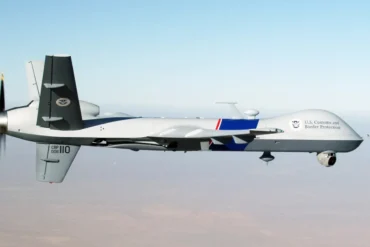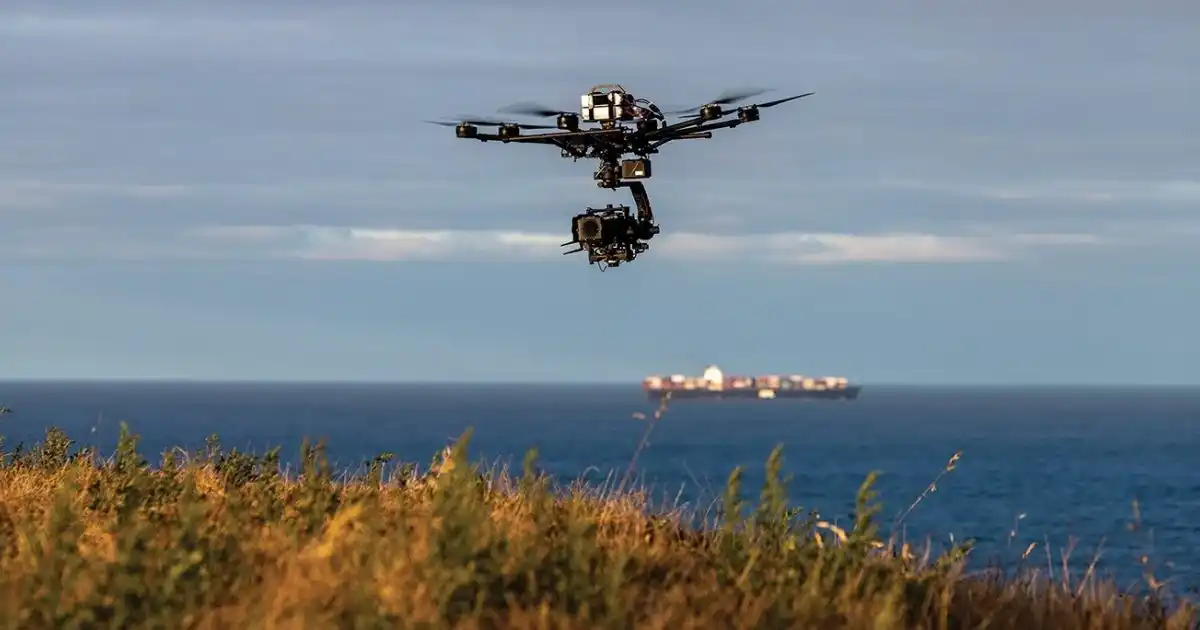
In a recent hearing before the Homeland Security Committee, lawmakers unveiled their intent to push through a Digital Flight Authorization under H.R. 334, a proposal that would fundamentally alter the way drones take to the skies in America. Under this bill, every unmanned aircraft—from cinema‑grade quadcopters to first‑person‑view (FPV) racers—would be required to register its real‑time location and obtain pre‑flight clearance from federal authorities. The measure draws no distinction between casual hobbyists capturing scenic footage and malicious actors seeking to exploit the technology, treating all operators with a uniform set of stringent requirements.
Supporters of the measure cite alarming incidents—such as a drone collision with a helicopter in Kerr County—to justify expanded oversight. Legislators described these occurrences in dramatic terms, painting a picture of imminent danger that demands preemptive action. Yet many in the drone community view this as fearmongering designed to pave the way for new revenue streams for technology vendors and to hand over vast swathes of American airspace to corporate interests.
From the outset, the hearing felt more like a sales pitch than a policy debate. Industry advisors, many armed with cutting‑edge detection and interdiction technologies, fielded loaded questions that seemed crafted to elicit alarmist responses. Observers noted the ironic choreography: committee members lobbed softballs to vendors, who then warned of worst‑case scenarios, fueling calls for even more regulation.
Homeland Security Committee’s Digital Flight Authorization: Scope and Impact
The crux of H.R. 334 lies in its demand for a government‑issued authorization code before any drone may lift off. Proponents argue that this digital permit will ensure every flight is logged, traceable, and compliant with safety protocols. Critics counter that the system would introduce crippling delays, turning spontaneous aerial photography or emergency response flights into bureaucratic nightmares. Without a streamlined approval process, pilots could face unpredictable wait times, grounded equipment, and hefty fines for attempted unauthorized operations.
Moreover, the proposal empowers authorities to deny clearances for any vague safety or security concern, with no transparent appeals process. This unchecked discretion could leave operators guessing why their flights were blocked, eroding trust in regulatory bodies and stifling innovation in a sector celebrated for its rapid technological advancements.
Redundant Systems vs. New Mandates: LAANC and Remote ID Already in Place
Long before H.R. 334 emerged, the Federal Aviation Administration (FAA) implemented sophisticated frameworks designed to ensure safe drone integration into the national airspace. Chief among these are LAANC (Low Altitude Authorization and Notification Capability) and Remote ID, which collectively provide:
- Real‑time airspace authorizations for Part 107 commercial pilots via the LAANC system.
- Broadcast identification linked to a pilot’s registration and contact information under Remote ID requirements.
- Geofencing alerts and automatic flight restrictions near airports, stadiums, and other sensitive areas.
These measures have reduced conflicts between drones and crewed aircraft, enabling faster approvals and more transparent enforcement. The proposed Digital Flight Authorization would overlay an entirely new approval layer atop an already robust infrastructure, forcing pilots to navigate two parallel systems. Instead of building on successful existing tools, lawmakers are choosing to reinvent the wheel—an approach many insiders view as wasteful and counterproductive.
Government Overreach and the Role of Lobbyists in Shaping Policy
Beyond safety arguments, a recurring theme among commenters is government overreach—the idea that the state is seizing on isolated incidents to justify expansive control over a public resource. In this view, lobbyists from defense contractors and surveillance firms are the true beneficiaries of the debate. By promoting costly authorization platforms and enforcement hardware, these vendors stand to secure lucrative contracts funded by taxpayers.
Drone enthusiasts lament that the very people advocating for tighter restrictions showed little concern for the day‑to‑day challenges of hobbyists. Instead of listening to experienced pilots, the committee welcomed representatives from companies eager to sell turnkey solutions. This dynamic, critics say, transforms legislative hearings into marketing events where safety rhetoric masks profit motives.
Enforcement Impracticalities and Workarounds: The Cat-and-Mouse Game
Even if the Digital Flight Authorization system were flawlessly designed, skeptics argue enforcement would be nearly impossible in practice. Several factors undermine the proposal’s feasibility:
• Connectivity gaps in rural and remote areas where cellular or satellite links are unavailable, preventing real‑time clearance requests.
• Open‑source firmware projects like ArduPilot and Betaflight, which hobbyists can modify to bypass built‑in authorization checks.
• DIY drone builds, assembled from off‑the‑shelf components, that fall outside commercial registration and Remote ID frameworks.
Furthermore, history teaches that bad actors rarely submit to legal channels. Just as criminals ignore gun laws, those intent on weaponizing drones will find clandestine workarounds. The net result? Law‑abiding pilots bear the burden of compliance, while true threats remain undeterred by red tape.
The Corporate Airspace Play: Amazon, Walmart, and the Promise of Drone Delivery
A significant undercurrent in the regulation debate is the impending rise of drone delivery services. Retail giants like Amazon and Walmart have already conducted test flights and staked claims to valuable low‑altitude corridors. By championing stringent authorization protocols for hobbyists, policymakers risk clearing the runway for these corporate fleets.
Once a central authorization authority is established, private operators will need to negotiate access alongside major delivery players. Contracts, fees, and priority windows could become the norm, effectively squeezing out independent pilots. Observers warn that airspace—long considered a public commons—could fracture into privatized corridors, accessible only to those who can afford premium service agreements.
Drawing Parallels: Drone Regulation and Broader Policy Trends
Across the political spectrum, commentators have drawn analogies between drone oversight and other regulatory flashpoints—ranging from gun control to internet governance. At the heart of these comparisons is the tension between individual liberty and collective security. Just as debates over Second Amendment rights center on responsible ownership versus public safety, drone policy hinges on balancing innovation with risk mitigation.
Similarly, efforts to regulate online platforms often invoke fear of disinformation or extremism, leading to expansive content controls. Drone legislation echoes this pattern: isolated incidents become catalysts for sweeping authority granted to executive agencies. In each case, critics caution that overbroad mandates can undermine the very freedoms they claim to protect.
Implications for Hobbyists and the Future of Drone Flight
For millions of recreational pilots, drones offer an accessible gateway to aerial exploration and creative expression. The prospect of mandatory pre‑flight clearance raises existential questions: Will spontaneous flights over local parks become relics of the past? Must every weekend outing require a formal digital request? And what of the thousands of licensed Part 107 operators who rely on rapid approvals to deliver critical services—such as disaster assessment and infrastructure inspection?
Many in the community are mobilizing grassroots campaigns, urging hobbyists to contact their members of Congress and demand amendments that carve out reasonable exceptions. Proposals include limiting Digital Flight Authorization to high‑risk zones, streamlining approval windows to minutes, and preserving manual authorization methods for areas without reliable connectivity.
Conclusion: Charting a Path Forward Amid Regulatory Crosswinds
The debate over H.R. 334 encapsulates a broader struggle for control of the skies. On one side stand cautious legislators and technology vendors advocating for preemptive oversight; on the other, a diverse coalition of hobbyists, professionals, and civil libertarians defending the spontaneity and openness that have defined drone culture. As drone technology continues to evolve, policymakers must strike a careful balance: ensuring safety and security while preserving the freedom that has fueled innovation.
The coming months will be pivotal. Will Congress amend the bill to leverage existing frameworks like LAANC and Remote ID, or will it forge an entirely new bureaucratic apparatus? Will hobbyists be granted reasonable carve‑outs, or will they find themselves relegated to the sidelines? The answers will shape not only the future of recreational flight but the very character of America’s skies. As these legislative efforts unfold, one thing is certain: the drone community’s voice has never been more crucial. Stay informed, stay engaged, and prepare to take flight—both in the air and in the halls of power.