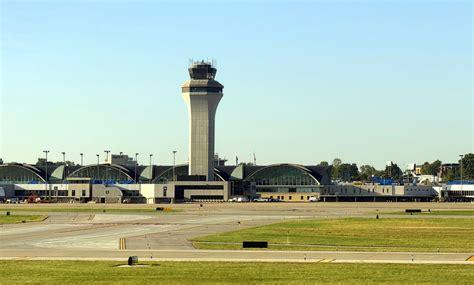
The United States aviation system has once again been pulled to the edge of instability as a partial government shutdown takes effect, reviving fears of a cascading air traffic control crisis. Airlines are warning lawmakers that the country’s fragile airspace network cannot endure another funding lapse that leaves air traffic controllers unpaid, fatigued, and stretched beyond safe limits. With memories of the last shutdown still fresh, the industry is moving early and aggressively to prevent operational paralysis.
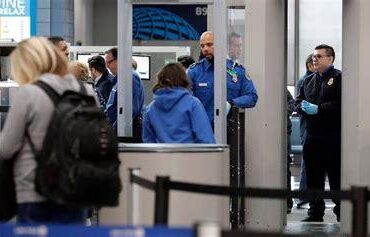
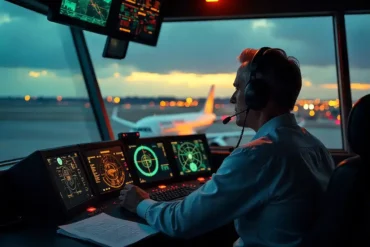
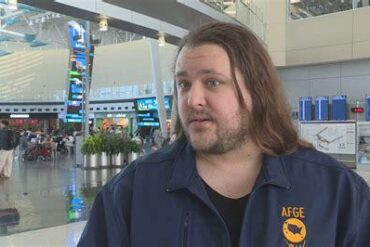
The shutdown began just after midnight Eastern Time when Congress failed to meet a funding deadline, triggering a familiar but dangerous pattern for aviation. Air traffic controllers and key Federal Aviation Administration safety staff are legally required to continue working, even as their pay becomes uncertain. Airlines argue that this structure is unsustainable, not only for workers but for the millions of passengers who depend on a stable and predictable flight network.
Airlines Escalate Pressure to Protect the ATC Workforce
US carriers, coordinated largely through Airlines for America, are urging Congress to pass targeted legislation that would guarantee pay for essential FAA personnel during funding gaps. The proposed Aviation Funding Solvency Act and Aviation Funding Stability Act would tap existing aviation-system revenues, such as ticket taxes and user fees, to keep controllers and inspectors paid when appropriations lapse.
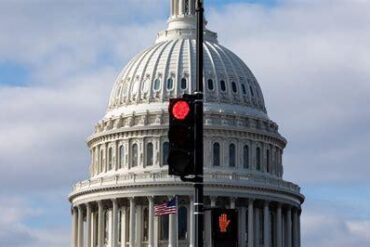
The push is not theoretical. A House Transportation and Infrastructure Committee panel backed the concept unanimously in December, signaling rare bipartisan agreement. Yet timing has complicated the effort. The shutdown began while the House was away, even as the Senate advanced a broader deal centered on Department of Homeland Security funding and immigration enforcement provisions. Airlines warn that even a short lapse can trigger consequences once paychecks are missed.
Lessons From the Last Shutdown Still Haunt the System
The most recent shutdown between October and November 2025 exposed how quickly operational stress can turn into systemic risk. Controllers continued reporting to work, but pay disruptions escalated rapidly. Partial paychecks were followed by zero-dollar paydays, forcing many workers to rely on credit or savings while still handling high-stakes safety responsibilities.
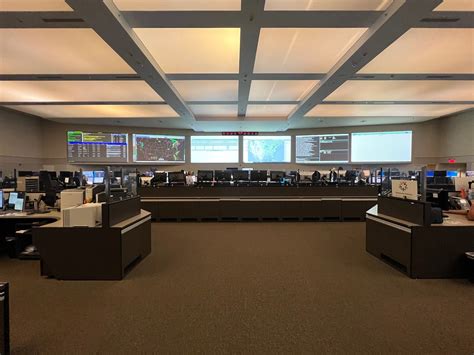
Fatigue accumulated as mandatory overtime persisted without compensation. Absences rose as some controllers used leave or called in sick, citing exhaustion and financial strain. Safety concerns forced the FAA and Department of Transportation to impose temporary capacity reductions of roughly ten percent at around forty of the nation’s busiest airports. Those restrictions rippled outward, disrupting schedules far beyond the initial airports involved.
Network Disruptions Multiply Faster Than Airlines Can Respond
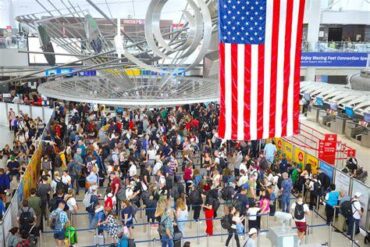
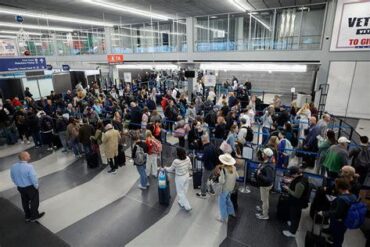
Once capacity cuts took hold, the impact spread quickly across the national network. Thousands of flights were delayed or canceled, affecting millions of travelers and straining airline recovery plans. The situation was worsened by a structural reality the industry has flagged for years: the FAA is already thousands of controllers short of its staffing targets. When a shutdown removes financial stability from an already thin workforce, the margin for error effectively disappears.
Airlines and airports attempted to mitigate the human cost by providing meals and support to unpaid workers at major hubs. Those gestures helped morale but could not solve the underlying problem. The system’s dependence on continuous controller availability means that even modest disruptions can trigger outsized operational consequences.
Why This Shutdown Raises Immediate Red Flags
Industry leaders stress that the current shutdown does not need to drag on for weeks to cause damage. The critical threshold is the first missed paycheck. Once that line is crossed, airlines expect the same playbook to return: targeted flow restrictions, reduced arrival rates, and mandated schedule cuts at major hubs. Each measure compounds the next, shrinking capacity while demand remains largely unchanged.
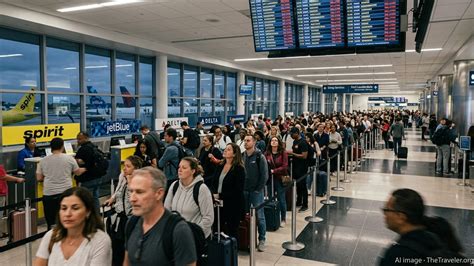
Protecting controller pay would remove the most predictable trigger for those absences. Airlines argue this is not about special treatment, but about preserving baseline safety and reliability in a system that underpins the national economy.
Pay Protection Is Necessary but Not Sufficient
While stabilizing pay during shutdowns is essential, it does not address deeper structural weaknesses. The FAA’s controller hiring and training pipeline remains slow, constrained by long certification timelines and limited training capacity. Modernization of air traffic management technology has also lagged, leaving the system heavily dependent on human endurance rather than automation and redundancy.
Congress faces a layered challenge. Short-term action could prevent immediate disruption by ensuring continuous pay for essential aviation workers. Longer-term reforms must confront staffing shortages and modernization delays, or future crises will continue to erupt whenever budget deadlines collide with political gridlock.
The aviation industry’s message is blunt. Air traffic control is not a lever that can be pulled without consequence. Each shutdown tests the system’s resilience, and each test leaves it a little weaker. Preventing another airspace meltdown now may be the simplest step lawmakers can take before the calendar, once again, becomes a safety hazard.