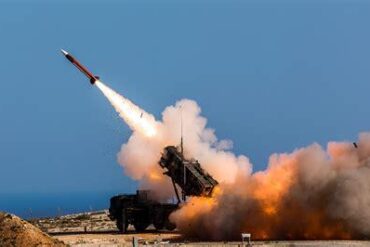
A ballistic missile launched from Iran toward the eastern Mediterranean flight corridor was intercepted by NATO air and missile defense systems on March 4, 2026, preventing the projectile from entering Turkish airspace and escalating an already tense regional security environment. The interception, confirmed by Türkiye’s Ministry of National Defense, occurred as geopolitical friction between Iran, the United States, and Israel continues to ripple across the Middle East, pushing NATO’s southern defensive perimeter into sharper focus.
The Turkish government stated that the missile was detected shortly after launch and tracked as it traveled across Iraqi and Syrian airspace before approaching the borders of southern Türkiye. NATO’s Integrated Air and Missile Defence (IAMD) network responded rapidly, neutralizing the threat over the eastern Mediterranean before it could threaten populated areas or military facilities. The event highlights the increasingly critical role of multinational missile defense coordination as ballistic missile technology spreads across volatile regions.
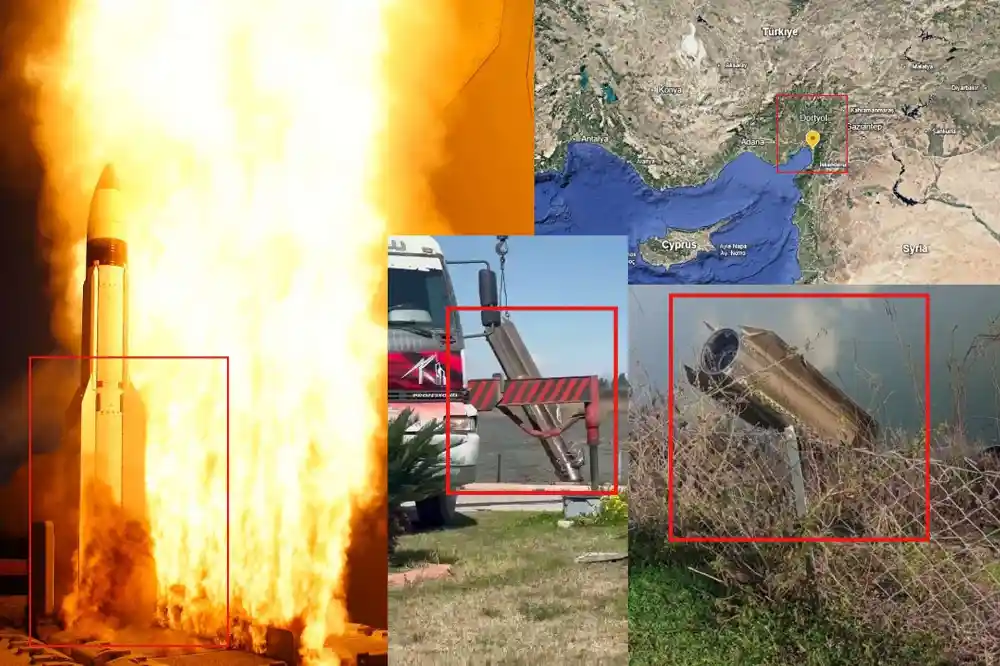
Fragments from the engagement fell in the Dörtyol district of Hatay province, a coastal region near the Syrian border that has long served as a strategic crossroads between Europe and the Middle East. Turkish gendarmerie quickly secured the debris site, confirming that the fragments belonged to the interceptor missile used to destroy the incoming threat rather than the Iranian projectile itself. Authorities also confirmed there were no casualties or injuries, underscoring the effectiveness of the defensive operation.
The announcement reinforced Ankara’s position that the country maintains maximum readiness to defend its territory and airspace. In its official communiqué, the Turkish Ministry of National Defense emphasized that every necessary measure would be taken to safeguard the nation’s borders and citizens. The statement also reaffirmed Türkiye’s commitment to working closely with NATO partners in maintaining regional stability.
Rising Regional Tensions Surround the Missile Launch
The missile interception unfolded against the backdrop of intensifying confrontation involving Iran, the United States, and Israel, a geopolitical triangle whose rivalries have repeatedly spilled into neighboring territories. Military exchanges, proxy conflicts, and strategic signaling have increased across the Middle East in recent months, drawing surrounding states into a complex security environment where miscalculation could quickly escalate into broader conflict.
The trajectory of the missile raised immediate questions among defense analysts. Turkish officials described the projectile as “directed toward Turkish airspace,” yet they deliberately avoided identifying a specific intended target. That ambiguity matters. A ballistic missile’s trajectory can reveal intent, but flight paths over politically sensitive regions may also reflect attempts to test defensive networks rather than strike a particular location.
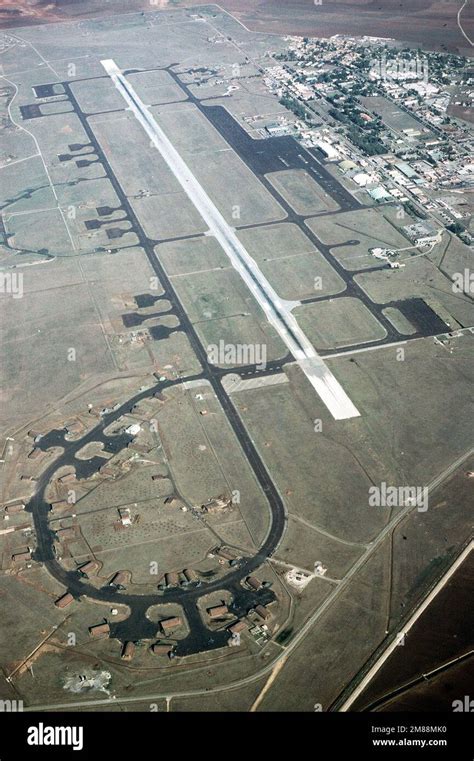
Hatay province sits within proximity of Incirlik Air Base, one of NATO’s most significant strategic facilities in the region. The base hosts Turkish and allied air assets and has historically served as a major logistical and operational hub for coalition missions across the Middle East. The proximity of falling interceptor debris to this region inevitably triggered speculation that the missile may have been probing defenses surrounding the base.
Another possibility considered by analysts involves the island of Cyprus, where British Sovereign Base Areas host important NATO-aligned infrastructure. Recent tensions in the region have included strikes and threats directed toward military installations across the eastern Mediterranean, suggesting that the missile’s path may have been linked to broader operational planning within the regional conflict environment.
At present, however, the precise intended target remains unconfirmed. Turkish authorities have carefully avoided assigning motive or destination to the missile, a diplomatic choice that leaves room for further investigation while preventing premature escalation in rhetoric.
NATO’s Integrated Missile Defense Network in Action
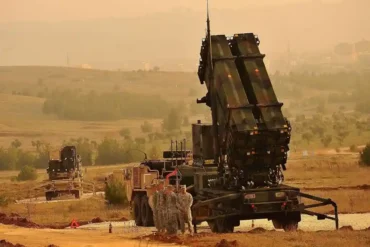
The successful interception demonstrated the operational strength of NATO’s layered missile defense architecture, a complex system designed to detect, track, and destroy ballistic threats before they reach allied territory. Unlike traditional air defense, which targets aircraft and cruise missiles within the atmosphere, ballistic missile defense must intercept projectiles traveling at extreme speeds through space during their midcourse phase.
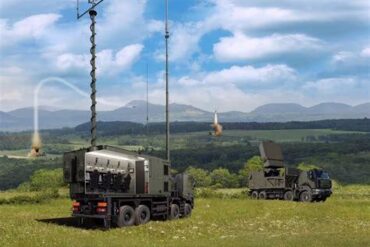
Within NATO, this capability relies heavily on the European Phased Adaptive Approach (EPAA) developed by the United States. The EPAA integrates several types of sensors and interceptors across multiple countries and naval platforms. Radar installations, satellite tracking, and advanced command networks work together to create a real-time picture of missile launches across vast geographic distances.
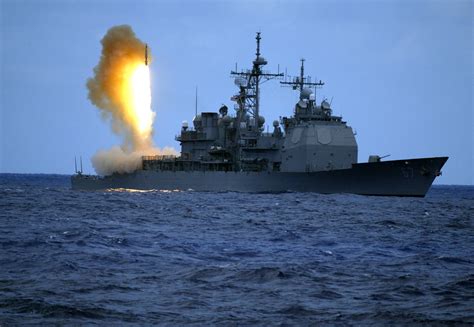
Naval assets play an especially important role in this architecture. Warships equipped with the Aegis Ballistic Missile Defense system patrol strategic waters and provide mobile interception capabilities. These vessels carry specialized interceptors capable of engaging ballistic missiles outside the Earth’s atmosphere, a method known as exo-atmospheric interception.
Official statements referenced “NATO air and missile defense units stationed in the eastern Mediterranean Sea,” wording that strongly suggests the interception was conducted by a naval platform rather than land-based batteries within Türkiye itself. Geography supports this interpretation. Warships positioned in the eastern Mediterranean can provide mid-course interception coverage for ballistic missiles traveling from Iran toward southern Türkiye.
This naval flexibility forms a cornerstone of NATO’s strategy. Warships can reposition quickly, closing coverage gaps or reinforcing vulnerable regions without requiring permanent installations on land. In crisis situations, such mobility can significantly improve the alliance’s response time.
Evidence Points Toward the SM-3 Interceptor
Although no government has officially identified the interceptor used in the engagement, open-source analysis of debris recovered in Hatay province offers intriguing clues. Photographs circulating online appear to show fragments consistent with components from the RIM-161 Standard Missile-3 (SM-3) interceptor family.
The SM-3 is a highly specialized weapon designed to destroy ballistic missiles during the midcourse phase of flight. Unlike traditional missiles that detonate near their targets, the SM-3 employs a kinetic kill vehicle, essentially a high-speed impactor that collides with the incoming warhead at tremendous velocity. The concept is often described as “hitting a bullet with another bullet,” an analogy that captures the extraordinary precision required.
Key debris fragments reportedly resemble parts of the Mk-104 dual-thrust rocket motor, a propulsion component used in several SM-3 variants. This system provides the missile with the acceleration necessary to reach targets hundreds of kilometers above the Earth.
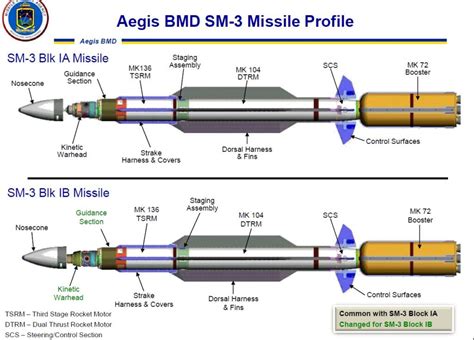
If confirmed, the use of an SM-3 interceptor would fit neatly with NATO’s established missile defense strategy. These missiles are standard armament aboard Aegis-equipped destroyers and cruisers, and they are also deployed at land-based Aegis Ashore facilities in Romania and Poland. Their proven ability to intercept short- and intermediate-range ballistic missiles makes them a logical choice for engagements involving Iranian missile technology.
Still, analysts remain cautious. Without official confirmation from NATO, the United States, or Türkiye, the identification remains an informed technical assessment rather than a verified fact.
Strategic Importance of Türkiye in NATO Missile Defense
Türkiye occupies a uniquely strategic position within NATO’s security architecture. Sitting at the intersection of Europe, the Middle East, and the Black Sea region, the country forms a natural forward line for monitoring missile activity originating in the Middle East.
Ballistic missile trajectories from Iran toward southeastern Europe often pass near or over Turkish territory. As a result, the country plays a dual role in NATO’s defensive system. It acts both as a frontline state exposed to potential missile threats and as a critical sensor node that helps track launches across the region.
Radar installations and command infrastructure in or near Türkiye contribute valuable early warning data to the broader NATO network. This information can cue interceptors located hundreds of kilometers away, allowing defensive systems to engage threats long before they approach populated areas.
The March 4 interception illustrates how this cooperative system functions in practice. Sensors detect the launch, tracking networks predict the trajectory, and interceptor platforms — whether on land or at sea — move to neutralize the threat.
Strategic Signaling Across the Eastern Mediterranean
Beyond the technical achievement of intercepting a ballistic missile, the event carries significant political implications. By successfully neutralizing the projectile, NATO demonstrated that allied territory remains protected by a coordinated defensive shield, even amid escalating regional tensions.
Such interceptions send a powerful signal to potential adversaries. Missile launches intended as demonstrations of power or intimidation can quickly lose their strategic impact when defenses prove capable of neutralizing them.
At the same time, the controlled tone of official statements reflects a careful balancing act. Türkiye and NATO have emphasized defensive readiness without assigning definitive blame or escalating rhetoric beyond the facts of the interception.
In an environment where military incidents can rapidly spiral into broader conflict, that restraint matters.
The episode ultimately highlights the evolving reality of modern security in the eastern Mediterranean. Ballistic missile technology continues to spread, geopolitical rivalries remain intense, and strategic geography places certain countries directly along potential flight paths. Against that backdrop, integrated missile defense systems have become one of the most important safeguards against sudden escalation, transforming complex webs of radar, satellites, ships, and interceptors into a protective shield over allied territory.