Gliders, also known as sailplanes, represent one of the most fascinating and technically sophisticated forms of aviation. These unpowered aircraft are designed for efficient gliding using natural air currents, offering an experience that is as exhilarating as it is challenging. Through the use of aerodynamics and a profound understanding of flight dynamics, glider pilots can soar for hours, covering vast distances with minimal loss of altitude. In this article, we will explore the design, history, and modern advancements in gliders, and their role in the world of aviation and competitive sports.
What is a Glider?
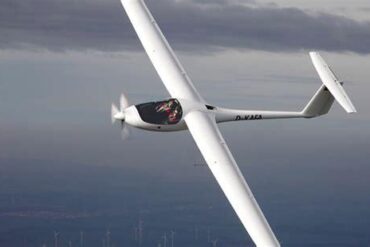
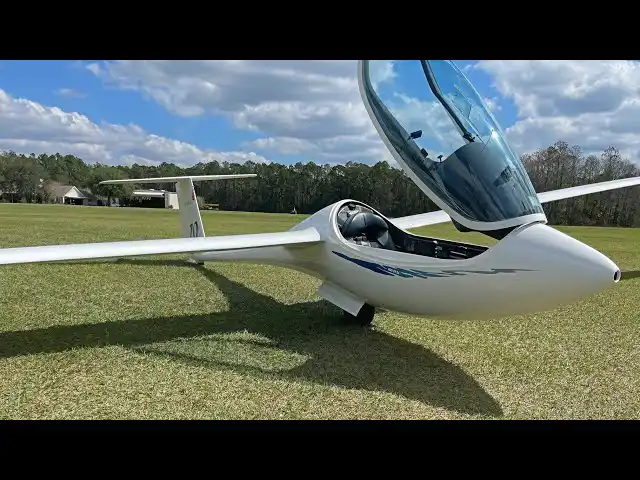
A glider, or sailplane, is an unpowered aircraft that relies entirely on the natural forces of the atmosphere to stay aloft. Unlike traditional airplanes, which use engines to generate lift and thrust, gliders capitalize on air currents to maintain or even increase altitude. These sleek, aerodynamic aircraft feature smooth, narrow fuselages and long, thin wings that provide exceptional lift-to-drag ratios. Modern gliders can glide for hundreds of kilometers without losing significant height, an achievement made possible by continuous advancements in design, materials, and aerodynamics.
The Aerodynamics Behind Gliders
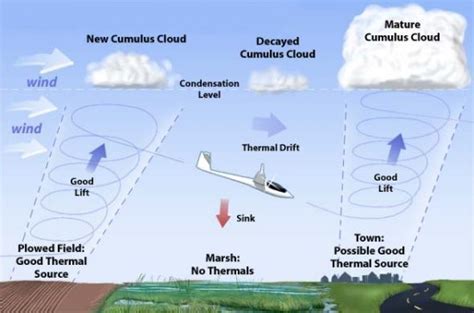
The core principle behind gliding is the ability to use rising air currents, known as thermals, ridge lift, and other natural air movements, to maintain or gain altitude. When a glider encounters these air currents, it can soar for long periods, often at speeds that match or exceed that of powered aircraft. The long, slender wings of the glider are essential to this ability, as they maximize the glider’s glide ratio, which is a measure of how far the aircraft can travel horizontally for each meter of altitude lost.
The aerodynamic efficiency of gliders has drastically improved over the years. Early gliders, which lacked the ability to soar effectively, were towed into the air by powered aircraft or winches. In contrast, modern sailplanes achieve impressive glide ratios of 50:1 or higher, meaning that for every meter they descend, they can travel 50 meters horizontally. This incredible efficiency is due to the careful design of the wings and fuselage, as well as the use of lightweight materials like fiberglass and carbon fiber, which reduce weight while maintaining structural integrity.
Types of Gliders and Their Uses
There are several different types of gliders, each designed for specific purposes, including competition flying, cross-country soaring, and aerobatics. The primary differences between these gliders lie in their design features, such as wing shape, size, and overall weight. Here are some of the most common types:
- Competition Gliders: These gliders are designed to perform at the highest levels in cross-country racing and soaring competitions. They are built for maximum glide efficiency and are equipped with advanced instruments like variometers and GPS systems to help pilots navigate and optimize their performance.
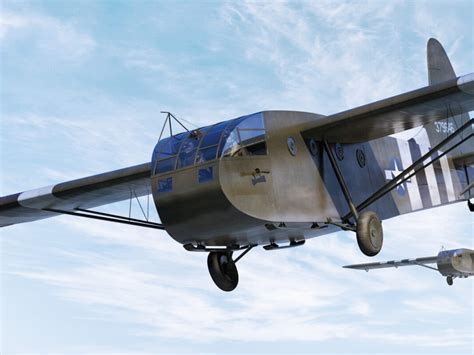
- Aerobatic Gliders: These gliders are engineered for aerobatic flight, offering excellent maneuverability and the ability to perform complex aerobatic maneuvers. They are typically more robust than competition gliders and can withstand higher G-forces.
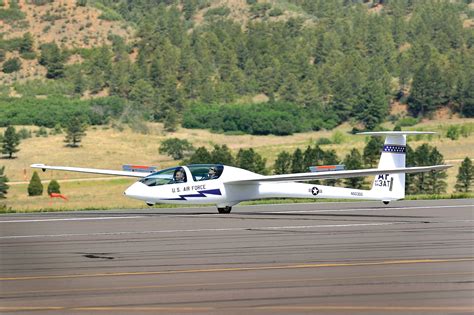
- Training Gliders: Training gliders are generally easier to fly, with simpler controls and more forgiving handling characteristics. They are often used for beginner pilots or flight schools.
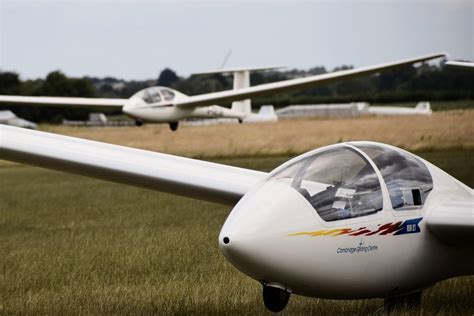
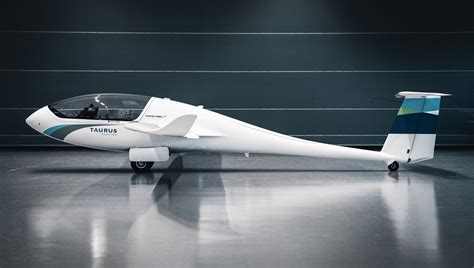
- Self-Launching Gliders: Unlike most gliders, which require external towing to get airborne, self-launching gliders are equipped with small engines that allow them to take off on their own. Once airborne, the engine can be shut off to allow the glider to soar.
The Launching and Flying Process
Gliders are typically launched in one of three ways: aerotowing, winch launching, or self-launching. Each method has its benefits and is used in different conditions.
- Aerotowing: In this method, the glider is attached to a powered aircraft, which tows it into the air. Once the glider reaches a sufficient altitude, the tow rope is released, and the glider begins its soaring journey.
- Winch Launching: This technique uses a ground-based winch to rapidly pull the glider into the air. Winch launching is commonly used at smaller airfields where aerotowing may not be feasible.
- Self-Launching: As mentioned, self-launching gliders are equipped with engines that allow them to take off independently. These gliders offer pilots the flexibility to launch from a variety of locations and don’t rely on external towing or winching.
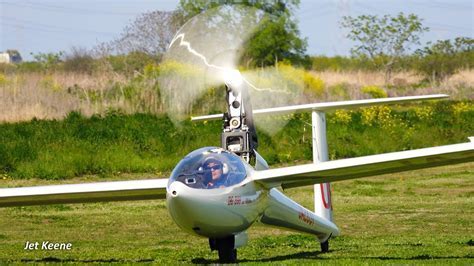
Once airborne, the pilot’s skill in finding and utilizing natural air currents is key to staying aloft. Thermals, which are rising columns of warm air, are particularly valuable for maintaining or gaining altitude. Glider pilots use specialized instruments, such as variometers, which measure the rate of climb or descent, to locate these thermals. Additionally, ridge lift—caused by winds that flow over mountains or hills—can also be used to gain altitude.
Technological Advancements in Gliders
Modern gliders have benefited immensely from advancements in both materials and aerodynamics. The widespread use of composite materials like carbon fiber and fiberglass has made gliders lighter and stronger, allowing them to achieve better performance while reducing maintenance needs.
Furthermore, the design of gliders has evolved to optimize aerodynamic efficiency. Advances in wing technology, including the development of highly swept-back and winglets, have significantly improved glide ratios and stability during flight. The incorporation of advanced flight instruments, such as GPS, airspeed indicators, and altimeters, has made flying safer and more precise.
One particularly notable development is the integration of water ballast in competition gliders. Pilots can add water to certain areas of the aircraft to increase its weight, which allows it to perform better in specific flying conditions. Once the optimal altitude is reached, the ballast can be jettisoned to reduce the glider’s weight and improve performance.
Gliders in Competitive Soaring
Competitive soaring is one of the most challenging and exciting aspects of glider flying. In soaring competitions, pilots race across vast distances, navigating through various checkpoints, while striving to maintain altitude using natural lift. Success in these competitions depends on a combination of skill, strategy, and understanding of the weather.
The most prestigious soaring competitions, such as the Fédération Aéronautique Internationale (FAI) World Gliding Championships, attract top pilots from around the globe. These competitions often involve long cross-country flights, where pilots must manage their gliders’ performance over hundreds of kilometers. The objective is to optimize the glide ratio, using thermals, ridge lifts, and weather patterns to make strategic decisions that will allow them to cover the greatest distance.
Gliders vs. Other Aircraft
While gliders share similarities with other unpowered aircraft, such as hang gliders and paragliders, there are key differences that set them apart. Unlike hang gliders and paragliders, which are launched from hills or towed into the air and flown by shifting body weight, gliders have fixed wings and require a wheeled undercarriage for takeoff and landing. Additionally, gliders are typically larger and can cover much greater distances compared to other unpowered aircraft.
The Future of Gliders
The future of gliders looks promising, with ongoing research into more efficient materials, better performance, and more sustainable technologies. Electric-powered gliders are becoming a growing area of interest, as the industry seeks to reduce the environmental impact of aviation. These gliders are equipped with small electric engines that can assist with takeoff and provide power during flight, offering a greener alternative to traditional soaring techniques.
In addition to technological advancements, gliders will continue to play a central role in aerobatic flight and competitive soaring. With each year, the capabilities of gliders improve, making them even more impressive and appealing to aviation enthusiasts worldwide.
In conclusion, gliders are a testament to the power of natural forces and human innovation. Whether used for leisure, sport, or competition, they offer a thrilling and environmentally conscious way to explore the skies. As technology continues to evolve, the future of gliding promises to be even more exciting, with new developments in design, materials, and sustainability shaping the next generation of sailplanes.