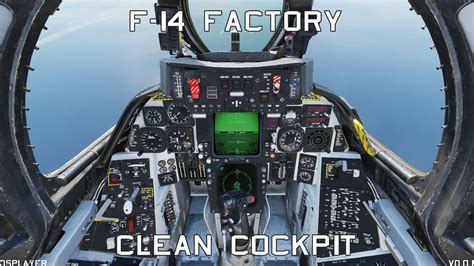
The Grumman F-14 Tomcat remains one of the most iconic carrier-based fighter aircraft in history, known for its superior air combat capabilities, advanced avionics, and formidable weapons systems. At the heart of this aircraft’s operational efficiency lies its cockpit, designed with a meticulous blend of ergonomics, tactical requirements, and technological advancements. This article delves deep into the F-14 cockpit’s structure, layout, instrumentation, and the human-machine interaction that made it a formidable force in naval aviation.
Dual-Seat Configuration and Crew Roles
One of the defining features of the F-14 cockpit is its tandem-seating configuration, with two crew members performing distinct roles:
- Pilot (Front Seat): The pilot is responsible for controlling the aircraft, engaging in close-range dogfights, and launching missiles.
- Radar Intercept Officer (RIO) (Rear Seat): The RIO manages radar operations, electronic countermeasures, and long-range weapons systems, including the powerful AN/AWG-9 radar and AIM-54 Phoenix missiles.
This division of labor was particularly crucial before the advent of advanced data-link systems and automated threat tracking, enabling the F-14 to track up to 24 targets simultaneously and engage six of them at once.
Cockpit Canopy and Visibility
The F-14 cockpit canopy plays a crucial role in enhancing situational awareness and survivability. It features:
- Bubble Canopy Design: Provides 360-degree visibility, which is critical for air combat maneuvers (ACM) and situational awareness.
- Frameless Forward Glass: The 31.75mm-thick windscreen offers superior frontal protection against debris and enemy fire.
- Hinged Rear Canopy: The RIO’s canopy opens via a rearward hinge, facilitating rapid ejection and maintenance access.
Ejection System and Crew Safety
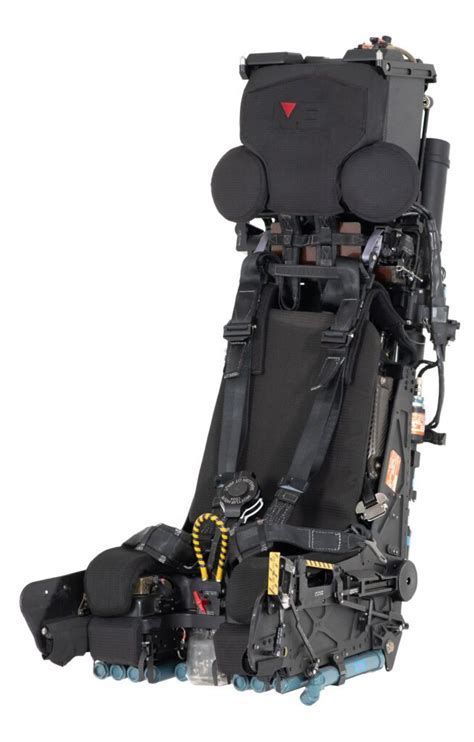
To ensure crew survival, the F-14 is equipped with Martin-Baker GRU-7A ejection seats, later upgraded to MKl4 models. The RIO ejects first (0.4-second delay) to prevent canopy obstruction, followed by the pilot. The seats feature:
- Zero-Zero Ejection Capability: Allows safe ejection at zero altitude and zero airspeed.
- Rocket-Boosted Extraction: Ensures crew clearance from the aircraft in high-speed scenarios.
- Automatic Parachute Deployment: Enhances survival chances even in low-altitude emergencies.
Instrumentation and Control Systems
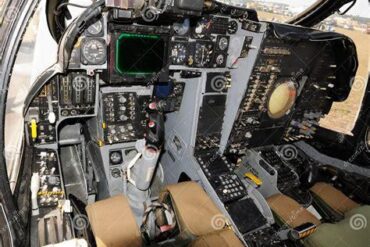
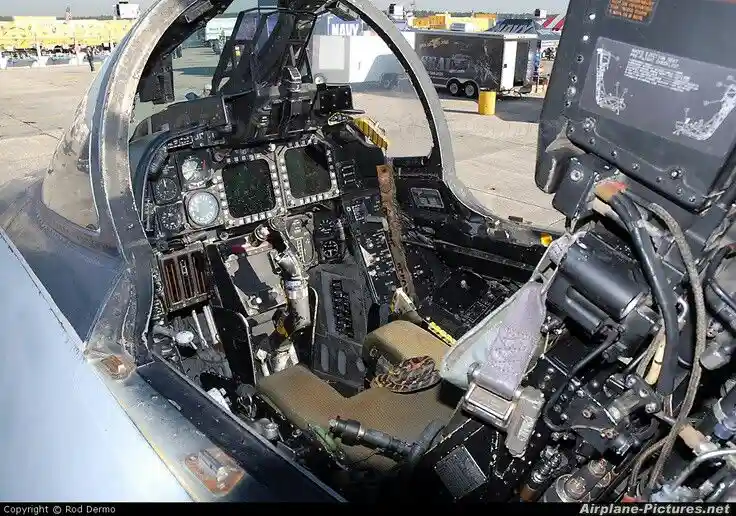
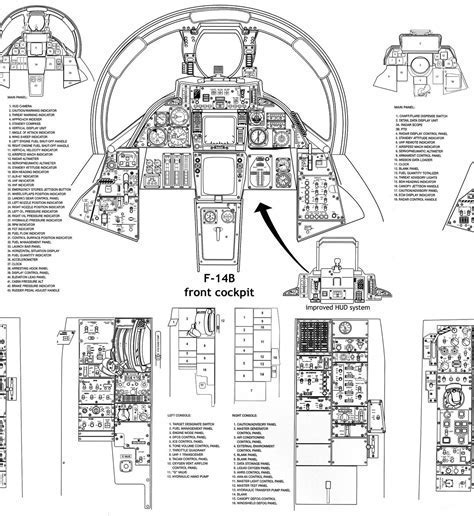
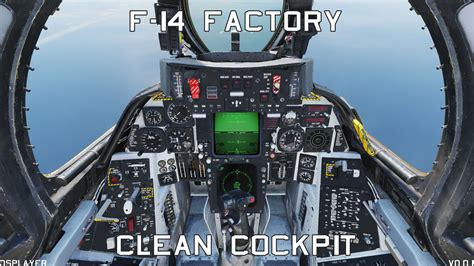
The F-14 cockpit houses a mix of analog and early digital avionics, balancing reliability with combat effectiveness.
Front Cockpit (Pilot’s Station)
- Head-Up Display (HUD): Projects flight and targeting data directly in the pilot’s line of sight.
- Combat Maneuvering Panel: Provides real-time feedback on turn rates and energy states.
- Mechanical & Digital Hybrid Controls: Includes stick and throttle controls, as well as variable-sweep wing adjustments.
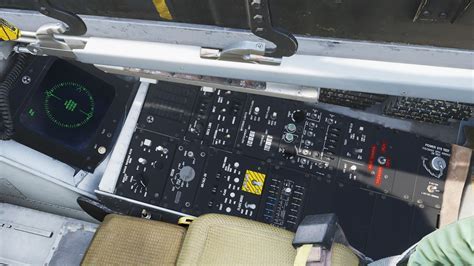
Rear Cockpit (Radar Intercept Officer’s Station)
- AN/AWG-9 Radar Display: Offers long-range tracking and threat engagement capabilities.
- Electronic Warfare Console: Manages jamming countermeasures and threat detection.
- Missile Targeting Panel: Controls AIM-54 Phoenix, AIM-7 Sparrow, and AIM-9 Sidewinder deployment.
Flight Control and Variable-Sweep Wing Integration
The F-14’s unique variable-sweep wing design required a hybrid control system:
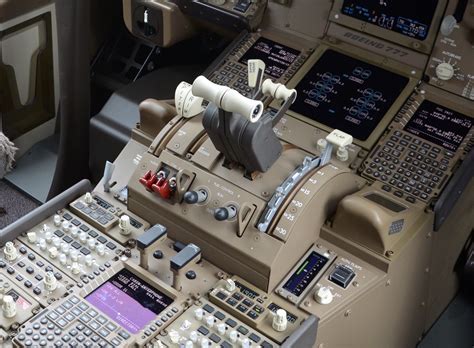
- Manual Wing Sweep Lever: Allows the pilot to adjust wing sweep angles from 20° to 68° for optimized performance.
- Automatic Flight Control System (AFCS): Adjusts wings dynamically based on airspeed and maneuvering demands.
- Mechanical Backup Controls: Ensures flight stability in case of electronic failures.
Ergonomics and Combat Readiness
The cockpit was designed with long-duration missions and combat efficiency in mind:
- Pressure and Temperature Regulation: A pressurized cabin and air conditioning system ensure pilot endurance at high altitudes.
- Night Vision and Low-Light Compatibility: Instrument backlighting uses red illumination to preserve night vision.
- Quick Maintenance Access: The modular layout allows for rapid radar and avionics servicing, essential for carrier operations.
F-14 Cockpit in Simulation and Modern Adaptations
The F-14 cockpit experience has been faithfully recreated in various flight simulators, offering aviation enthusiasts an opportunity to explore its complexity.
- DCS: F-14 Module: Provides a fully interactive, clickable cockpit with authentic switch functionality and flight physics.
- Cockpit Mods: Enthusiasts can adjust panel textures, lighting, and wear effects to match real-world operational conditions.
Conclusion
The F-14 cockpit remains a testament to advanced aviation engineering, blending combat efficiency, crew coordination, and cutting-edge technology. Its tandem-seat configuration, superior visibility, modular avionics, and variable-sweep wing integration ensured that the Tomcat excelled in both air superiority and fleet defense roles. Even after retirement, the F-14 cockpit continues to captivate aviation enthusiasts and military historians alike.
Frequently Asked Questions
1. What made the F-14 cockpit unique compared to other fighter jets?
The F-14 cockpit featured a tandem-seat design, where the pilot and RIO had clearly defined roles. Its bubble canopy, hybrid flight controls, and long-range radar systems set it apart from contemporary fighters.
2. How did the F-14’s variable-sweep wings impact cockpit controls?
Pilots could manually adjust wing sweep using a dedicated lever, or rely on automatic controls that optimized wing positioning for combat or cruising speeds.
3. Were there any major upgrades to the F-14 cockpit over its service life?
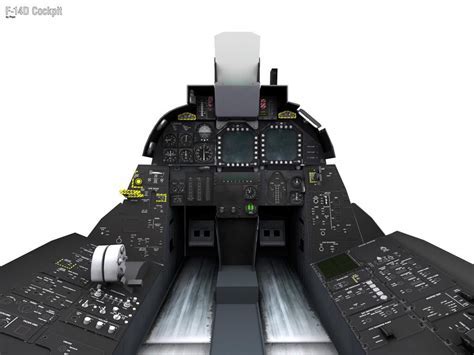
Yes. The F-14D introduced glass cockpit displays, upgraded avionics, and digital fly-by-wire enhancements, replacing some analog instruments for improved efficiency.
The F-14 cockpit exemplifies a perfect balance between technological innovation and tactical functionality, solidifying its place in aviation history as one of the most effective naval fighter jet cockpits ever designed.