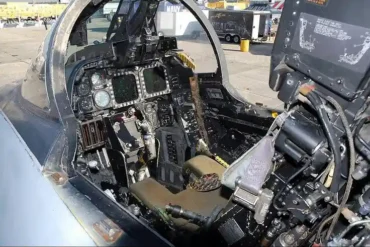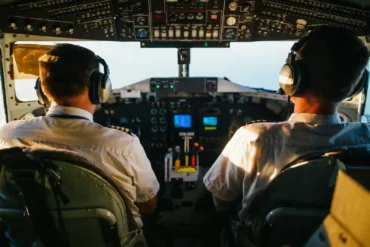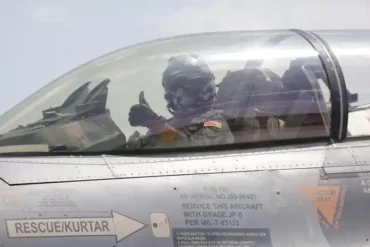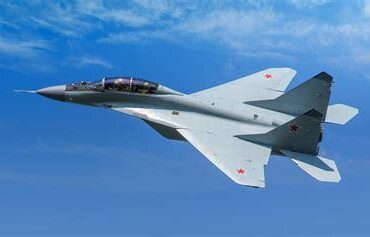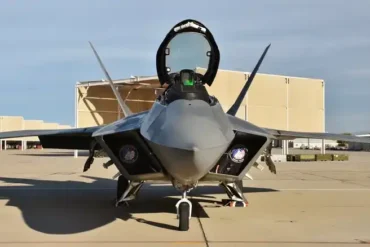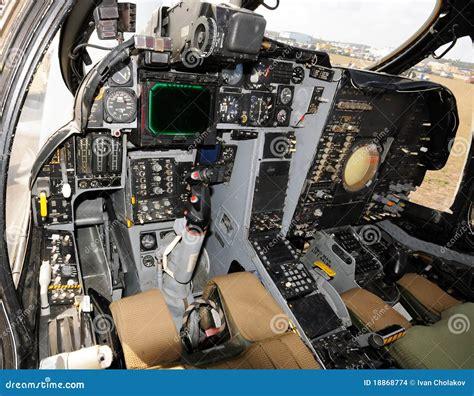
Modern military aviation is synonymous with speed, precision, and raw power — but behind the sleek aerodynamic designs and cutting-edge avionics lies a brutal reality: fighter jet cockpits are deafening environments. For pilots, controlling these supersonic machines isn’t just about skill and nerve; it’s also about enduring relentless, high-decibel noise that can threaten both health and performance.
The source of this overwhelming noise is straightforward yet formidable: jet engines. On takeoff, especially when afterburners ignite, fighter jets unleash a staggering 140 to 153 decibels (dB) of sound. To put that in perspective, prolonged exposure to noise above 85 dB is known to cause hearing damage, while 140 dB is enough to rupture eardrums at close range.
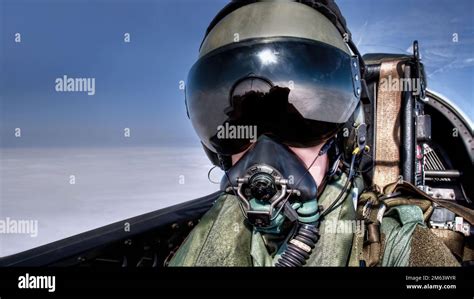
But how loud is it inside the cockpit itself, where pilots spend hours under stress and intense sensory conditions? Studies reveal that noise levels within a fighter jet cockpit typically range between 95 to 110 dB — levels comparable to standing next to a jackhammer or attending a rock concert. The consequences extend beyond mere discomfort.
The Overwhelming Noise Sources Inside Fighter Jet Cockpits
Contrary to what many assume, cockpit noise isn’t solely from the roaring engines. The interior of a fighter jet is a symphony of disruptive sounds stemming from several critical components:
- Jet Engines: The primary culprit, producing low-frequency rumbles and high-frequency shrieks.
- Environmental Conditioning Systems: These systems, essential for temperature control and pressurization at high altitudes, emit constant mechanical noise.
- Communication Systems: Radios and headsets introduce additional audio feedback and static.
- External Environmental Noise: Airflow turbulence and aerodynamic drag generate persistent noise outside the aircraft, which penetrates the cockpit.
The design of fighter jets prioritizes aerodynamics, speed, and combat efficiency over interior comfort, meaning noise insulation is limited by necessity. With speeds exceeding Mach 2 in aircraft like the F-22 Raptor or the Eurofighter Typhoon, pilots endure a barrage of sound that tests both their mental focus and physical endurance.
The Lasting Impact of Cockpit Noise on Pilot Health
The dangers of cockpit noise are not speculative. Scientific research over decades has confirmed that exposure to elevated noise levels in fighter jets can severely affect a pilot’s health and performance.
In 2023, a landmark study published in the Journal of the Korean Society for Aviation and Aeronautics highlighted the multi-dimensional risks of cockpit noise. Researchers documented numerous physiological and psychological consequences experienced by pilots:
- Ear Discomfort and Hearing Damage: Many pilots report persistent ringing (tinnitus), diminished hearing sensitivity, and even ear ruptures.
- Cognitive Impairment: The constant noise impairs memory retention, increases fatigue, and elevates error rates.
- Psychological Stress: Chronic noise exposure contributes to heightened anxiety, stress levels, and mental exhaustion.
The 2023 findings align with an earlier 1998 study archived by the National Library of Medicine, where 56% of surveyed fighter pilots showed signs of high-frequency hearing loss — a clear testament to the dangers of cockpit acoustics.
Moreover, these auditory risks extend beyond hearing loss. The degradation of sensory perception, delayed reaction times, and increased stress levels directly jeopardize aviation safety, making noise not just a health issue but a tactical vulnerability.
How Fighter Jet Pilots Protect Themselves from Extreme Noise
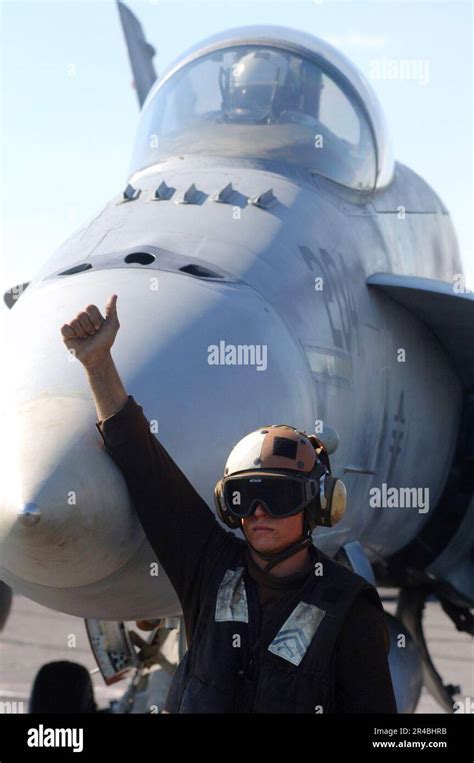
Mitigating the harsh auditory environment inside a fighter jet requires a combination of cutting-edge technology and practical protective measures. Pilots rely primarily on two defense mechanisms:
Passive Noise Cancellation (PNC)
PNC involves conventional physical barriers designed to absorb or block out noise. This includes:
- Earmuffs and Earplugs: These traditional tools reduce noise levels by approximately 15 to 35 dB, depending on the materials and fit.
- Helmet Padding: Integrated acoustic insulation within flight helmets dampens both internal and external noise.
PNC is particularly effective at filtering out medium to high-frequency sounds, but it struggles with the low-frequency rumble that dominates jet cockpits.
Active Noise Cancellation (ANC)
ANC technology takes noise reduction a step further by using electronic systems to generate soundwaves that counteract incoming noise:
- Opposing Soundwaves: Built-in microphones detect ambient noise, and speakers emit inverse waves to neutralize the sound.
- Low-Frequency Effectiveness: ANC excels at mitigating the persistent low-frequency sounds that PNC cannot fully address.
In practice, ANC-equipped fighter pilot helmets can provide an additional 10 to 15 dB of noise reduction, significantly improving comfort and situational awareness.
However, despite these technological advances, many modern fighter jet helmets still lack ANC integration due to design constraints. Helmet shapes must balance aerodynamics, oxygen mask integration, communications systems, and pilot mobility — leaving limited room for sophisticated ANC hardware.
The Future of Noise Mitigation in Military Aviation
As aerospace engineers push the boundaries of performance with next-generation jets like the F-35 Lightning II, cockpit noise remains a persistent engineering challenge. Efforts to improve pilot protection focus on combining PNC and ANC technologies to offer comprehensive auditory defense without compromising mission readiness.
- Hybrid Helmets: New designs aim to incorporate both passive and active noise control seamlessly.
- Advanced Materials: Lightweight composites and acoustic foams are being tested to enhance noise absorption without adding weight.
- Smart Sound Environments: Future cockpits may feature real-time adaptive sound management to adjust noise filtering based on flight conditions.
These innovations are critical not only for safeguarding pilot health but also for sustaining peak cognitive and sensory performance during high-stakes missions.
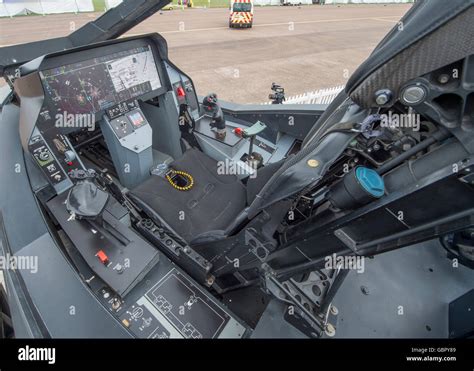
Enduring the Sonic Battlefield
Inside the cockpit of a fighter jet, every mission is a confrontation with extreme forces — not only from speed, gravity, and enemy fire but also from sound itself. Pilots operate in an environment where decibel levels far exceed safe human exposure, and the psychological and physiological effects of constant noise are well-documented.
Decades of research confirm the inescapable truth: fighter jet cockpits are brutally loud, and no amount of training or conditioning can fully shield pilots from the acoustic onslaught. As militaries invest in more advanced aircraft and extend mission durations, addressing cockpit noise is more than a health concern — it’s a matter of operational effectiveness and flight safety.
Through the integration of hybrid helmets, next-generation ANC systems, and smarter cockpit designs, the future of military aviation may finally provide pilots with the protection they deserve against one of the battlefield’s most insidious enemies: sound.