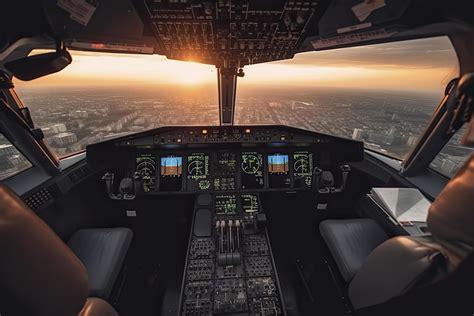
Commercial aviation has created one of the strangest illusions in modern transportation. Passengers board a massive aircraft in Singapore, London, Los Angeles, or Dubai, settle into their seats, watch a movie marathon at 38,000 feet, and land on another continent half a day later believing the aircraft practically flew itself. The smoothness of modern long-haul flying makes it easy to assume pilots become little more than supervisors once the autopilot is engaged.
That assumption could not be further from reality.
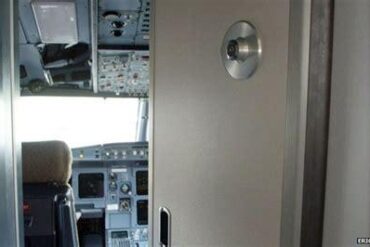
A modern airliner may be capable of holding altitude, following programmed navigation routes, and adjusting thrust automatically, but the cockpit of a long-haul flight remains an intensely active workplace. During a 14-hour journey across oceans, deserts, mountain ranges, and multiple air traffic regions, pilots continuously manage systems, analyze weather, monitor fuel performance, coordinate with controllers, evaluate emergencies, and prepare backup plans for situations passengers never even realize existed.
Automation changed airline flying forever, but it did not eliminate the pilot’s role. It transformed pilots into high-level operational managers responsible for supervising one of the most technologically advanced machines ever built.
For airline crews operating aircraft like the Boeing 777, Airbus A350, Boeing 787 Dreamliner, or Airbus A380, cruise flight is not downtime. It is a constant exercise in vigilance.
Autopilot Does Not “Fly Alone”
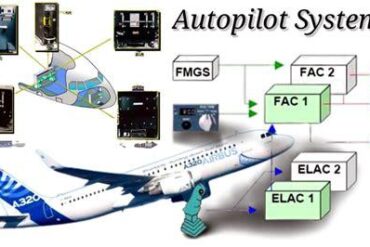
The word “autopilot” creates a misleading mental image. Many passengers imagine a self-aware system independently making decisions while pilots relax in the cockpit. In reality, autopilot is essentially a highly sophisticated control tool that follows instructions programmed and monitored by humans.
Modern autopilot systems can maintain altitude within incredibly tight tolerances, track navigation routes with remarkable precision, and optimize climb or descent profiles. But they only execute commands entered into the aircraft’s flight management system. Pilots remain responsible for verifying every instruction, monitoring aircraft behavior, and correcting errors before they escalate into serious problems.
A transpacific or transatlantic flight involves thousands of individual variables. Wind shifts can alter fuel burn rates dramatically. Turbulence may require altitude changes. Thunderstorms can force reroutes spanning hundreds of miles. Navigation systems require constant cross-checking. Air traffic restrictions may suddenly close previously planned routes.
The autopilot cannot independently evaluate the broader operational picture.
That responsibility stays firmly inside the cockpit.
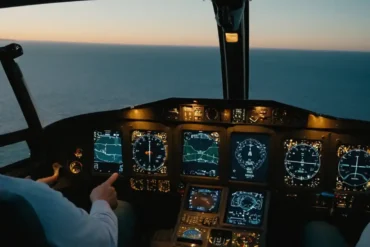
Pilots spend much of cruise flight scanning instruments in carefully practiced patterns. Engine temperatures, oil pressures, electrical loads, hydraulic systems, cabin pressurization, fuel balance, navigation accuracy, and flight control computers are continuously monitored for abnormalities. Even minor deviations can become early warning signs of larger technical problems.
Long-haul flying resembles managing a mobile operations center more than simply steering an airplane.
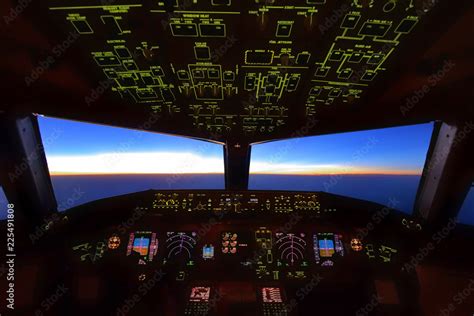
Fuel Management Becomes a Constant Mathematical Exercise
Fuel monitoring is one of the most important tasks during ultra-long-haul operations. Widebody aircraft departing on intercontinental routes can carry more than 220,000 pounds of fuel, yet pilots still monitor consumption obsessively throughout the flight.
That level of attention exists because fuel planning is never static.
Every flight begins with highly detailed fuel calculations accounting for aircraft weight, routing, weather forecasts, alternate airports, holding reserves, and contingency margins. But conditions change constantly once airborne. Stronger-than-expected headwinds across the Pacific can dramatically increase fuel burn. Unexpected reroutes around storms may add hundreds of extra miles. Turbulence avoidance can require less efficient altitudes.
Pilots regularly compare actual fuel burn against predicted values generated before departure. If numbers begin drifting outside acceptable margins, crews start evaluating solutions early rather than waiting until the situation becomes urgent.
Sometimes that means requesting a more fuel-efficient altitude. Other times it involves adjusting speed profiles or considering alternate destinations if weather deteriorates at the planned arrival airport.
Fuel temperature introduces another layer of complexity rarely understood outside aviation circles. At cruising altitudes above 35,000 feet, outside air temperatures can plunge below minus 60 degrees Celsius. Over long periods, especially on polar routes, jet fuel itself begins cooling toward critical thresholds.
Jet fuel contains components that can form wax crystals if temperatures approach freezing limits. Restricted fuel flow can create dangerous engine performance problems. Pilots therefore monitor fuel temperature continuously during long-haul cruise, particularly on ultra-cold routes over Siberia, northern Canada, or the Arctic.
If temperatures trend too low, crews may descend into warmer air, increase speed slightly to generate aerodynamic heating, or alter routing entirely.
Passengers sleeping peacefully in the cabin rarely realize the cockpit crew may be carefully managing microscopic temperature margins inside thousands of gallons of fuel.
Oceanic Flying Requires Precision Without Radar
Flying over continents is relatively straightforward compared to crossing oceans.
Over land, air traffic controllers usually track aircraft continuously using radar surveillance. Over remote oceanic regions, however, radar coverage often disappears completely. Aircraft instead operate under procedural control systems where safe separation depends heavily on accurate navigation and communication.
That dramatically increases pilot workload.
Crossing the North Atlantic Track System or remote Pacific routes requires precise waypoint monitoring because aircraft may be separated vertically by only 1,000 feet and longitudinally by mere minutes. A navigation error of even a few miles can create serious conflicts.
Pilots therefore cross-check GPS systems, inertial reference platforms, and flight management computers constantly throughout oceanic crossings.
Historically, crews communicated using high-frequency radio transmissions capable of bouncing off the ionosphere across enormous distances. HF radio remains infamous among pilots for its static-filled audio quality that often sounds like a ghostly mix of distorted voices and electrical interference.
Modern aircraft increasingly rely on satellite-based communication systems such as CPDLC, which allows pilots and controllers to exchange digital text instructions. ADS-C technology can automatically transmit aircraft position data via satellite links.
Even with improved systems, long-haul crews still spend significant time managing communications with multiple international control regions. A single ultra-long-haul flight may coordinate with controllers across half a dozen countries or more.
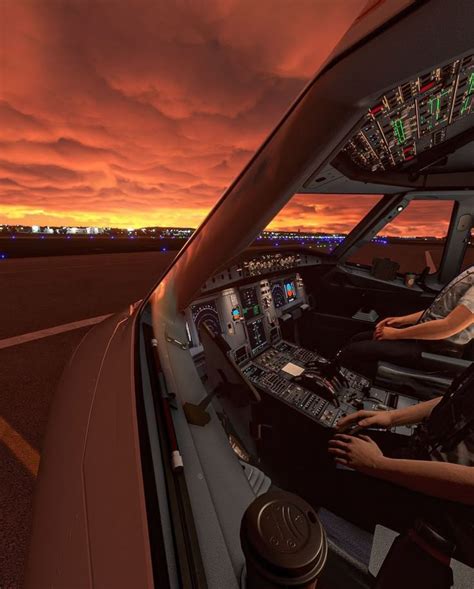
Weather Monitoring Never Ends at Cruise Altitude
One of the most dangerous myths about aviation is the idea that cruise flight becomes easy once an aircraft reaches altitude.
Weather can transform a routine long-haul journey into a constantly evolving tactical challenge.
Thunderstorms remain among aviation’s greatest hazards because they contain severe turbulence, hail, lightning, icing, and violent vertical air movements. Modern weather radar helps pilots identify storm structures ahead, but interpreting radar imagery still requires considerable experience.
Not all dangerous weather is visible on radar either.
Clear-air turbulence is particularly problematic because it often develops without visible cloud formations. Aircraft can encounter severe turbulence in apparently calm skies with little warning. Pilots rely heavily on reports from aircraft ahead along the same route to identify rough air zones before entering them.
That explains why seatbelt signs often illuminate long before passengers feel turbulence. Pilots may already know conditions several hundred miles ahead from pilot reports transmitted through air traffic networks.
Weather also shapes fuel strategy and flight efficiency. Jet streams can either help or punish long-haul operations dramatically. Strong eastbound tailwinds may shorten transatlantic flights by hours, while westbound headwinds can increase flying time significantly.
Pilots constantly evaluate whether different altitudes offer more favorable wind conditions. A climb of just a few thousand feet can sometimes save substantial fuel over the course of a 14-hour journey.
Volcanic ash creates another serious concern. Jet engines ingesting volcanic particles can suffer catastrophic damage, forcing pilots to monitor volcanic advisories carefully on routes near geologically active regions.
Passengers may notice only minor course adjustments on cabin displays. Inside the cockpit, crews are continuously analyzing atmospheric conditions hundreds of miles ahead.
Pilots Rotate Through Carefully Controlled Rest Periods
The idea of pilots sleeping during flight often alarms passengers unfamiliar with long-haul aviation procedures. In reality, controlled crew rest is one of the industry’s most important safety protections.
Fatigue is considered a major operational risk in aviation. Monitoring automation for extended periods can reduce alertness and slow reaction times, particularly during overnight circadian low points when the human body naturally expects sleep.
Airlines therefore use augmented crews on ultra-long-haul routes.
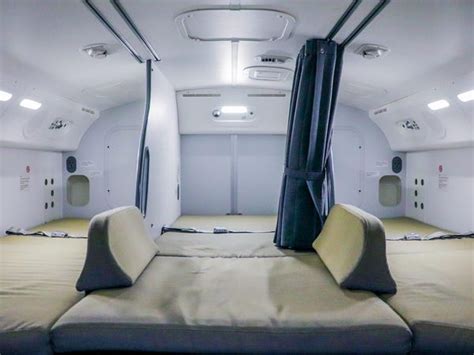
A flight lasting 14 to 16 hours may carry three or four pilots instead of the standard two. While two pilots remain actively operating the aircraft, additional crew members rotate through scheduled rest periods in dedicated crew rest compartments.
These hidden areas are invisible to most passengers. On aircraft such as the Boeing 787 or Airbus A380, crew rest facilities may sit above the passenger cabin or below the main deck. They typically contain bunk beds, ventilation systems, oxygen supplies, seatbelt restraints, and communication links to the cockpit.
The environment resembles a compact sleeping capsule hidden inside the aircraft’s structure.
Rest schedules are carefully planned around circadian science, workload distribution, and regulatory limits. Airlines increasingly use biomathematical fatigue models to predict alertness levels during long-haul operations.
Even resting pilots remain immediately available if conditions deteriorate. Significant turbulence, technical malfunctions, medical emergencies, or weather deviations can trigger instant recalls to the cockpit.
Long-haul crew management has become so scientifically refined that airlines now design schedules around human sleep biology nearly as carefully as aircraft performance.
Emergency Planning Happens Constantly Even on Calm Flights
A smooth flight does not mean the cockpit is relaxed.
Long-haul pilots spend enormous amounts of time planning for emergencies that hopefully never occur.
At nearly every stage of flight, crews evaluate alternate airports capable of handling the aircraft if something goes wrong. Weather conditions, runway availability, emergency services, political restrictions, and fuel requirements are constantly reassessed.
This becomes especially critical during ETOPS operations.
ETOPS — Extended-range Twin-engine Operational Performance Standards — governs how far twin-engine aircraft may fly from suitable diversion airports. Modern aircraft like the Boeing 787 and Airbus A350 can operate several hours away from alternates on a single engine, but crews must continuously verify that diversion airports remain viable.
A remote airport suitable three hours earlier may suddenly become unavailable because of deteriorating weather, runway closures, or equipment failures.
Medical emergencies add another layer of complexity. A passenger suffering a stroke, cardiac arrest, or severe allergic reaction may force crews to evaluate diversions involving enormous logistical and operational consequences.
Diverting a large international aircraft can cost airlines hundreds of thousands of dollars once fuel dumping, maintenance support, passenger reaccommodation, crew legality issues, and airport handling fees are considered.
None of those financial considerations outweigh safety.
If diversion becomes necessary, pilots coordinate with dispatchers, medical advisors, cabin crews, and air traffic control simultaneously while still flying the aircraft and managing fuel calculations.
Technical malfunctions create equally demanding decision-making processes. Even relatively minor system failures can significantly affect operations over remote areas. A malfunctioning navigation system, cargo fire warning, or pressurization issue may trigger extensive rerouting or precautionary diversions hours before landing.
Passengers may continue watching movies completely unaware that multiple contingency scenarios are being evaluated in real time up front.
Modern Pilots Manage Automation More Than They “Hand Fly”
The romantic image of pilots gripping control columns for entire intercontinental flights belongs largely to aviation history.
Modern airline pilots are system managers as much as aviators.
Automation has dramatically improved precision, fuel efficiency, and safety. Maintaining RVSM altitude tolerances manually for 14 straight hours would be exhausting and far less accurate than modern autopilot systems. Advanced automation allows aircraft to fly highly optimized routes with extraordinary consistency.
But automation introduced entirely new dangers.
One of the biggest modern aviation concerns is “mode confusion,” where pilots misunderstand which automation mode the aircraft is currently following. Several major accidents have involved crews incorrectly interpreting autopilot behavior during abnormal situations.
That is why modern pilots train extensively not only in manual flying skills but also in automation management.
Crews constantly verify autopilot modes, monitor system logic, and remain prepared to disconnect automation instantly if aircraft behavior becomes unexpected. Airline training increasingly emphasizes understanding how automated systems make decisions internally rather than merely knowing which buttons to press.
Paradoxically, the more advanced aircraft become, the more critical human judgment grows.
Automation excels at repetitive precision tasks. Humans remain far better at handling ambiguity, prioritizing competing risks, interpreting incomplete information, and adapting creatively during abnormal situations.
That balance defines modern airline flying.
The Cockpit Never Truly “Turns Off” During Long-Haul Flight
To passengers, a 14-hour flight can feel uneventful. Cabin lights dim, engines hum steadily, movies play endlessly, and the aircraft seems frozen in stable cruise across the night sky.
Inside the cockpit, however, the environment remains dynamic from departure to landing.
Pilots continuously evaluate fuel efficiency, monitor aircraft systems, coordinate communications, study weather developments, review alternates, prepare emergency scenarios, and supervise sophisticated automation that still requires constant human oversight.
The autopilot may physically control the aircraft for much of the journey, but it does not replace the pilots operating it.
Long-haul airline crews function as strategists, systems managers, meteorologists, navigators, communicators, and emergency planners simultaneously while guiding hundreds of passengers safely across oceans and continents.
Modern aviation automation made flying safer and more efficient than ever before. It did not make pilots unnecessary.
If anything, it made their role even more intellectually demanding.