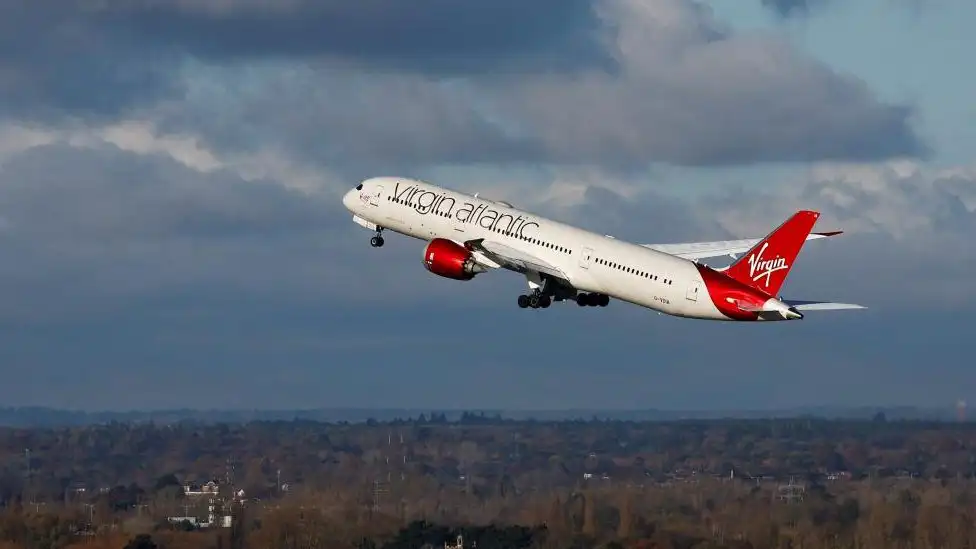
Transatlantic flights are among the longest and most complex routine operations in commercial aviation. To passengers, the journey often appears uneventful once the aircraft reaches cruising altitude. The cabin lights dim, meal services begin, and the flight seems to settle into hours of quiet stability above the Atlantic Ocean. From the outside, it can easily appear as though the pilots simply activate the autopilot and wait until it is time to land.
The reality inside the cockpit is dramatically different.
Modern autopilot systems are remarkably sophisticated, but they are not replacements for professional flight crews. Instead, they function as highly capable tools that reduce the physical workload of flying while allowing pilots to focus on monitoring, planning, communication, decision-making, and safety management. During a transatlantic crossing, pilots remain continuously engaged, overseeing thousands of systems and preparing for events that may never occur but must always be anticipated.
The cruise phase of flight is not a period of inactivity. It is a carefully managed operation where vigilance, situational awareness, and strategic thinking are essential to maintaining safety across thousands of miles of ocean and airspace.
Understanding What Autopilot Actually Does
Before examining the responsibilities of pilots during cruise flight, it is important to understand what autopilot is designed to accomplish.
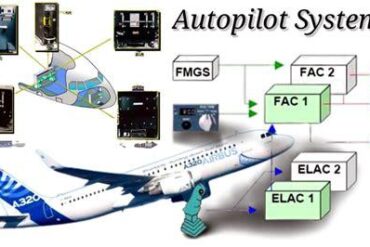
An aircraft’s autopilot system can maintain altitude, follow navigation routes, control speed, manage climbs and descents, and assist with various flight management tasks. On long-haul aircraft such as the Boeing 777, Boeing 787, Airbus A350, or Airbus A330, autopilot is integrated with advanced flight management computers that continuously process navigation and performance data.
Despite its impressive capabilities, autopilot is fundamentally a follower rather than a decision-maker. The system executes instructions entered by pilots and follows predefined parameters. It cannot independently assess broader operational circumstances, evaluate risks, negotiate with air traffic control, or determine the best response to unusual situations.
Every action performed by the automation is ultimately supervised by the pilots.
The autopilot may be flying the airplane, but the pilots are managing the entire operation.
Constant Monitoring: The Most Important Task in the Cockpit
One of the most critical responsibilities during a transatlantic crossing is continuous monitoring.
Professional pilots are trained from the earliest stages of flight instruction to develop disciplined scanning techniques. This habit remains essential regardless of aircraft size or level of automation.
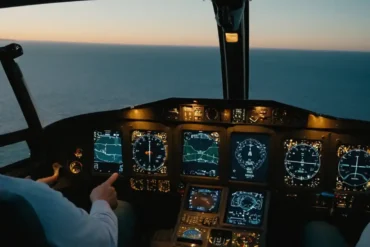
The flight crew constantly scans primary flight displays, navigation displays, engine instruments, fuel indicators, pressurization systems, electrical systems, hydraulic systems, and numerous other operational parameters. Every piece of information contributes to an overall picture of the aircraft’s health and performance.
Rather than staring at a single display, pilots continuously move their attention across multiple instruments, verifying that all systems are behaving as expected.
A minor deviation in fuel consumption, a subtle navigation discrepancy, or an unexpected systems message could indicate the beginning of a larger issue. Detecting abnormalities early allows crews to address potential problems before they become serious operational concerns.
Monitoring also involves ensuring that the autopilot itself is performing correctly. Automation errors are rare, but pilots never assume that the system is infallible. Every course change, altitude adjustment, and navigation update is verified by the crew.
In aviation, trust is always accompanied by verification.
Why Pilots Continue Looking Outside the Aircraft
Passengers often imagine pilots spending cruise flight staring exclusively at computer screens. In reality, visual observation remains an important component of cockpit operations.
Even at cruising altitudes exceeding 35,000 feet, pilots regularly scan the sky ahead and around the aircraft. This visual awareness helps confirm instrument indications and provides an additional layer of safety.
Cloud formations can reveal areas of turbulence before instruments indicate significant disturbances. Weather systems may appear visually different from forecast models. Aircraft operating nearby can sometimes be observed before electronic traffic systems highlight them.
Visual scanning also helps maintain situational awareness, particularly during transitions between weather conditions, sunrise and sunset periods, and operations near busy air corridors.
Human perception remains an important complement to sophisticated technology.
Managing Communications Across the Atlantic
One responsibility that automation cannot perform is communication.
Throughout a transatlantic journey, pilots maintain regular contact with multiple air traffic control agencies. As the aircraft progresses across different sectors and regions, responsibility for monitoring and controlling the flight passes between various controllers.
These handoffs require pilots to establish contact with new frequencies, acknowledge clearances, confirm routing instructions, and provide mandatory position reports when required.
Communication becomes particularly important over oceanic airspace.
Unlike heavily radar-covered regions, large portions of the Atlantic have historically relied on procedural separation methods. Although satellite-based surveillance technologies have significantly improved coverage in recent years, pilots still play an essential role in reporting positions and ensuring compliance with assigned tracks.
Each communication contributes to the safe coordination of hundreds of aircraft crossing the ocean simultaneously.
Monitoring Fuel Consumption and Aircraft Performance
Fuel management is one of the most important tasks performed during long-haul operations.
Before departure, dispatchers and pilots calculate expected fuel burn based on aircraft weight, weather forecasts, winds aloft, route structure, and alternate airport requirements. However, actual conditions can differ from predictions.
As the flight progresses, pilots compare actual fuel consumption against planned figures. They analyze trends and determine whether the aircraft is performing within expected parameters.
A stronger-than-forecast headwind, unexpected route deviations, or prolonged turbulence can affect fuel efficiency. Early recognition allows crews to evaluate options and maintain comfortable safety margins.
Fuel monitoring is not merely about tracking remaining quantities. It is an ongoing analysis of how the aircraft is performing relative to expectations and how changing conditions may influence future decisions.
Making Strategic Decisions in Real Time
One of the greatest limitations of automation is the inability to make strategic judgments.
Every transatlantic flight operates within a dynamic environment. Weather patterns evolve, air traffic conditions change, airport operations fluctuate, and geopolitical events can affect available airspace.
Pilots continuously evaluate information from multiple sources throughout the flight.
If severe turbulence develops along the planned route, the crew may request an altitude change. If thunderstorms intensify ahead, they may coordinate deviations around dangerous weather. If operational conditions deteriorate at the destination airport, they may begin assessing alternate airports long before arrival.
These decisions require judgment, experience, risk assessment, and coordination with controllers and airline operations centers.
No autopilot system possesses the contextual awareness necessary to make such choices independently.
Preparing for Emergencies That May Never Happen
A significant portion of cockpit activity involves preparation rather than reaction.
Professional pilots constantly think ahead.
Even when everything is functioning perfectly, crews review procedures for potential contingencies. They consider what actions would be required if an engine malfunction occurred, if weather worsened unexpectedly, or if a diversion became necessary.
This continuous mental preparation ensures that responses remain rapid and organized if a situation develops.
The aviation industry often describes this approach as staying ahead of the aircraft. Rather than reacting after an event occurs, pilots strive to anticipate possibilities before they arise.
That mindset is one of the defining characteristics of effective airline operations.
Handling Weather and Turbulence Avoidance
Weather management remains one of the most demanding responsibilities during long-haul flights.
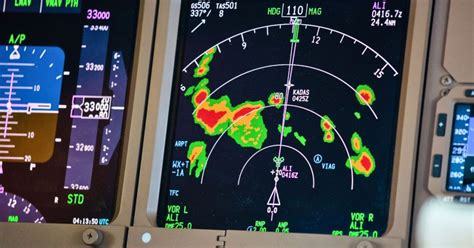
Advanced weather radar systems provide pilots with valuable information, but interpreting that data requires experience and judgment. Not all weather cells pose equal risks, and different storm structures require different avoidance strategies.
Pilots evaluate radar returns, forecast products, reports from other aircraft, and operational guidance from airline dispatch teams.
When turbulence reports emerge along a route, crews may request alternative altitudes or revised track assignments. These adjustments can improve passenger comfort, reduce structural stress on the aircraft, and enhance operational efficiency.
The process involves continuous assessment rather than a single decision.
Weather is constantly changing, and flight crews must adapt accordingly.
The Digital Paperwork That Never Stops
Even at 38,000 feet above the ocean, administrative responsibilities continue.
Modern airlines have largely transitioned from traditional paper records to electronic systems, but documentation remains a crucial part of flight operations.
Pilots record operational information, note system messages, document unusual events, verify fuel figures, and update electronic flight logs throughout the journey.
These records provide valuable information for maintenance teams, airline operations personnel, safety investigators, and training departments.
A minor anomaly observed during cruise may later help engineers identify developing technical issues. Likewise, operational data can support future route planning and performance analysis.
Accurate documentation contributes directly to the industry’s safety culture.
Continuous Planning for Arrival
Although a transatlantic flight may still have several hours remaining, pilots begin preparing for arrival long before descent begins.
Destination weather conditions are reviewed repeatedly. Runway assignments are monitored. Air traffic delays are assessed. Alternative airport options are evaluated if necessary.
Pilots calculate landing performance requirements based on aircraft weight, weather conditions, runway conditions, and expected braking performance.
Arrival briefings are conducted to ensure both pilots understand the planned approach, potential threats, and contingency procedures.
By the time passengers hear the announcement that descent will begin shortly, the crew has often been preparing for arrival for several hours.
Do Pilots Get Any Rest During Long Flights?
One of the most misunderstood aspects of long-haul operations is pilot rest.
Fatigue management is a critical safety consideration, particularly on overnight transatlantic flights that cross multiple time zones.
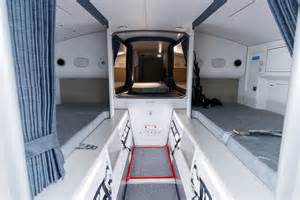
On flights with augmented crews, airlines assign additional pilots so that cockpit duties can be shared. While one team remains on duty, another rests in dedicated crew rest facilities located away from passengers.
These crew bunks are designed specifically to provide restorative sleep during long missions.
Rest periods are carefully regulated and structured according to airline procedures and aviation authority requirements. The objective is to ensure that pilots remain alert during critical phases of flight.
Even during rest rotations, sufficient qualified crew members remain on the flight deck to manage the aircraft safely.
On shorter transatlantic sectors without augmented crews, pilots may utilize controlled rest procedures under strict operational guidelines, allowing brief rest periods while maintaining continuous cockpit supervision.
The Human Element Behind Every Ocean Crossing
The smoothness of a transatlantic flight often creates the illusion that modern airliners practically fly themselves. In reality, the opposite is true.
Automation has transformed aviation by reducing manual workload and improving precision, but it has also elevated the importance of pilot oversight. Today’s airline pilots function less as operators of flight controls and more as managers of highly sophisticated systems, strategic decision-makers, risk assessors, and safety professionals.
Throughout a transatlantic crossing, they monitor aircraft systems, evaluate weather developments, manage communications, track fuel performance, prepare for contingencies, coordinate with controllers, complete operational documentation, and continuously plan for the next phase of flight.
The autopilot may handle the mechanics of maintaining altitude and following a route, but the responsibility for every decision, every adjustment, and every outcome remains firmly in human hands.
That quiet professionalism is largely invisible to passengers seated behind the cockpit door. Yet it is precisely this constant vigilance that allows millions of travelers to cross the Atlantic safely every year, often without ever realizing how much work is still taking place long after the autopilot has taken over.