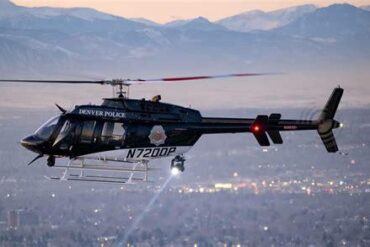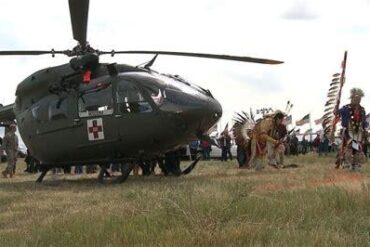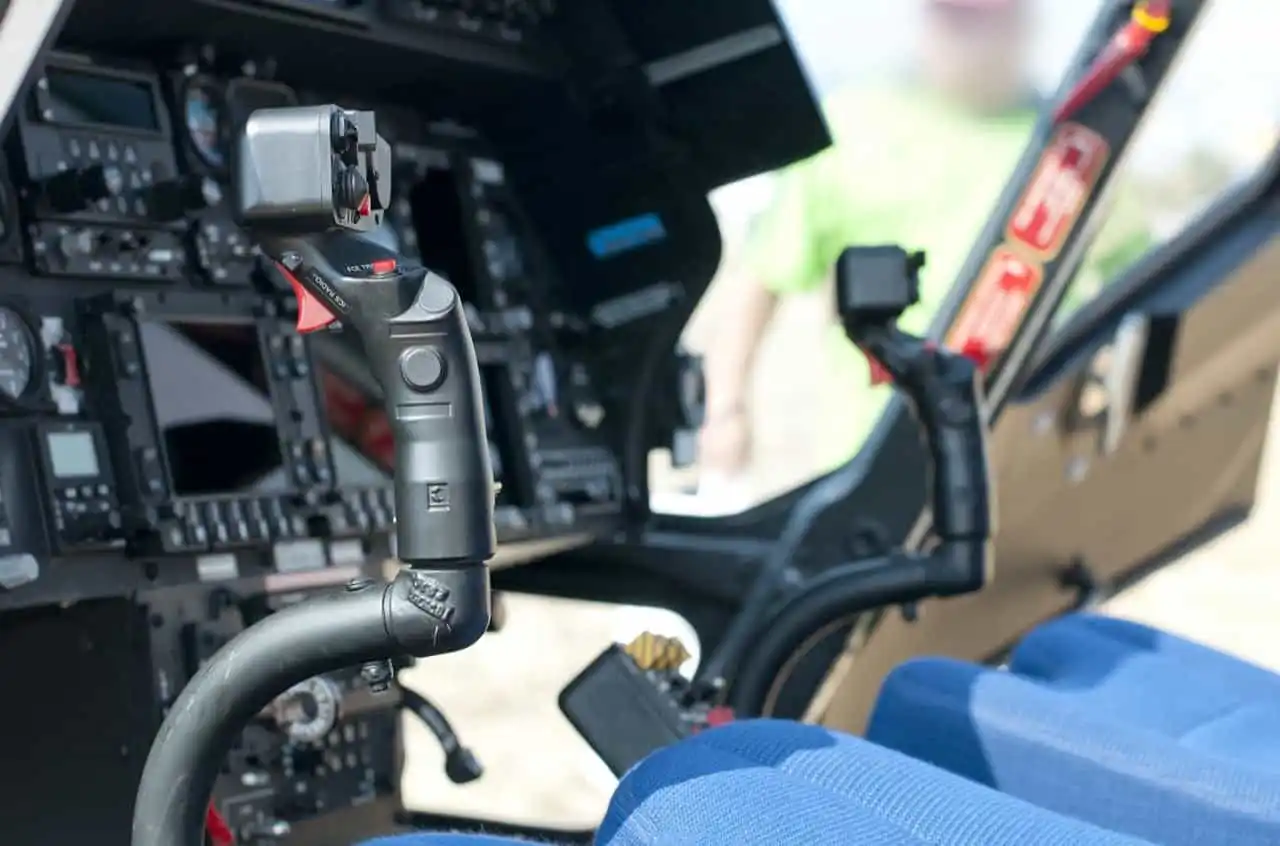
When most people hear the term autopilot, the first image that often comes to mind is that of a smooth commercial flight with pilots enjoying their coffee while the aircraft flies itself. The concept of autopilot in helicopters may seem less intuitive, as helicopters involve more intricate control dynamics and pilot involvement. However, helicopters do have autopilot systems. Unlike commercial airliners, these systems aren’t fully autonomous but rather serve as advanced tools designed to assist the pilot, enhancing the flying experience and reducing their workload.
The Function of Autopilot in Helicopters
Autopilot in helicopters serves as an aid to pilots rather than a complete substitute for manual control. While a traditional autopilot in commercial airplanes can manage entire flights, including taking off, cruising, and landing, the autopilot in helicopters works in a much more supportive role. The primary purpose of helicopter autopilot is to help stabilize the aircraft, make small corrections in its flight path, and assist with altitude and heading maintenance.
Helicopters, unlike airplanes, are controlled through a combination of cyclic, collective, and anti-torque pedals, all of which require constant input from the pilot to maintain stable flight. Autopilot systems reduce the burden of constant manual adjustments, especially during long flights or complex operations.
How Does Helicopter Autopilot Work?
Autopilot systems in helicopters are highly sophisticated, composed of several interconnected components that work together to reduce pilot workload. The central piece of this system is the flight director (FD), which takes input from various sensors to calculate the helicopter’s altitude, heading, and airspeed. Based on this data, the flight director sends commands to the helicopter’s control systems to maintain the desired flight path.
One common form of autopilot system in helicopters is the Automatic Flight Control System (AFCS). This system uses digital flight control units that adjust inputs in real time, helping to stabilize the helicopter during flight. Some systems even use stability augmentation systems (SAS) to make real-time corrections, such as mitigating the effects of wind gusts.
At its simplest, a helicopter autopilot may only control basic movements like yaw (side-to-side movement), pitch (forward or backward tilt), and roll (lateral tilt). However, more advanced systems can manage all three axes of flight—roll, pitch, and yaw—allowing the helicopter to perform maneuvers like auto-hover.
Types of Helicopter Autopilot Systems
Helicopter autopilot systems come in various configurations, offering different levels of control. Here’s a breakdown of some common types:
- Yaw Damper Systems: These are simple autopilot systems that reduce fishtailing or side-to-side movement in the helicopter, which can be especially helpful in windy conditions.
- Stability Augmentation Systems (SAS): SAS systems make real-time adjustments to the helicopter’s movements, correcting for disturbances such as wind gusts or turbulence. These systems are not fully autonomous, but they help smooth out the flight.
- Three-Axis Systems: These systems control all three axes of helicopter flight (pitch, roll, and yaw). They assist pilots by stabilizing the helicopter and reducing the need for constant corrections, particularly in high-stress situations.
- Auto-Hover: Some advanced autopilot systems allow the helicopter to maintain a stable hover without constant pilot input. This is particularly valuable in missions such as search and rescue or military operations, where precise control is necessary.
- Integrated Flight Control Systems: Modern helicopters, such as those produced by Airbus, incorporate complex flight control systems that integrate autopilot, stability systems, and safety features to provide pilots with greater assistance and operational efficiency.
The Role of Helicopter Autopilot in Military Operations
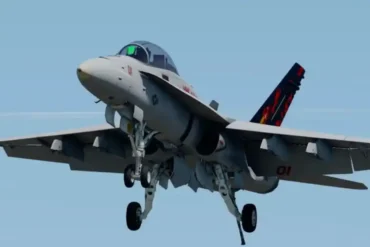
Helicopter autopilot systems have found significant utility in military operations. Given the high-stakes nature of many helicopter missions, including search and rescue, special forces insertions, and combat support, autopilot systems are crucial in easing pilot workload and allowing them to focus on other critical tasks. Military helicopters often operate in challenging environments, where every second counts and precision is paramount.
Advanced autopilot systems help military pilots maintain stable flight while simultaneously enabling them to focus on other elements such as coordinating with ground crews, monitoring radios, and adjusting to battlefield conditions. For instance, attack helicopters may use autopilot systems to stabilize the craft while pilots concentrate on targeting or weapons control.
Airbus: Leading the Way in Helicopter Autopilot Innovation
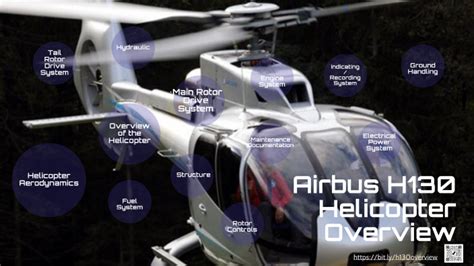
One company at the forefront of helicopter autopilot development is Airbus. Their H130 model is equipped with an advanced 3-axis autopilot system, providing the pilot with assistance from takeoff to landing. This system incorporates several critical components, including the ability to hover in tight spaces and cruise over long distances.
A key feature of the H130’s system is its automated safety net, which prevents the pilot from accidentally pushing the helicopter past its operational limits. This is particularly crucial during missions where safety is of utmost importance, such as medical evacuations or high-risk extractions.
What sets the H130’s autopilot system apart is its focus on human engagement rather than full autonomy. Airbus has worked to create an autopilot system that reduces the stress and workload on pilots, enabling them to stay focused on high-priority tasks while ensuring they remain in complete control of the aircraft at all times.
Future of Autopilot in Helicopters
While the current state of helicopter autopilot technology is already highly advanced, the future promises even more improvements. As helicopter manufacturers continue to explore automation, we can expect to see systems that are even more intuitive, capable of performing a wider range of tasks, and offering increased safety and efficiency.
Autopilot technology is already pushing the boundaries with advanced safety features and automation, and it’s likely that in the coming years, helicopters will see further strides toward autonomous flight. However, it’s important to note that full autonomy in helicopters will likely take longer to implement than in airplanes due to the dynamic and often unpredictable nature of helicopter flight.
Conclusion
In conclusion, helicopters do have autopilot systems, and these systems play a vital role in enhancing pilot efficiency and safety. While the technology is not as fully automated as that in commercial airplanes, it provides significant support during complex operations and long flights. From basic stability augmentation to advanced 3-axis flight control systems, the role of autopilot in helicopters is evolving rapidly, with companies like Airbus pushing the boundaries of what’s possible.
As autopilot technology continues to improve, it will not only ease the physical demands of flying but also improve overall mission safety and effectiveness, ensuring that pilots can focus on what matters most—getting their passengers or crew to their destination safely and efficiently.