At the beginning of the 21st century, stepping onto a long-haul aircraft meant entering a cabin environment that had changed little since the late 1970s. Seats reclined modestly, entertainment options were limited, and connectivity with the outside world disappeared the moment the aircraft door closed. What passengers experienced was essentially a slightly modernized version of air travel from decades earlier.
Over the past twenty-five years, however, airline cabins have undergone a profound transformation. Driven by fierce competition among global carriers, breakthroughs in aircraft materials, and rapidly evolving passenger expectations, the interior of modern aircraft has become a sophisticated blend of ergonomics, digital technology, and luxury design. Today’s aircraft cabins function not simply as transportation spaces but as interconnected ecosystems designed to maximize comfort, productivity, and rest—even at 35,000 feet.
The story of how airline cabins evolved since 2000 is one of innovation shaped by economics, engineering, and human biology. From the introduction of fully flat beds to the rise of premium economy, from advanced air filtration systems to immersive digital entertainment, every aspect of the passenger journey has been reconsidered and redesigned.
The Moment Airline Comfort Changed Forever
The modern transformation of airline cabins can be traced to a pivotal moment in the year 2000 when British Airways introduced the world’s first fully flat business class bed. Prior to this breakthrough, business class travelers were typically offered cradle-style reclining seats that tilted backward but never allowed a truly horizontal sleeping position.
The introduction of a flat sleeping surface revolutionized long-haul travel. Suddenly, passengers could rest properly during overnight flights, arriving at their destination significantly less fatigued. This seemingly simple innovation forced airlines worldwide to rethink the entire design philosophy of premium cabins.
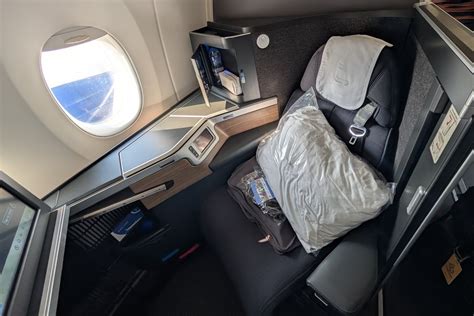
The ripple effect across the aviation industry was immediate. Competitors such as Singapore Airlines, Cathay Pacific, and Lufthansa began designing their own versions of lie-flat seating, each attempting to improve comfort while maximizing cabin space efficiency.
During the early 2000s, many airlines experimented with angled lie-flat seats, which allowed passengers to recline close to horizontal but still tilted slightly downward. While this solution saved space, passengers often slid toward the footwell during sleep. By the early 2010s, travelers had grown increasingly discerning, and these angled configurations rapidly fell out of favor.
Airlines responded by introducing direct aisle access layouts, ensuring that every passenger could reach the aisle without disturbing neighbors. Carriers such as All Nippon Airways (ANA) and Japan Airlines (JAL) pioneered this approach on transpacific routes, establishing a new benchmark for premium travel.
Today, the flat bed is no longer considered innovative—it is simply the expected standard for any serious international airline competing for corporate travelers.
The Rise of the Private Business Class Suite
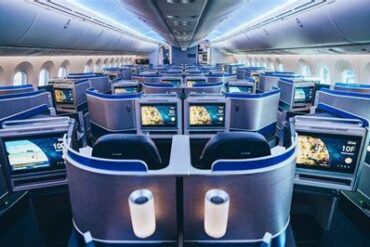
As fully flat beds became standard, airlines began shifting their focus toward something even more valuable than sleep: privacy. The next wave of cabin design centered on transforming business class seats into enclosed personal suites.
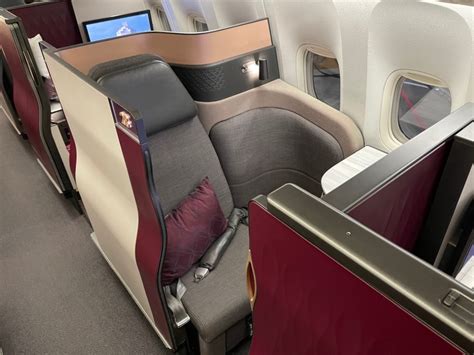
Airlines such as Qatar Airways, Delta Air Lines, and British Airways introduced suites equipped with sliding doors, personal wardrobes, and expanded storage space. These designs created the feeling of a private room within the aircraft cabin.
The Qatar Airways QSuite, introduced in 2017, became one of the most influential products in aviation history. Its modular design allowed groups of travelers to combine seats into shared spaces, while solo passengers enjoyed complete privacy behind sliding doors.
Modern business class suites now incorporate features once reserved for luxury hotels:
- Memory foam mattress toppers
- Adjustable ambient lighting
- Large high-resolution entertainment displays
- Wireless charging pads
- Personalized temperature controls
These developments reflect a broader shift in aviation strategy. Airlines realized that premium passengers are not simply purchasing transportation—they are buying an experience that supports both productivity and rest during ultra-long-haul flights.
Premium Economy: The Cabin Class That Changed Airline Economics
While premium cabins evolved toward luxury and privacy, another revolution quietly emerged in the middle of the aircraft: premium economy.
First introduced experimentally by airlines such as EVA Air and Virgin Atlantic, premium economy was originally seen as a niche offering. Over time, it proved to be one of the most profitable innovations in modern airline cabin design.
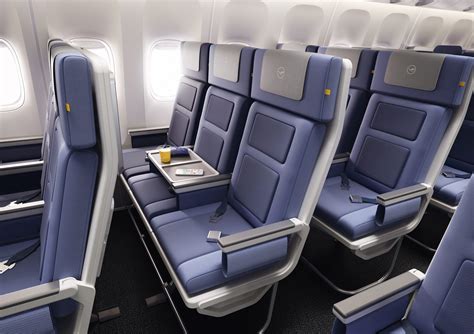
Premium economy fills the gap between tightly packed economy seats and expensive business class suites. With approximately 38 inches of seat pitch, wider armrests, and dedicated footrests, the cabin offers significantly more comfort without the extreme cost associated with premium cabins.
For airlines, the economics are compelling. Premium economy seats generate very high revenue per square foot of cabin space, making them a strategic centerpiece of modern aircraft interiors.
Passengers benefit from features such as:
- Wider seats with enhanced cushioning
- Greater reclining capability
- Dedicated meal service
- Larger entertainment screens
- Priority boarding and baggage benefits
As economy cabins became more densely configured, premium economy emerged as a sanctuary for travelers seeking additional comfort without paying five-figure business class fares. Many airlines now consider this cabin the fastest-growing segment of long-haul travel.
The Digital Revolution Inside the Cabin
The most visible transformation inside aircraft cabins since 2000 has been the dramatic evolution of in-flight entertainment technology.
At the start of the millennium, many aircraft still relied on overhead projectors showing a single movie for the entire cabin. Passengers shared the same film and audio channel, often watching grainy screens suspended from the ceiling.
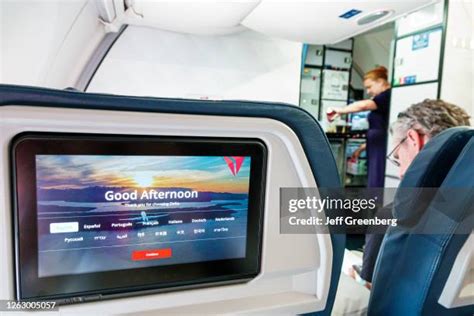
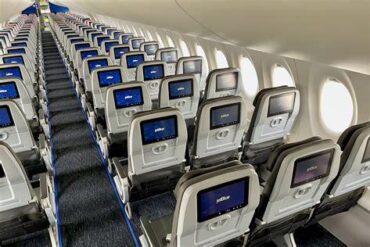
Today’s cabins offer individualized entertainment systems that rival consumer electronics. High-definition OLED seatback screens, touch-sensitive controls, and interactive interfaces allow passengers to browse vast libraries of content.
Modern entertainment systems often include:
- 10,000+ hours of movies and television
- Interactive moving maps
- Video games
- Live television broadcasts
- External device connectivity
The hardware itself has also advanced dramatically. Economy seats now feature displays exceeding 13 inches, while premium cabins often include massive 32-inch cinema-style screens.
Another milestone was the adoption of Bluetooth connectivity, allowing passengers to pair their wireless headphones directly with seatback systems. This small but significant change eliminated the awkward dual-prong headphone adapters that plagued travelers for decades.
High-Speed Internet Above the Clouds
Perhaps the most socially transformative innovation in modern airline cabins is reliable in-flight internet connectivity.
In the early 2000s, internet access on aircraft was rare, slow, and extremely expensive. Early satellite systems provided only basic email capability and frequently lost signal during long oceanic flights.
The emergence of Low Earth Orbit satellite networks has fundamentally changed this equation.
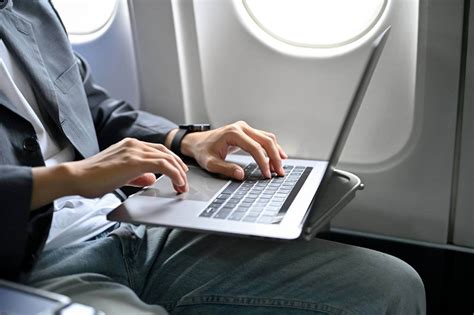
These new satellite constellations deliver dramatically faster speeds and lower latency. Many modern aircraft now provide internet connectivity capable of supporting video conferencing, cloud computing, and 4K streaming.
For business travelers, this connectivity transforms the aircraft cabin into a functional extension of the office. Passengers can collaborate with colleagues, attend virtual meetings, and manage projects while crossing oceans.
This shift has altered passenger behavior significantly. Instead of interacting with the cabin environment, many travelers remain deeply connected to their digital lives throughout the entire flight.
The Quiet Revolution in Aircraft Materials
Beyond visible comfort upgrades, one of the most significant improvements in passenger experience has come from changes in aircraft construction materials.
For decades, aircraft were built primarily from aluminum. While strong and lightweight, aluminum structures required low cabin humidity levels to prevent corrosion. As a result, passengers often experienced dry skin, fatigue, and dehydration during long flights.
The introduction of composite aircraft such as the Boeing 787 Dreamliner and Airbus A350 changed everything.
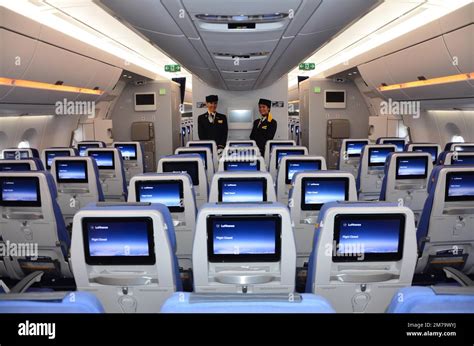
Carbon-fiber composite materials resist corrosion, allowing engineers to design cabins with higher humidity levels and lower cabin altitude pressure.
Traditional aircraft cabins simulated an altitude of approximately 8,000 feet, while modern composite aircraft maintain a much more comfortable 6,000-foot equivalent altitude.
This difference significantly improves the physiological experience of long-haul travel. Passengers often report:
- Reduced fatigue
- Less dehydration
- Improved sleep quality
- Lower incidence of headaches
In addition, advanced cabin lighting systems simulate natural sunlight cycles, helping passengers adjust their circadian rhythms during long flights across multiple time zones.
Air Quality and Health in the Post-Pandemic Era
Air quality has become one of the defining aspects of modern aircraft cabin design. Even before the global pandemic reshaped public health awareness, aircraft manufacturers had already begun improving ventilation and filtration technologies.
Modern aircraft use HEPA filtration systems capable of removing over 99.9% of airborne particles, including bacteria and viruses.
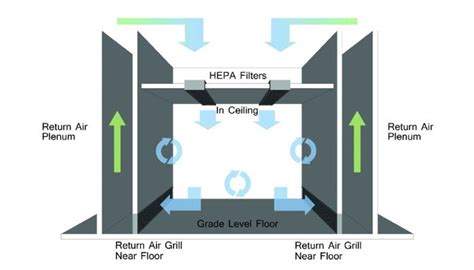
Cabin air is completely refreshed every two to three minutes through a combination of filtered recirculated air and fresh outside air drawn from the engines’ compressor stages.
Following the pandemic, airlines introduced additional hygiene technologies such as:
- Ultraviolet-C sanitation systems
- Antimicrobial cabin materials
- Touchless lavatory controls
- Contactless boarding technologies
These changes reflect a new design philosophy in which the aircraft cabin is treated as a controlled health environment rather than simply a seating area.
The Shrinking Space in Economy Class
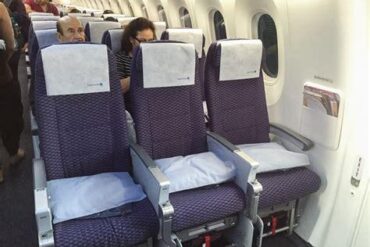
While premium cabins have expanded in luxury and technology, the experience in economy class has moved in the opposite direction.
Airlines face relentless pressure to reduce operating costs and maximize passenger capacity. As a result, seating density in economy cabins has steadily increased.
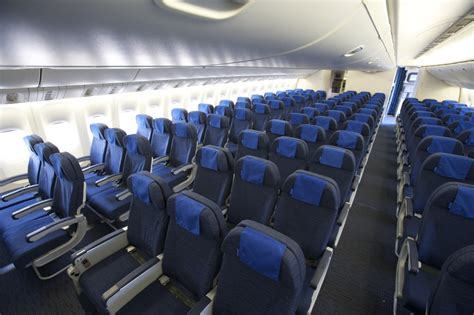
One of the most significant changes occurred on the Boeing 777, where airlines shifted from a nine-abreast configuration to a ten-abreast layout. This adjustment reduced seat width by roughly one inch but allowed airlines to add up to 40 additional passengers per flight.
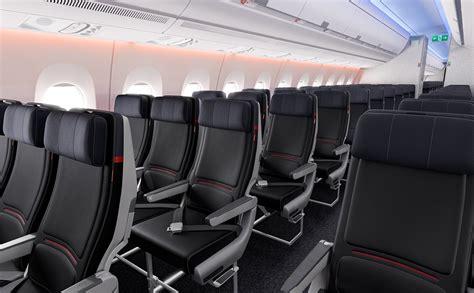
Seat pitch has also declined from around 34 inches in 2000 to approximately 30–31 inches today on many aircraft.
To compensate for reduced space, manufacturers introduced slimline seat designs. These seats use thinner materials and advanced ergonomic frames to preserve knee room while reducing weight.
Although padding has decreased, modern seat engineering provides better lumbar support through precise structural shaping. Every seat now includes personal power outlets or USB-C charging ports, reflecting the importance of digital devices to passenger comfort.
First Class Becomes an Airborne Apartment
The most dramatic transformation since 2000 has taken place at the very front of the aircraft.
First class, once defined simply by wider seats and better meals, has evolved into fully enclosed luxury suites that resemble private apartments.
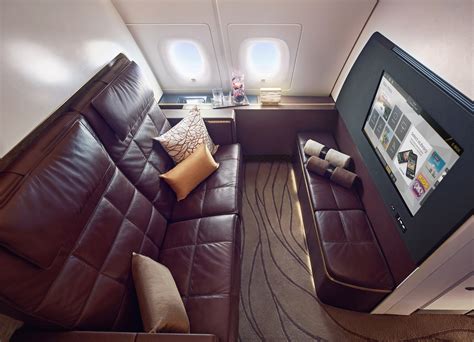
Airlines such as Singapore Airlines, Etihad Airways, and Emirates have pushed the boundaries of luxury travel with extraordinary cabin concepts.
Some of the most remarkable features now found in first class include:
- Floor-to-ceiling sliding doors
- Double beds
- Personal wardrobes
- Private lounges
- Dedicated onboard showers
The most famous example is Etihad Airways’ “The Residence”, a three-room suite aboard the Airbus A380 that includes a living room, bedroom, and private bathroom with shower.
These innovations demonstrate how airlines now view first class as a halo product—a luxury experience that defines brand prestige even if only a small number of passengers ever purchase it.
The Future of Airline Cabin Design
Despite the dramatic changes already seen since 2000, the evolution of airline cabins is far from complete. Engineers, designers, and technology companies are already developing the next generation of cabin innovations.
Future concepts include AI-driven wellness systems that monitor passenger hydration, heart rate, and sleep patterns. Smart seats embedded with biometric sensors could automatically adjust lighting, seat firmness, and airflow based on a passenger’s physiological state.
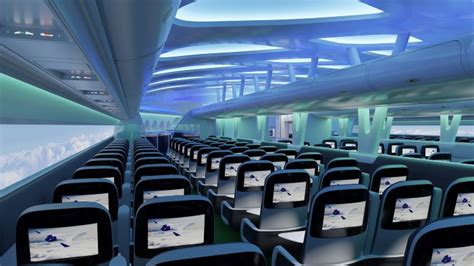
Sustainable materials will also play a major role in future designs. Airlines are exploring recyclable composites, plant-based fabrics, and ultra-lightweight seat frames to reduce environmental impact while maintaining comfort.
Meanwhile, advances in virtual reality entertainment and immersive digital environments may redefine how passengers experience long flights, potentially transforming seatback displays into fully interactive personal spaces.
The aircraft fuselage itself may remain largely unchanged in size and shape, but the interior environment will continue evolving through innovation in data, materials science, and human-centered design.
Conclusion: From Transportation to Experience
The transformation of airline cabins since 2000 reflects a broader shift in how air travel is perceived. Aircraft interiors have evolved from functional transportation spaces into complex environments that blend technology, comfort, and personal autonomy.
Premium cabins now rival luxury hotels, connectivity allows passengers to remain part of their digital world, and advancements in materials science have significantly improved the biological experience of long-haul travel.
At the same time, economic pressures have reshaped the rear of the cabin, demonstrating the constant balancing act between profitability and passenger comfort.
What remains certain is that airline cabin design will continue to evolve as technology advances and traveler expectations rise. The aircraft cabin of the future will likely become even more personalized, intelligent, and responsive—turning every seat into a micro-environment tailored to the individual passenger’s needs.
For travelers today, the difference between stepping aboard an aircraft in 2000 and entering a modern widebody jet is nothing short of extraordinary. The journey through the sky has become not just faster, but smarter, healthier, and far more comfortable than ever before.