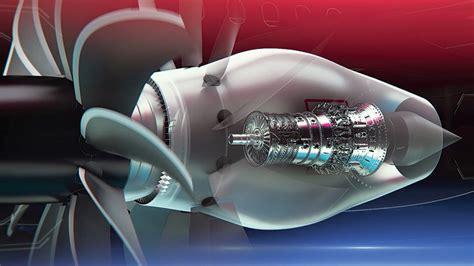
The development of propfan technology represents a significant milestone in the aviation industry’s ongoing search for fuel efficiency and environmental sustainability. A propfan is an aircraft engine that combines the elements of both turbofans and turboprops, offering a unique solution to the challenge of balancing speed and fuel economy. By using advanced, unshrouded, and curved propeller blades, the propfan achieves the performance levels of turbofans, while also capitalizing on the fuel efficiency benefits typically associated with turboprops. This hybrid engine design has made propfans an intriguing prospect for the aviation industry, particularly for commercial aircraft seeking improved fuel efficiency at subsonic speeds.
What is a Propfan?
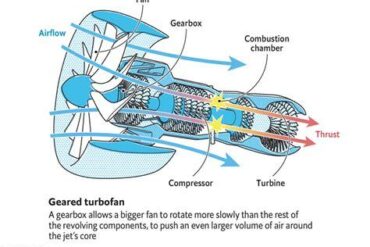
A propfan is an advanced type of aircraft engine that integrates the technology of turbofans and turboprops to create a propulsion system that is more fuel-efficient than traditional turbofan engines, especially during high subsonic cruise speeds. The propfan engine design incorporates large, curved blades that are unshrouded, which is in contrast to the typical configuration of turbofan engines where the blades are enclosed in a casing. The unshrouded blades allow for increased airflow and better efficiency at subsonic speeds, particularly at cruising altitudes around 35,000 feet.
The unique design of the propfan engine allows it to operate efficiently at Mach 0.7 to 0.8, which is typical for most commercial aircraft during cruise flight. These characteristics enable the engine to produce the same levels of thrust as a turbofan engine, but with a much lower fuel consumption, particularly at high altitudes. The result is an aircraft that is capable of traveling long distances while minimizing the use of fuel, offering both cost savings and environmental benefits.
The History of Propfan Technology
The propfan concept emerged in the 1970s as part of an effort to reduce the operational costs of commercial aircraft. Engineers recognized that by combining the advantages of turboprop engines—notably their fuel efficiency at lower speeds—with the higher speeds and performance characteristics of turbofan engines, it was possible to create an engine that offered greater efficiency during cruise flight.
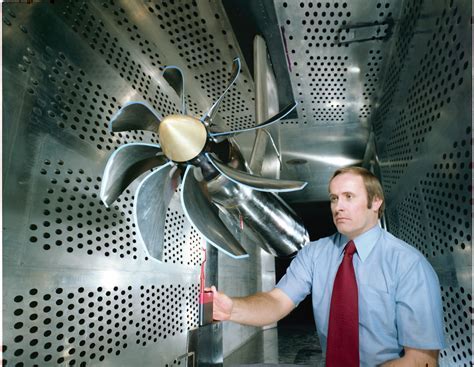
During the 1980s, major aerospace manufacturers, such as Hamilton Standard, General Electric, and Rolls-Royce, began testing various propfan designs. Many of these early prototypes focused on innovations like contra-rotating fans and gearless systems, aiming to overcome some of the traditional limitations of turboprop engines, such as propeller drag and noise.
Challenges to Commercial Success
Despite the promising benefits, propfan technology faced significant challenges that prevented it from becoming a mainstream solution in the aviation industry. One of the primary obstacles was the noise generated by the unshrouded propeller blades. Aircraft engines with large, exposed blades tended to produce higher levels of acoustic emissions, making them less suitable for commercial use, where noise regulations were becoming stricter.
Another factor that hindered the adoption of propfan technology was the relatively low price of fuel in the 1980s. With fuel prices remaining stable and inexpensive during that time, airlines had less incentive to invest in more fuel-efficient engine technologies. Consequently, turbofan engines, which were more familiar and commercially established, remained the preferred choice for most aircraft manufacturers and operators.
By the late 1980s, the momentum behind propfan development had largely dissipated, as turbofan engines continued to dominate the market. However, the underlying promise of the technology remained intact, and as fuel efficiency and environmental concerns began to gain prominence once again, propfan designs saw renewed interest.
Modern Efforts to Revive Propfan Technology
In recent years, propfan technology has experienced a resurgence, driven by the aviation industry’s need to meet environmental goals and reduce carbon emissions. As part of ongoing research into sustainable aviation technologies, several companies have revisited the propfan design and have been working on addressing the shortcomings that hindered its commercial success in the past.
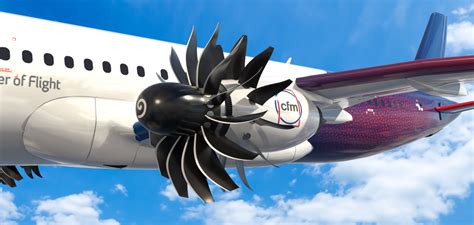
One of the key projects that has drawn attention is the CFM RISE program, a collaboration between Safran and CFM International. This initiative focuses on developing advanced propulsion systems that combine the best aspects of both turbofan and propfan technologies. The RISE program is particularly focused on improving fuel efficiency, lowering emissions, and making aircraft engines more compatible with sustainable aviation fuels (SAFs).
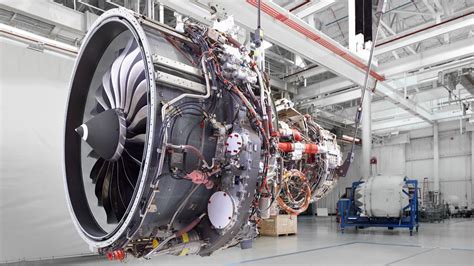
Additionally, aircraft manufacturers like Antonov and Boeing have shown interest in incorporating propfan engines into their designs. The Antonov An-70, a cargo aircraft, is one of the notable examples of a plane that utilizes propfan technology. The Boeing 7J7, a proposed model from the 1980s, was also considered as a candidate for propfan engines, although it was ultimately not developed.
As the aviation industry continues to explore ways to reduce its carbon footprint, the role of propfan technology in achieving greater fuel efficiency and compliance with noise regulations has become even more critical. Efforts to refine propfan designs are expected to play a crucial part in the development of future aircraft that are both more efficient and environmentally friendly.
The Advantages of Propfan Engines
Propfan engines offer several key advantages, particularly in the context of the modern aviation industry’s growing emphasis on sustainability and efficiency.
- Fuel Efficiency: Propfan engines can provide significantly better fuel efficiency compared to traditional turbofan engines, especially at high subsonic speeds. This makes them an attractive option for airlines looking to reduce operating costs.
- Lower Emissions: Due to their enhanced fuel efficiency, propfan engines can help reduce carbon emissions, contributing to the global effort to reduce the environmental impact of air travel.
- Cost Savings: The increased fuel efficiency of propfan engines translates to lower operating costs for airlines, which is a significant advantage given the rising price of aviation fuel.
- Advanced Technology Integration: Modern propfan designs are incorporating cutting-edge technologies like sustainable aviation fuels (SAFs), electric propulsion systems, and noise-reduction technologies to ensure that they meet the evolving standards of the aviation industry.
The Future of Propfan Technology
Looking ahead, the future of propfan technology appears promising. With growing demand for fuel-efficient, low-emission aircraft, propfan engines may once again become a viable option for commercial airlines. However, overcoming challenges related to noise and efficiency at higher speeds will be critical in determining the extent to which propfan designs are adopted.
As companies like CFM International, Rolls-Royce, and General Electric continue to innovate and refine propfan technology, we can expect to see increasingly advanced prototypes and new aircraft models that incorporate this promising engine type. Ultimately, propfan technology could play a crucial role in shaping the future of aviation, particularly in terms of environmental sustainability and cost-effectiveness.

In conclusion, while propfan technology has faced numerous challenges throughout its history, its potential for fuel efficiency, reduced emissions, and cost savings makes it a key area of interest for the aviation industry. As research and development efforts continue, it is likely that propfans will become an increasingly important part of the aviation ecosystem, contributing to the development of more sustainable aircraft for future generations.