Rocket propulsion systems are the backbone of modern spaceflight, translating theoretical physics into tangible force. At the heart of these systems lies Newton’s Third Law of Motion—for every action, there is an equal and opposite reaction. This principle governs the ejection of high-velocity exhaust gases in one direction to generate thrust in the opposite direction. The thrust equation, ( F = \dot{m} \cdot V_e + (p_e – p_a) \cdot A_e ), encapsulates this dynamic, with variables representing mass flow rate, exhaust velocity, ambient and exit pressures, and nozzle area. In the vacuum of space, where ambient pressure approaches zero, thrust becomes entirely dependent on mass flow rate and exhaust velocity, highlighting the importance of efficient combustion and nozzle design.
The spectrum of rocket propulsion technologies is vast, each with its own engineering complexities and operational niches. These systems can be broadly categorized into liquid rocket engines (LREs), solid rocket motors (SRMs), hybrid propulsion, electric propulsion (EP), and nuclear thermal propulsion (NTP). Each type reflects a unique approach to managing propellant states, combustion mechanics, and mission requirements.
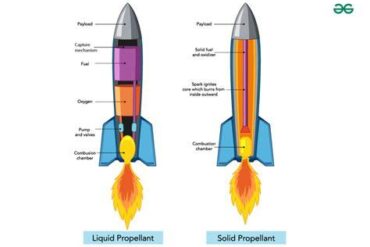
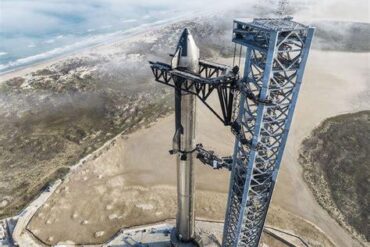
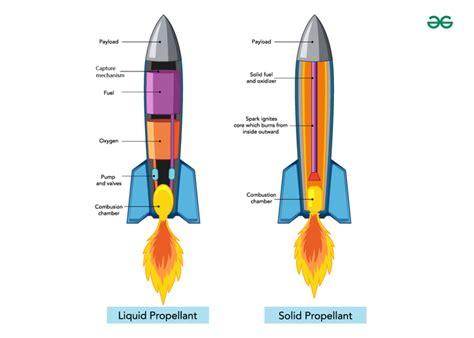
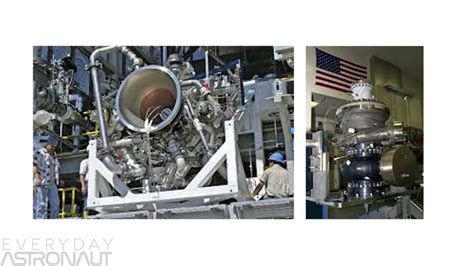
Liquid Rocket Engines are renowned for their controllability and efficiency. By separately storing and then pumping liquid fuel and oxidizer into a combustion chamber, these engines allow for variable thrust and shut-off capabilities—crucial for orbital insertions and rendezvous missions. Iconic examples include the RS-25 engines of the Space Shuttle and the Raptor engine developed by SpaceX. These systems often employ advanced cycles like full-flow staged combustion, which boosts efficiency by burning all propellants in preburners before final combustion.
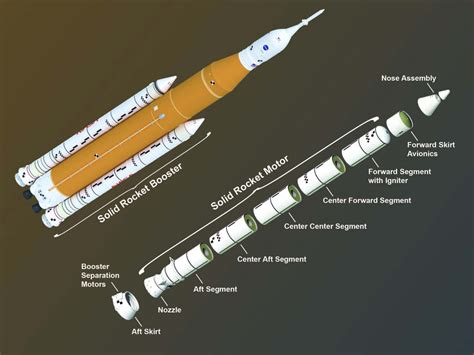
In contrast, Solid Rocket Motors offer simplicity and brute force. Their propellants are mixed into a single solid grain, making them robust and ready-to-fire with minimal preparation. While they boast high thrust-to-weight ratios, they lack the ability to throttle or shut down mid-flight—once ignited, they burn to completion. Nevertheless, SRMs are indispensable for launch assists, famously used in the Space Shuttle Solid Rocket Boosters (SRBs) and modern systems like NASA’s SLS boosters.
Hybrid propulsion systems represent a middle ground, using a solid fuel source with a liquid or gaseous oxidizer. This configuration provides some controllability, along with safer handling and reduced complexity compared to LREs. While still in developmental phases for many applications, hybrids have gained attention for small satellite launchers and experimental vehicles.
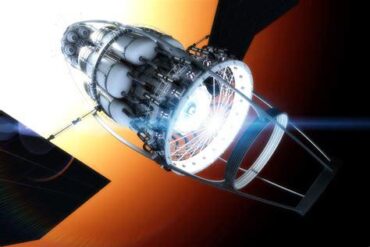
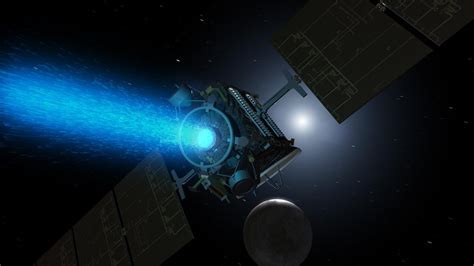
Electric Propulsion, encompassing ion engines and Hall effect thrusters, revolutionizes in-space propulsion. These systems generate thrust by accelerating ionized gases through electric or magnetic fields. Though their thrust output is minimal, their specific impulse (I_sp)—a measure of efficiency—surpasses that of chemical rockets by orders of magnitude, often exceeding 3,000 seconds. Missions like NASA’s Dawn spacecraft have demonstrated their utility in deep-space exploration, where prolonged acceleration can yield substantial velocity changes.
Nuclear Thermal Propulsion holds promise for future interplanetary missions. By transferring heat from nuclear reactions to a working fluid—typically hydrogen—NTP systems could dramatically increase I_sp beyond 900 seconds, far outperforming traditional chemical propulsion. Although not yet operational, prototypes and simulations continue to advance under agencies like NASA and DARPA.
The performance of any propulsion system is judged by a set of rigorous metrics. Chief among these is specific impulse, defined as ( I_{sp} = \frac{F}{\dot{m} \cdot g_0} ), which indicates how effectively a system converts propellant into thrust. Liquid engines generally achieve I_sp values between 300–450 seconds, while EP systems eclipse this by an order of magnitude. Equally vital is the thrust-to-weight ratio, especially for launch stages, where high initial thrust is needed to overcome Earth’s gravity.
Another pivotal parameter is the mass ratio, ( \frac{M_f}{M_i} ), embedded in the Tsiolkovsky rocket equation: ( \Delta V = V_e \cdot \ln \left( \frac{M_i}{M_f} \right) ). This relationship underscores the advantage of multi-stage rockets, which discard empty mass progressively to improve efficiency.
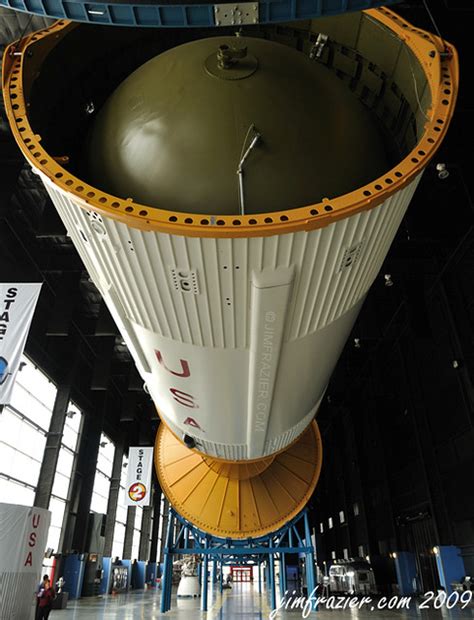
Propellant selection is both a performance and logistical decision. Cryogenic propellants, like liquid hydrogen and oxygen, offer high efficiency but require bulky, insulated tanks due to low densities. These are used in upper stages like the Saturn V’s S-II. In contrast, storable propellants, such as nitrogen tetroxide and monomethylhydrazine, remain stable at ambient temperatures and are ideal for spacecraft attitude control and orbital maneuvering.
Solid propellants, particularly composite materials like ammonium perchlorate composite propellant (APCP), offer simplicity and powerful thrust profiles. They’re widely used in military applications, missile systems, and launch boosters.
As we push the boundaries of space access, advanced propulsion technologies have emerged to address long-standing challenges. The full-flow staged combustion cycle used in SpaceX’s Raptor engines enhances chamber pressure and thermal efficiency, while electric pump-fed engines, like Rocket Lab’s Rutherford, eliminate complex turbopumps in favor of electric motors—simplifying design and maintenance.
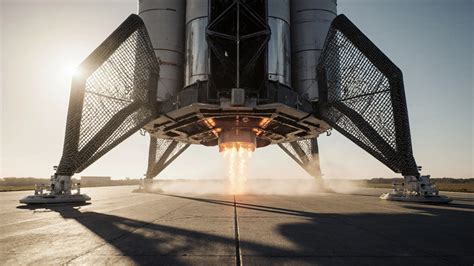
Reusability has become a cornerstone of modern rocketry. Systems like Falcon 9 incorporate propellant densification, landing legs, and throttleable engines like Merlin 1D to enable vertical landing and reuse. These innovations drastically reduce launch costs and turnaround times.
Designing propulsion systems involves overcoming formidable challenges. Thermal management is critical—combustion temperatures can exceed 3,500°C, necessitating regenerative cooling where propellants circulate through engine walls before ignition. Structural mass reduction, including lightweight alloys and composite tanks, directly enhances payload capacity. Precision thrust vector control (TVC) mechanisms, such as gimbaled nozzles and fluid injection, are essential for trajectory correction and stage separation.
The diversity of applications for rocket propulsion spans every phase of spaceflight. Launch vehicles employ complex configurations, often combining solid boosters with liquid-fueled cores. For instance, NASA’s Space Launch System (SLS) integrates both to achieve orbital velocity. In contrast, in-space propulsion relies on electric thrusters for station-keeping, orbital transfers, and planetary missions, where slow, steady acceleration proves advantageous.
Landing and reusability, now synonymous with companies like SpaceX and Blue Origin, demand high-precision engine throttling and advanced guidance systems. Reusable boosters are redefining launch economics, with booster recovery now routine for LEO missions.
Looking ahead, the propulsion landscape is poised for radical evolution. Green propellants, including methane and hydrogen peroxide, offer lower toxicity and environmental impact, aligning with global sustainability goals. Simultaneously, AI-driven design tools now simulate combustion instability, optimize nozzle contours, and streamline engine integration. These algorithms are slashing development cycles while enhancing performance reliability.
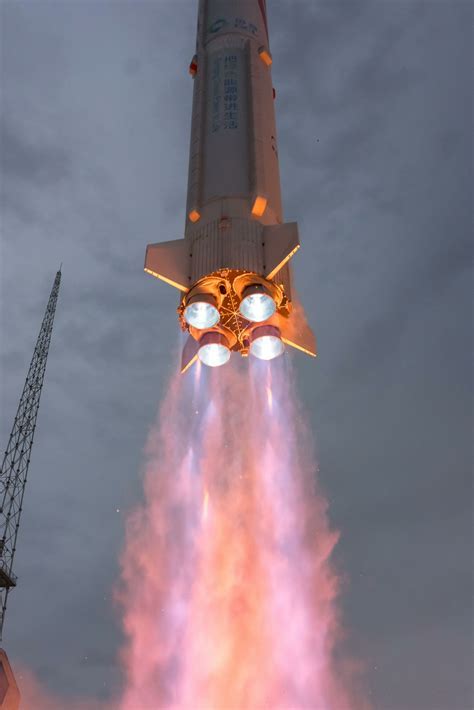
Perhaps most compelling are future ambitions involving nuclear and even fusion propulsion. These systems promise specific impulses exceeding 10,000 seconds, potentially slashing interplanetary transit times from months to weeks. Though technological and regulatory hurdles remain, research is accelerating through programs like NASA’s NTP initiatives and private sector partnerships.
In conclusion, the world of rocket propulsion is a dynamic interplay of physics, materials science, and visionary engineering. From the thunderous power of solid boosters to the quiet hum of ion engines, each technology contributes to humanity’s reach beyond Earth. As advancements continue and commercial access expands, these systems will remain at the heart of our interplanetary ambitions and deep-space exploration.