The naming of U.S. Army helicopters after Native American tribes and figures is far more than a simple tradition—it is a symbol deeply rooted in history, warfare strategy, and cultural respect. The iconic names—Apache, Black Hawk, Chinook, Lakota, and others—have become synonymous with the strength, agility, and combat prowess of the helicopters themselves. This longstanding practice is not arbitrary but stems from historical military policies and a recognition of Native Americans’ fierce warrior spirit.
The connection between Native Americans and the U.S. military is layered with both conflict and cooperation. While the American Indian Wars—a series of brutal clashes between the U.S. government and Native tribes—stretched across centuries, Native Americans also played significant roles as allies and soldiers. Notably, 32 Native Americans have received the Medal of Honor, the highest military award in the United States, underscoring their enduring legacy of valor.
The Origins of the Naming Tradition
The tradition dates back to the 1940s, when General Hamilton Howze, an influential figure in Army aviation, spearheaded a shift in helicopter doctrine. At the time, the early helicopter models bore uninspired names like “Hoverfly” and “Dragonfly,” which did little to convey the aircrafts’ tactical capabilities. Howze envisioned a naming convention that would reflect the helicopters’ speed, agility, and combat roles—qualities that mirrored the fighting techniques of Native American tribes, particularly those of the Great Plains.
The H-13 Sioux, made famous by its role in the Korean War and the television series “MASH,” was the first to bear a Native American name. This decision was inspired by the Sioux Wars, where Native forces demonstrated exceptional guerrilla tactics, defeating the 7th Cavalry Regiment at the infamous Battle of Little Bighorn*. The name not only honored the Sioux but also symbolized the Army’s vision for the helicopter’s battlefield function.
Army Regulation 70-28: Formalizing the Practice
In 1969, the Army codified its naming policies through Army Regulation 70-28, which laid out stringent criteria for naming major military equipment. The regulation required that names:
- Appeal to the imagination without losing dignity.
- Suggest an aggressive spirit and confidence in the equipment’s capabilities.
- Reflect characteristics such as mobility, agility, flexibility, firepower, and endurance.
- Be connected to tactical application, rather than manufacturing origin.
- Be associated with the preceding qualities if a person’s name was proposed.
For aircraft, the regulation specifically mandated “Indian terms and names of American Indian tribes and chiefs.” To aid in the process, the Bureau of Indian Affairs provided a curated list of suitable names. This policy was part of a broader system where tanks were named after famous American generals, infantry weapons after early American pioneers, and assault weapons after fearsome creatures like cobras and scorpions.
The Evolution and Endurance of the Tradition
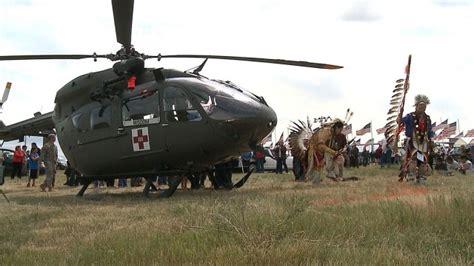
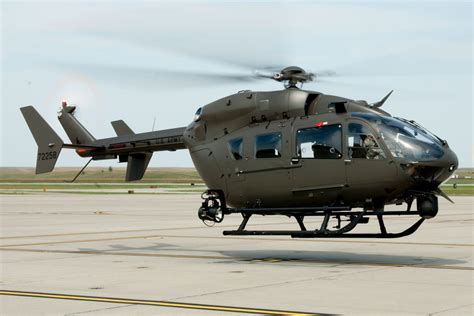
Though Army Regulation 70-28 was eventually rescinded, the tradition of using Native American names persisted. The cultural resonance and battlefield symbolism proved too compelling to abandon. As recently as 2012, the Army named its primary training helicopter, the UH-72A Lakota, after the Lakota people of the Great Sioux Nation in North and South Dakota. The Lakota name was not selected in isolation; it came with full community involvement, including a traditional blessing ceremony conducted by Lakota elders at the Standing Rock Reservation.
These ceremonies have been emblematic of the Army’s effort to honor Native American heritage, demonstrating respect beyond the symbolic gesture of a name. Such acts highlight the dual acknowledgment of a complicated history and a shared warrior ethos.
Iconic Helicopters and Their Namesakes
The following are some of the most notable U.S. Army helicopters and their Native American namesakes:
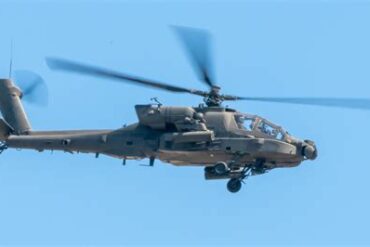
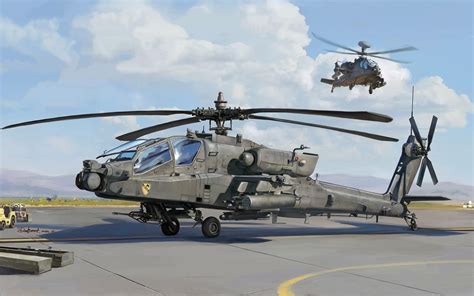
- AH-64 Apache: Named after the Apache tribes known for their relentless and strategic warfare in the American Southwest.
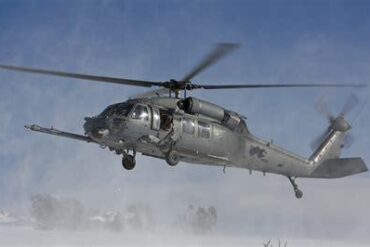
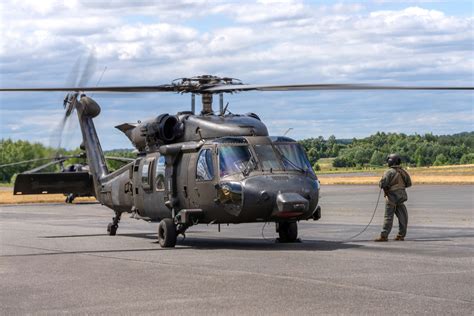
- UH/HH-60 Black Hawk: Named after Chief Black Hawk, a Sauk leader who resisted U.S. expansion in the Midwest.
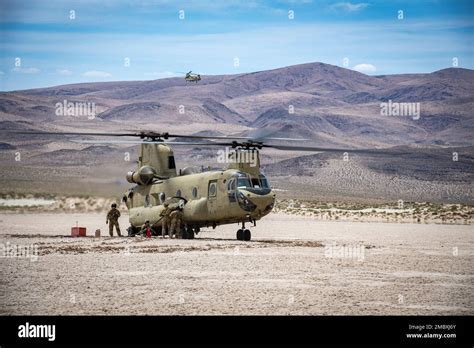
- CH-47 Chinook: Named after the Chinook people of the Pacific Northwest, reflecting strength and endurance.
- RAH-66 Comanche: Named after the Comanche, famed for their horsemanship and battlefield prowess.
- UH-72A Lakota: Honoring the Lakota Sioux, known for their role in pivotal battles and deep cultural heritage.
Symbolism and Cultural Reflection
The enduring appeal of Native American names for Army helicopters lies in their embodiment of tactical ideals—stealth, speed, resilience, and ferocity. These qualities are deeply intertwined with the cultural imagery of Native warriors, whose resistance and skill have become legendary. The names serve not only as identifiers but as living symbols of combat heritage, reinforcing the Army’s commitment to embodying these attributes in its aerial warfare capabilities.
Additionally, these names reflect a nuanced relationship between the U.S. military and Native American communities—a relationship marked by both historical conflict and mutual respect. The Army’s consistent effort to involve Native groups in ceremonies and consultations around helicopter naming is a testament to this evolving dynamic.
The Future of the Tradition
As military technology advances and new aircraft are developed, the question arises: Will the Army continue this naming tradition? While regulations like AR 70-28 no longer dictate name choices, history suggests that the tradition is too deeply entrenched to fade away easily. The symbolic power of these names continues to resonate with soldiers and the public alike, ensuring their place in the lexicon of military aviation for the foreseeable future.
Ultimately, the practice of naming Army helicopters after Native American tribes and leaders is a unique blend of historical homage, cultural symbolism, and tactical philosophy. It is a tradition that speaks to the spirit of resilience, strength, and honor—values that remain at the heart of Army aviation.