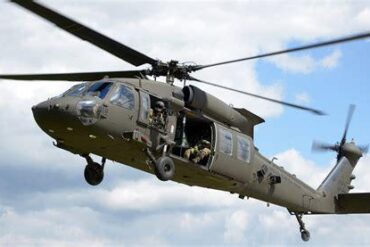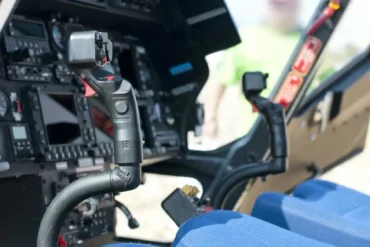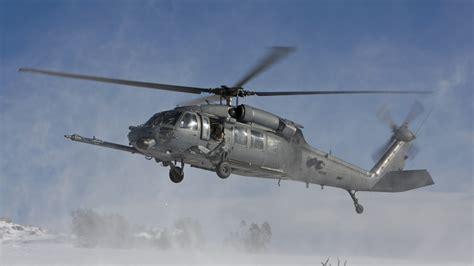
Military helicopters are marvels of engineering — versatile, deadly, and indispensable across modern battlefields. Their unique capabilities, including vertical takeoff and landing, hovering, and close air support, have made them essential tools for ground and aerial operations. But for all their recognizable features — rotor blades, side-mounted armaments, stealthy profiles — there’s one element that often catches the curious eye: a long, slender pole protruding from the front of certain models. What is it? Why is it there? And what role does it play in the increasingly high-tech theatre of war?
The Pole at the Front: A Critical Lifeline in the Sky
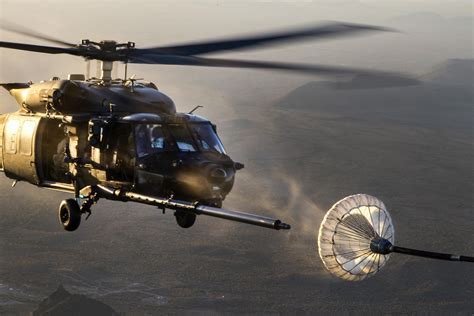
This pole, while seemingly strange at first glance, is not decorative or structural. It is a refueling probe, a crucial component of aerial refueling systems that enables helicopters to extend their range, loiter longer, and operate in vast, remote areas without returning to base for fuel. When seen on iconic attack helicopters like the AH-64 Apache or the Bell AH-1Z Viper, the pole is the physical manifestation of operational endurance and tactical flexibility.
What Is Aerial Refueling and Why Does It Matter?
Aerial refueling is the act of transferring fuel from one aircraft to another mid-flight. This sophisticated process eliminates the need for helicopters to land for refueling, which would otherwise risk exposure, delay operations, or force early mission terminations. With fuel delivery taking place in the air, helicopters gain extended range, increased mission time, and strategic autonomy.
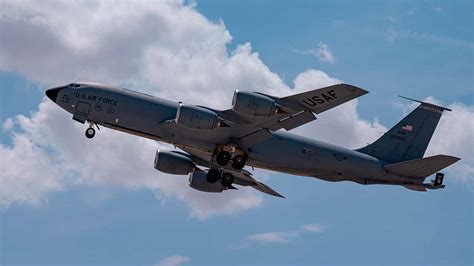
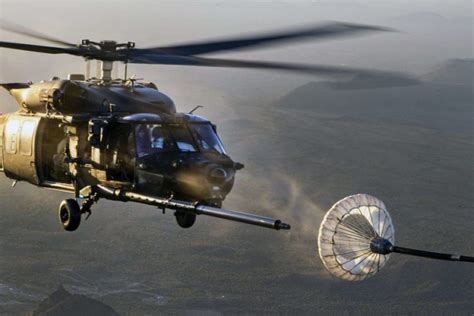
The system functions through a tanker aircraft — often a KC-135 Stratotanker or KC-30A Multi-Role Tanker Transport (MRTT) — flying in coordination with the helicopter. The tanker releases a long fuel hose with a drogue, while the helicopter, guided by laser precision and pilot expertise, inserts its refueling probe into the drogue. Fuel flows across the connection, and the mission continues uninterrupted.
The pole you see at the front is that helicopter’s link to survival and success in prolonged missions, particularly in combat, search and rescue, and reconnaissance operations over enemy territory or vast oceans.
Precision Required: A Dangerous Dance in the Sky
Executing midair refueling is far from routine. It demands extreme coordination, pilot finesse, and technological synchronization. The refueling connection is made at speeds where the margin for error is slim. Tankers and helicopters fly a mere 65.6 feet apart, aligning perfectly while buffeted by wind, turbulence, and potential threats from enemy forces.
The refueling hose itself may be over 82 feet long, swaying in the air as both aircraft maintain tight formation. A misalignment could mean fuel leakage, equipment damage, or worse — midair collisions. Tankers typically carry over 150,000 to 220,000 pounds of fuel, making safety paramount. Any spark, miscalculation, or turbulence at the wrong moment could result in catastrophic explosions or crashes.
From Concept to Practice: The History Behind Helicopter Aerial Refueling
The concept of air-to-air refueling has existed for fixed-wing aircraft for decades, but applying it to rotary-wing aircraft presented distinct challenges. The first U.S. helicopter to successfully refuel midair was the HH-3E “Jolly Green Giant”, a heavy-lift helicopter used in Vietnam. It was refueled in 1967 using a modified C-130 Hercules tanker.
Since then, helicopter aerial refueling has evolved into a standard — albeit risky — procedure for high-value missions. Modern aircraft such as the MH-60 Black Hawk, CH-53K King Stallion, and V-22 Osprey now often come equipped with retractable or fixed refueling probes. These are not just metal poles; they are part of sophisticated fuel transfer systems that involve pressurization, flow control valves, and safety sensors.
Tragedies That Remind Us of the Risks
Despite its utility, aerial refueling of helicopters is not without peril. The complexity and inherent danger have led to multiple accidents. One of the most recent tragedies occurred in November 2023, when an MH-60 Black Hawk crashed during a midair refueling training exercise. The Department of Defense cited an “in-flight emergency,” though such events often underscore the broader risks associated with such high-stakes procedures.
Refueling mishaps can result from multiple causes:
- Fuel vapor ignition, potentially leading to onboard fires or explosions.
- Loss of control due to turbulence or mechanical failure.
- Probe/drogue disconnection, possibly causing fuel spills or damage.
- Pilot disorientation during night operations or poor visibility.
Each of these risks emphasizes the training and experience needed to safely carry out aerial refueling. Accidents not only endanger lives but also result in the loss of aircraft valued in the tens of millions.
Strategic Importance: Why This Capability Matters
In an era of rapidly shifting battlefields and long-range missions, aerial refueling becomes more than a tactical tool — it’s a strategic necessity. Consider a mission involving special operations forces deep behind enemy lines, or a rescue operation far offshore. In both scenarios, the ability to refuel midair is often the difference between mission failure and success.
This is especially true for the U.S. Navy and Marine Corps, which deploy helicopters across vast stretches of ocean or rugged terrain. Without refueling probes, their helicopters would need to carry bulky external tanks or land frequently — reducing combat effectiveness and increasing vulnerability.
In many ways, the front-mounted refueling pole is the physical symbol of operational reach. It turns the helicopter from a tactical unit into a strategic one, capable of supporting long-duration missions, rapid deployment, and global mobility.
Refueling Technology: What Lies Beneath the Surface
The external probe is only the tip of the iceberg. The actual fuel transfer system includes:
- Onboard pumps and pressure regulators.
- Thermal detection systems to monitor heat during flow.
- Hydraulic actuators for probe deployment and retraction.
- Redundant shut-off valves for immediate termination if leaks or faults are detected.
Additionally, the materials used for the probe are designed to handle aerodynamic stress, heat, and corrosion, especially in combat zones where environmental conditions can range from deserts to arctic regions.
From Apache to Viper: The Machines That Carry the Pole
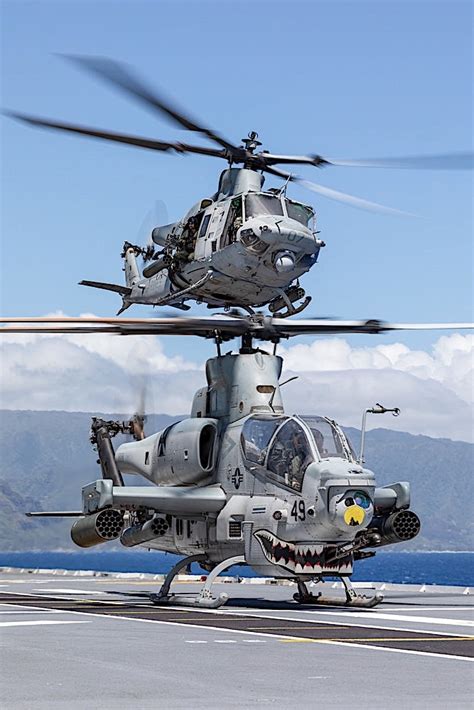
Iconic aircraft such as the AH-64 Apache, AH-1Z Viper, and MH-47 Chinook often feature the refueling probe as standard or optional equipment. These machines are not just battlefield tools — they’re multi-role platforms that deliver air support, logistics, medical evacuation, and surveillance. With the probe, they can now remain aloft during critical missions, ensuring sustained pressure on enemy forces or extended support to ground troops.
In combat, fuel equals time. Time equals dominance. The refueling probe enables these helicopters to remain above the fight, not sidelined at fuel depots.
Conclusion: More Than Just a Pole — A Lifeline of the Skies
That pole sticking out of the front of a military helicopter is not an odd design choice or a mystery. It is a precision-engineered tool, enabling complex, high-risk, high-reward missions. It is a symbol of strategic endurance, a link to survivability in hostile environments, and a testament to the evolving capabilities of military aviation.
While it may look unassuming, that refueling probe has transformed helicopters from short-range support vehicles into global force multipliers. In the ever-demanding landscapes of modern warfare, where distance, speed, and resilience define victory, this simple-looking pole may well be one of the most important parts of the machine.