Gasoline, a cornerstone of modern transportation, is typically known for its pale yellow or clear appearance. However, there are instances where gasoline takes on a distinct blue hue, a phenomenon that often raises questions among motorists and engineers alike. Understanding why some gasoline appears blue requires delving into its chemical composition, specialized uses, and regulatory practices.
The Chemical Nature of Gasoline and Its Typical Appearance
Gasoline is a complex blend of hydrocarbons, distilled from crude oil. In its natural, unadulterated state, gasoline is either clear or faintly yellowish. The slight color arises from trace impurities or variations in refining processes. Under normal circumstances, consumers will not encounter blue gasoline at standard fueling stations.
Why Some Gasoline Turns Blue: Aviation Gasoline and Specialized Fuels
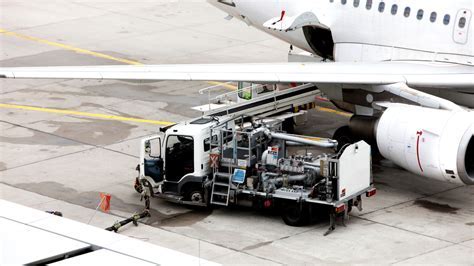
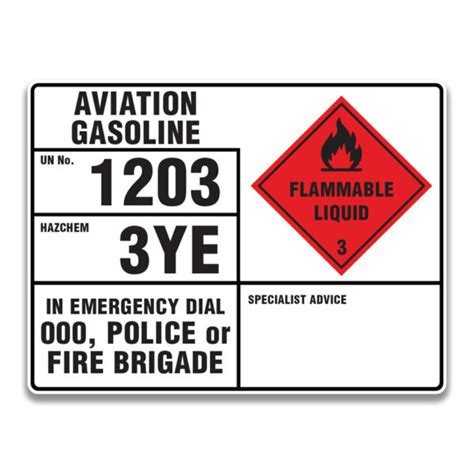
One of the most common reasons for encountering blue gasoline is in the context of aviation fuel, particularly 100-octane low-lead aviation gasoline (AvGas 100LL). Aviation gasoline is purposely dyed blue to differentiate it from other aviation fuel types and to signal its high-octane rating. This dyeing serves both safety and operational purposes, allowing pilots and maintenance crews to quickly identify the fuel type and ensure compatibility with their aircraft engines.
AvGas is subjected to far stricter performance standards than automotive gasoline. The blue dye acts as a vital visual indicator in environments where the wrong fuel could lead to catastrophic failures.
Blue Tint from Two-Stroke Oil Mixtures
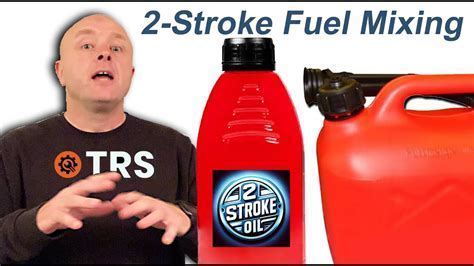
Another common cause of blue-tinged gasoline involves two-stroke engines, typically found in motorcycles, chainsaws, outboard motors, and lawn equipment. Two-stroke engines require a gasoline-oil mixture to lubricate engine components, since they lack a separate oil reservoir.
Manufacturers often add a blue dye to two-stroke oil. When mixed with gasoline, the resulting fuel blend takes on a bluish appearance. This color coding provides an immediate visual confirmation that the fuel has been correctly mixed, reducing the risk of engine damage from improper lubrication.
Seasonal and Regulatory Coloring Practices
In some regions, fuel distributors add dyes to gasoline seasonally or for regulatory purposes. For instance, winter and summer gasoline blends may be dyed differently to distinguish between formulations optimized for temperature extremes. Although not universally blue, some seasonal blends might adopt blue shades, depending on regional regulations and distributor practices.
Moreover, in certain countries, fuel intended for agricultural use or off-road vehicles is dyed distinct colors to prevent tax evasion. Although blue is less common for this purpose, it cannot be entirely ruled out depending on jurisdiction.
Color Coding in Racing Fuels
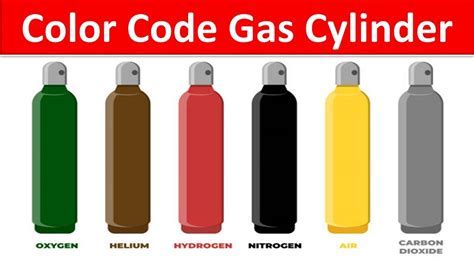
High-performance racing fuels are another arena where blue gasoline may appear. Specialized racing fuels are often dyed vivid colors—including blue—to identify different blends quickly. Such fuels may be engineered for unique combustion properties, offering enhanced performance, higher octane levels, or specific burn characteristics tailored to competitive racing environments.
In these settings, blue racing fuels not only help distinguish fuel types but also enhance brand identity and prevent misfuelling in high-stakes racing conditions.

Dyes and Fuel Quality
While dyeing fuel serves practical purposes, it is important to note that adding colorants does not affect the chemical performance of gasoline. The dyes are inert additives, meticulously tested to ensure they do not alter combustion properties or contribute to deposits within engines. Regulatory bodies, such as the Federal Aviation Administration (FAA) and Environmental Protection Agency (EPA) in the United States, oversee the approval of such additives to guarantee safety and performance.
The presence of a blue tint should never be interpreted as an indicator of fuel quality, potency, or freshness unless specifically designated by the fuel’s manufacturer.
Potential Risks of Misidentifying Blue Gasoline
Using the wrong type of blue-tinted fuel can have serious consequences. For instance, filling a standard automobile with AvGas 100LL can lead to engine fouling due to its high lead content. Similarly, using improperly mixed two-stroke fuel in a four-stroke engine can cause severe mechanical damage, fouling spark plugs, clogging fuel injectors, and causing inefficient combustion.
This underscores the necessity for clear labeling, proper storage, and user awareness when dealing with colored fuels.
Regional Variations and Historical Context
Historically, color-coded gasoline was more prevalent, particularly in contexts where different grades of leaded gasoline were sold alongside unleaded variants. In the mid-20th century, colors helped consumers identify the correct fuel for their engines during a period of rapid technological change in automotive engineering.
Today, in most countries, especially those following stringent environmental regulations, unleaded gasoline remains the norm, and the need for color differentiation at consumer pumps has diminished. Nonetheless, in aviation, motorsports, and specialized equipment markets, the legacy of colored fuels—including blue gasoline—persists strongly.
Frequently Asked Questions About Blue Gasoline
Is blue gasoline safe for regular cars?
Generally, no. Blue gasoline typically signifies AvGas, two-stroke mixtures, or specialized racing fuels, none of which are recommended for modern automobiles.
Does blue gasoline offer better performance?
Only within the applications it is designed for. Using aviation fuel in a car or racing fuel in a standard engine does not inherently boost performance and can cause significant harm.
Can you add dye to your gasoline?
Technically, yes, but it is unnecessary and, in some jurisdictions, illegal without proper licensing, especially if it complicates fuel taxation or quality controls.
Why don’t we see colored gasoline at regular pumps?
With the dominance of unleaded fuel and strict emissions regulations, there is no longer a widespread need for color differentiation at the consumer level.
Conclusion: A Blend of Chemistry, Safety, and Tradition
The presence of blue gasoline in various applications is not merely a curiosity but a deliberate choice rooted in safety protocols, operational efficiency, and regulatory compliance. Whether it is ensuring the correct fuel type for an aircraft, verifying a two-stroke mixture for a chainsaw, or distinguishing racing fuels at a pit stop, the use of blue dye provides vital information at a glance.
Thus, when encountering blue gasoline, it is essential to recognize it as a specialized product, purposefully crafted and colored to meet the specific needs of highly demanding engines and environments.