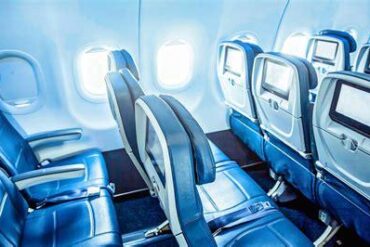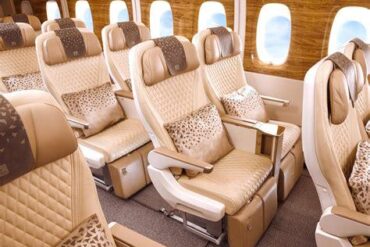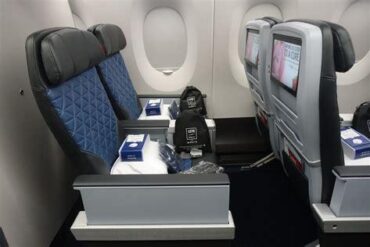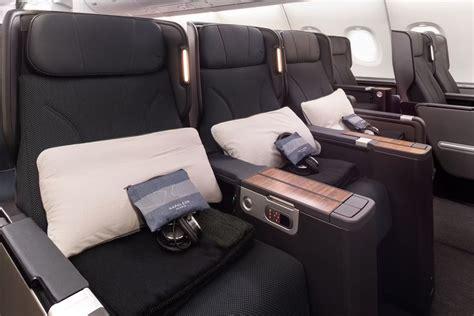
The modern airline cabin is a carefully engineered ecosystem of trade-offs, a balancing act between volume and value. Yet a small, intriguing subset of carriers has rejected that entire equation. These airlines operate aircraft with zero economy seats, deliberately sacrificing passenger count in favor of higher-yield travelers, superior comfort, and a radically simplified onboard experience.
This is not just a design decision. It is a strategic gamble—one that transforms the aircraft from a mass-transport machine into something closer to a flying boutique hotel. The result is a travel experience that feels quieter, faster, and more curated, but also one that lives dangerously close to the edge of economic volatility.
Why Airlines Usually Mix Cabins for Maximum Profit
To understand why all-premium aircraft are so unusual, it helps to grasp how most airlines actually make money. Contrary to popular belief, airlines are not simply selling seats—they are selling price-differentiated experiences across multiple customer segments.
A typical long-haul aircraft might include:
- Economy class for price-sensitive travelers
- Premium economy for comfort-seeking but budget-aware passengers
- Business or first class for high-yield customers prioritizing time and luxury
This multi-cabin structure allows airlines to spread risk across different traveler profiles. If business travel slows, leisure passengers can still fill seats. If budget demand weakens, premium fares can compensate. It is a system designed for resilience and revenue optimization.
Remove economy entirely, and that safety net disappears.
The All-Premium Concept: Fewer Seats, Higher Stakes
An all-premium airline begins with a bold premise: fewer passengers can generate more revenue—if each one pays significantly more.
Instead of squeezing 180–300 passengers into a narrow-body or wide-body aircraft, these carriers reduce capacity dramatically. The benefits are immediately tangible:
- Faster boarding and deplaning
- Quieter cabins with less congestion
- Higher crew-to-passenger ratios
- A consistent, elevated brand identity
This creates an experience that feels fundamentally different from traditional air travel. There is no hierarchy of discomfort. No crowded economy cabin behind a curtain. Just a single, cohesive product designed to appeal to travelers willing to pay for space, privacy, and calm.
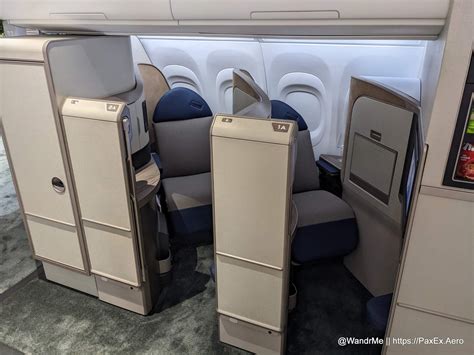
But here is the catch: every empty seat hurts more. With fewer passengers onboard, load factor becomes critical. A partially filled all-premium aircraft can quickly become unprofitable.
La Compagnie: The Purest All-Business Model
Among modern operators, La Compagnie stands as the clearest example of the all-premium philosophy executed with discipline.
Founded in 2013, the airline built its identity around a simple promise: 100% business-class flights at more accessible prices. Initially operating Boeing 757 aircraft, it later transitioned to the more efficient Airbus A321neo, refining both economics and passenger experience.
Its configuration is striking:
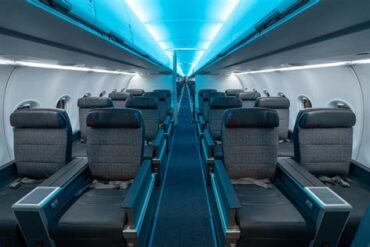
- Just 76 seats, all lie-flat
- A 2-2 layout, maximizing space per passenger
- Complimentary high-speed Wi-Fi
- Lounge access and streamlined ground services
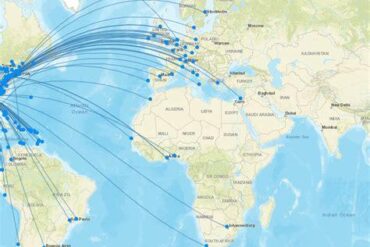
Routes focus heavily on the transatlantic corridor, particularly between Paris, Milan, Nice, and Newark. Rather than competing head-on with legacy giants, La Compagnie targets a niche: travelers who want business-class comfort without legacy-carrier pricing.
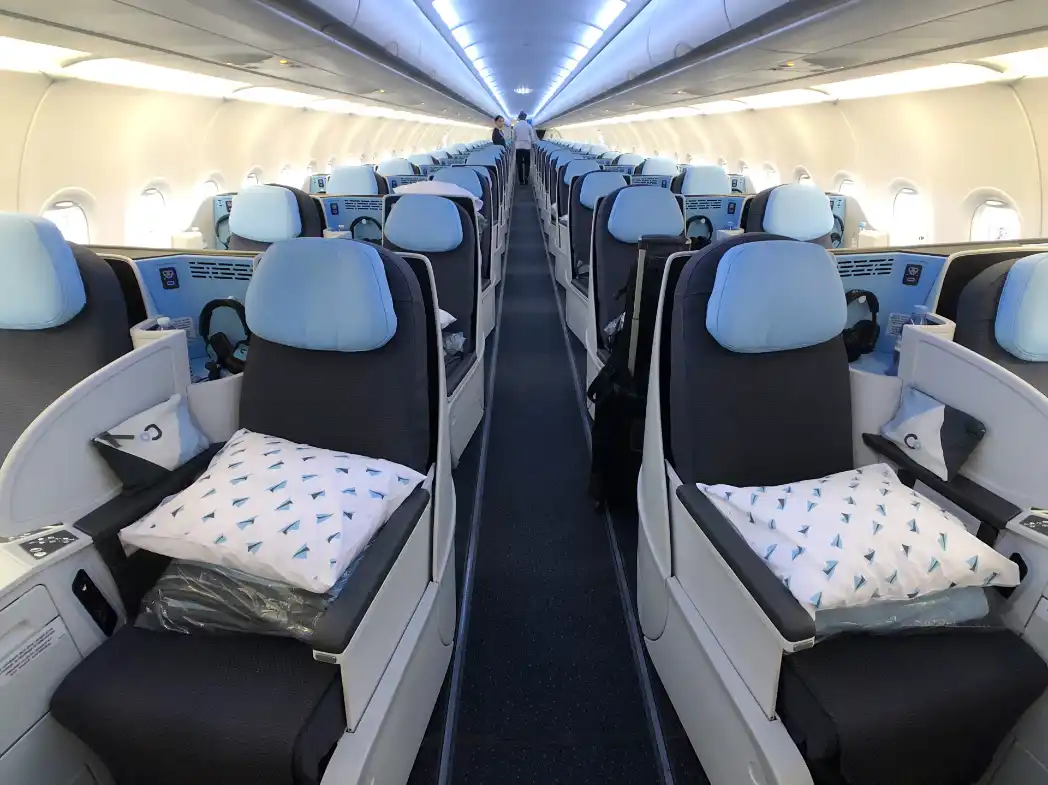
This positioning has allowed the airline to survive in a segment where many predecessors failed. Its success lies not in scale, but in precision targeting and operational restraint.
beOnd: Luxury Travel Begins in the Sky
Where La Compagnie focuses on business travelers, beOnd applies the all-premium model to high-end leisure travel.
Centered around routes to the Maldives, the airline transforms the journey into part of the vacation itself. Its aircraft—also based on the Airbus A321 platform—feature:
- Approximately 68 lie-flat seats
- A resort-style onboard atmosphere
- Direct connectivity from European and Middle Eastern cities to island destinations
The logic is elegant. Travelers spending thousands on luxury resorts are often willing to pay more for a seamless, premium journey from start to finish. In this context, eliminating economy is not a risk—it is a brand statement.
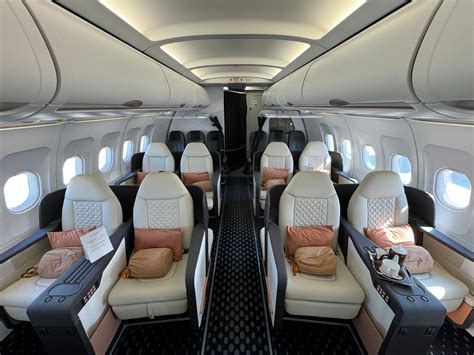
This approach reframes the aircraft as an extension of the destination, blurring the line between transportation and hospitality.
Singapore Airlines and the Ultra-Long-Haul Exception
Not all premium-only aircraft belong to all-premium airlines. Some exist as specialized subfleets within traditional carriers.
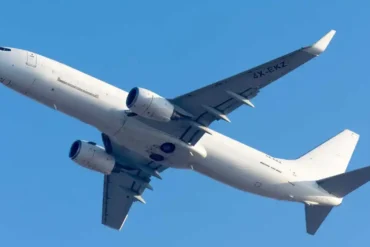
A prime example is Singapore Airlines, which operates the ultra-long-range Airbus A350-900ULR on routes approaching 19 hours. These aircraft feature:
- 67 business-class seats
- 94 premium economy seats
- Zero economy cabin
This configuration is not purely about luxury—it is also about physics and human endurance. Ultra-long-haul flights demand careful weight management and passenger comfort considerations. Packing in economy seats would increase density but degrade the experience on flights that stretch close to a full day in the air.
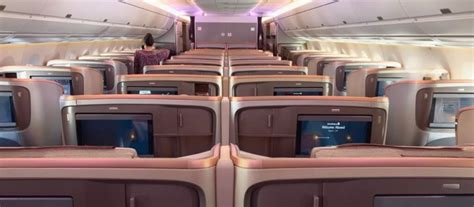
Here, the absence of economy is both a product decision and an engineering compromise, reflecting the unique constraints of extreme-distance travel.
Why All-Premium Airlines Feel So Different
Step into an all-premium aircraft, and the difference is immediate. The usual chaos of boarding is replaced by something closer to a controlled, almost serene flow. There are no bottlenecks of passengers searching for overhead space, no endless rows stretching into the distance.
The psychology of space plays a powerful role. With fewer people onboard, noise levels drop, service becomes more attentive, and the entire journey feels intentional rather than industrial.
This is not just comfort—it is perceived value engineering. Airlines are not merely selling larger seats; they are selling a completely different emotional experience of flying.
The Hidden Fragility of the All-Premium Model
The elegance of the concept hides a brutal economic truth: concentration risk.
Traditional airlines can rely on a mix of customers. All-premium carriers cannot. Their fortunes are tied almost entirely to travelers willing to pay higher fares. When conditions are favorable, this works beautifully. When they are not, the model becomes exposed.
Several factors amplify this vulnerability:
- Economic downturns that reduce business travel
- Corporate budget cuts limiting premium bookings
- Fluctuations in fuel prices
- Competitive pressure from legacy airlines discounting premium cabins
History provides cautionary tales. Earlier attempts at all-business-class airlines, such as MAXjet and Silverjet, collapsed under the combined weight of rising fuel costs and intensifying competition.
The pattern is consistent. When demand is strong, all-premium airlines look like visionary disruptors. When demand weakens, they can quickly become financially fragile.
Why the Model Still Persists in Today’s Market
Despite its risks, the all-premium concept continues to reappear. That persistence is not accidental—it reflects a deeper shift in traveler behavior.
Modern passengers, particularly in the premium leisure segment, increasingly prioritize:
- Experience over price
- Comfort over capacity
- Time efficiency over absolute cost savings
At the same time, aircraft technology has improved. Newer jets like the A321neo offer better fuel efficiency and range, making niche, lower-density operations more viable than in the past.
There is also a subtle cultural shift at play. For some travelers, flying is no longer just a means to an end. It is part of the journey—a space where design, service, and atmosphere matter.
The Strategic Trade-Off: Density vs Yield
At its core, the all-premium model is a study in trade-offs. Airlines must choose between:
- High density, lower fares, broader appeal
- Low density, higher fares, niche appeal
There is no universally correct answer. The optimal strategy depends on route structure, customer base, and broader economic conditions.
All-premium airlines sit at one extreme of this spectrum. They are specialists, not generalists. Their success depends on identifying and serving a very specific type of traveler with precision.
The Bottom Line: A High-Risk, High-Reward Aviation Strategy
All-premium aircraft represent one of the most fascinating experiments in modern aviation. They challenge the assumption that more passengers always mean more profit, replacing it with a more nuanced idea: the right passengers matter more than the total number of passengers.
When executed well, the model delivers:
- A differentiated, memorable passenger experience
- Strong yields from high-value customers
- A clear and compelling brand identity
But the margin for error is thin. External shocks—economic, competitive, or operational—can quickly destabilize the equation.
In the end, these aircraft are not just about luxury. They are about focus. Strip away the layers of airline complexity, and what remains is a simple, daring proposition: fewer people, better experience, higher stakes.
It is a reminder that even in an industry built on scale, there is still room for precision—and a bit of audacity at 35,000 feet.