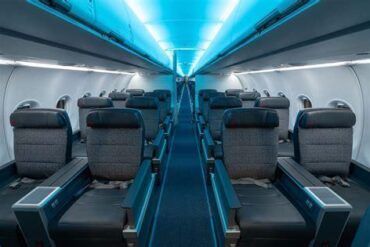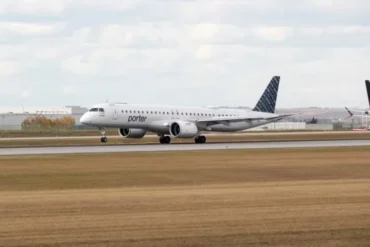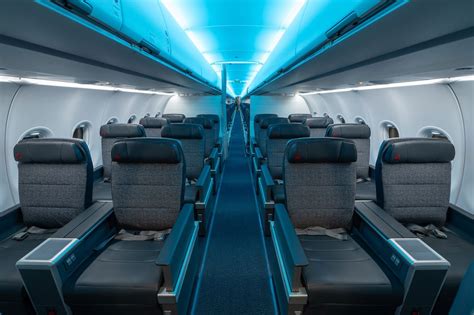
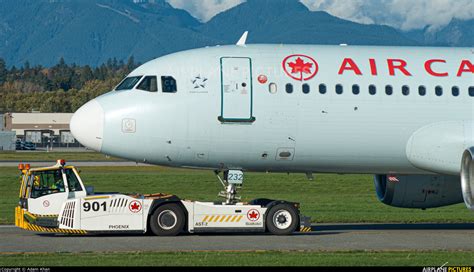
Air Canada operates many aircraft types, but none feel quite as purpose-built and quietly indulgent as the Jetz-configured Airbus A320. These aircraft look ordinary from the outside, yet inside they tell a very different story—one shaped around speed, discretion, and an unusually dense concentration of premium value. With just 70 all-business-class seats, these A320s occupy a rare niche between commercial aviation and private charter flying, and when they appear in scheduled service, they become one of the most compelling redemptions in the Canadian skies.
Originally designed for professional sports teams, touring artists, and corporate groups, the Jetz fleet has gradually become a flexible operational asset. When charter demand softens, Air Canada releases these aircraft into the public timetable, creating an unexpected opportunity for regular travelers to enjoy a near-private-jet experience on short- and medium-haul routes. The result is a cabin that feels serene, efficient, and unmistakably premium, even on flights barely over an hour long.
What makes this setup fascinating is not just the cabin itself, but where Air Canada chooses to deploy it. According to scheduling data, these aircraft currently appear across nine carefully selected route pairs. Each one reveals something about how premium demand, operational resilience, and loyalty strategy intersect inside a modern network airline.
The Jetz A320 is not about spectacle. It is about precision—fast boarding, minimal congestion, generous personal space, and timing that aligns perfectly with the needs of executives, politicians, and high-frequency travelers. That philosophy becomes clearer once the routes themselves come into focus.
A 70-Seat Cabin Designed For Speed And Flexibility
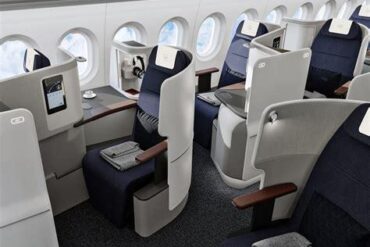
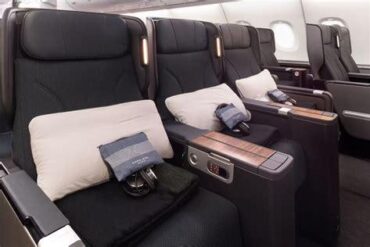
The most striking feature of the Jetz Airbus A320 is what it lacks. There is no economy cabin, no middle-seat calculus, and no competition for overhead bin space. Every passenger boards into a business-class seat, arranged to maximize aisle access and personal room rather than density. With barely half the seats of a typical A320, boarding completes in minutes, ground time shrinks, and the aircraft can pivot quickly between missions.
This configuration allows Air Canada to treat the aircraft as a surgical instrument. One day it might carry an NHL team with specialized catering and equipment loads. The next, it can protect the schedule during peak demand, replace a grounded mainline jet, or add premium capacity on a high-yield corridor. For passengers lucky enough to book one, the experience feels calm and unusually personal, even when flying between some of the busiest airports in North America.
The Nine Routes Where Jetz Quietly Shines
These all-business A320s currently appear on nine city pairs, each chosen for its mix of premium demand, short stage length, and network importance:
- Ottawa to Toronto Pearson
- Montreal to Toronto Pearson
- Ottawa to Montreal
- Toronto Pearson to Newark
- Toronto Pearson to LaGuardia
- Quebec City to Montreal
- Vancouver to Calgary
- Vancouver to Winnipeg
- Vancouver to Palm Springs
Toronto Pearson anchors nearly half of these routes, reinforcing its role as Air Canada’s premium nerve center. The eastern triangle linking Toronto, Ottawa, and Montreal stands out as particularly well suited to this aircraft, with dense government and corporate traffic that values schedule reliability more than fare discounts.
Why New York And Palm Springs Fit The Strategy
The inclusion of Newark and LaGuardia is especially revealing. These routes are typically timed for morning departures, enabling same-day returns and seamless connections into the U.S. financial and legal ecosystem. On these sectors, the Jetz A320 functions almost like a transborder shuttle for decision-makers, offering consistency and calm in markets where delays and congestion are common.
Palm Springs, by contrast, shows the aircraft’s leisure-side versatility. This is a destination with strong premium demand, especially during winter months, and the all-business layout aligns perfectly with affluent travelers who prioritize comfort over price. The aircraft can serve this market without committing a widebody or reconfiguring mainline capacity.
Western Canada And The Logic Of Premium Density
Out west, Vancouver-based routes dominate the picture. Flights to Calgary, Winnipeg, and Palm Springs form a compact cluster that keeps the aircraft within easy reach of base while tapping into business and premium-leisure flows. These markets support higher yields, shorter turns, and strong loyalty engagement, especially among Aeroplan members who recognize the outsized value of redeeming points for a true business-class seat on a narrowbody.
The absence of economy seating also simplifies service. Catering, crew workflows, and boarding processes all benefit from uniformity, allowing the aircraft to maintain tight schedules even during operational disruptions.
A Hidden Gem For Aeroplan Members
For frequent flyers, the Jetz A320 represents a rare sweet spot. Award pricing often mirrors standard short-haul business class, yet the experience feels markedly elevated. Fewer passengers mean quieter cabins, faster deplaning, and a sense of exclusivity that is difficult to replicate on conventional narrowbodies.
This is not marketed as a luxury product, which is precisely why it remains special. Travelers often discover they are on a Jetz aircraft only after selecting seats or boarding the flight, turning an ordinary commute into an unexpectedly refined journey.
A Subtle Signal Of Network Intelligence
Air Canada’s use of the Jetz Airbus A320 is a study in network intelligence rather than branding. These aircraft exist to solve problems—capacity mismatches, charter demands, premium peaks—while quietly enhancing the passenger experience when circumstances allow. The nine routes where they appear are not random; they are carefully chosen corridors where a 70-seat, all-business jet makes both economic and operational sense.
In an industry obsessed with scale and density, the Jetz A320 proves that sometimes the most effective tool is the most specialized one.