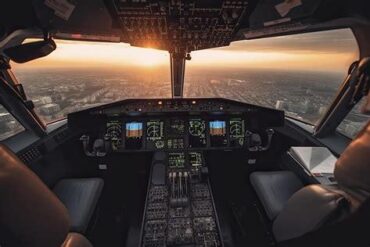
The moment an aircraft lifts off the runway, most passengers settle back, exhale, and assume the hardest part of the journey is over. From the cabin, it feels like a transition from intensity to calm—engines humming steadily, the city shrinking below, and the sky opening ahead. But behind the reinforced cockpit door, the story is entirely different. The workload doesn’t fade; it evolves into a precise, methodical rhythm of decisions, monitoring, and constant anticipation.
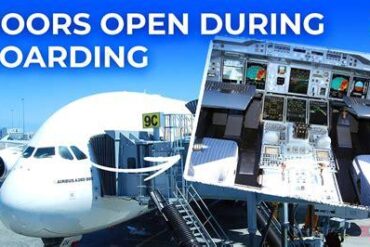
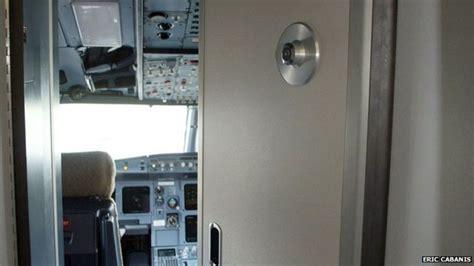
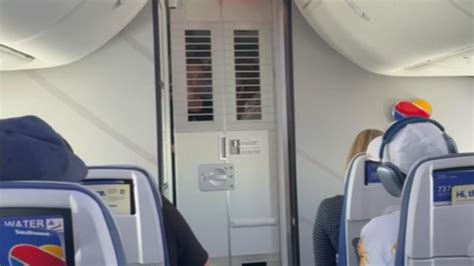
For decades, the cockpit carried a sense of wonder. Before the sweeping aviation changes triggered by the events of September 2001, passengers—especially children—were occasionally invited into the flight deck mid-flight. Those brief encounters often sparked lifelong fascination. Today, that door is sealed, secured by reinforced materials, surveillance systems, and strict access protocols. While this transformation dramatically improved safety, it also created a barrier of mystery.
That mystery, for many travelers, feeds unnecessary anxiety. The reality inside the cockpit is far from chaotic or dramatic. It is a world defined by discipline, routine, and layered safety systems. Understanding what truly happens after takeoff reveals not only the complexity of modern aviation but also the extraordinary level of care that underpins every flight.
The First Critical Minutes After Liftoff
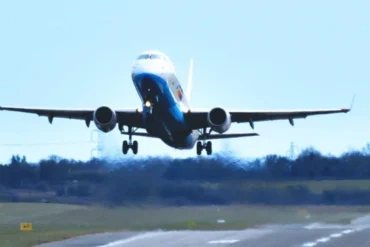
Immediately after takeoff, the cockpit is at its busiest. Every movement is deliberate, every call precise. As the aircraft climbs away from the runway, one pilot announces “positive climb,” confirming that the aircraft is gaining altitude. The response—“gear up”—follows instantly, initiating the retraction of the landing gear. This single action reduces drag and allows the aircraft to accelerate more efficiently into the climb.
Passengers often notice a subtle shift shortly afterward—a slight reduction in engine noise or thrust. This is not a sign of trouble but a carefully planned transition. Once the aircraft reaches a safe altitude, pilots reduce engine power from takeoff thrust to climb thrust. This adjustment protects engine longevity and improves fuel efficiency without compromising safety.
At the same time, the aircraft undergoes a gradual transformation into what pilots call a “clean configuration.” Flaps, which provided additional lift during takeoff, are retracted in stages as speed increases. Each step is calculated, ensuring optimal aerodynamic performance while maintaining stability.
Inside the cockpit, this phase demands unwavering concentration. The pilots are monitoring engine performance, verifying climb rates, cross-checking instruments, and maintaining communication with air traffic control. Every parameter must align perfectly. There is no room for assumption—only verification.
The Sterile Cockpit: Silence with Purpose
During the initial climb, the cockpit enters what is known as a “sterile” phase. This concept is simple but powerful: eliminate all non-essential communication to protect focus during critical moments. No casual conversation, no routine cabin calls—only operational dialogue directly related to the flight.
This disciplined silence is not about rigidity; it is about reducing cognitive load. The human brain, even at its best, can be distracted. In aviation, distraction is the enemy of precision. By maintaining a sterile environment, pilots ensure that every decision is made with full attention.
Simultaneously, they are monitoring the Traffic Collision Avoidance System (TCAS), a sophisticated layer of safety that provides real-time awareness of nearby aircraft. While air traffic control manages separation, pilots actively verify that separation independently. Redundancy is not optional in aviation—it is fundamental.
Climbing Through Complexity: Systems, Signals, and Strategy
As the aircraft climbs through 10,000 feet, the nature of the workload begins to shift. Certain routine actions take place almost automatically, but never casually. Exterior lights are adjusted, speed restrictions are lifted, and the aircraft accelerates toward its climb profile.
Yet behind these seemingly routine steps lies a surprising amount of complexity. Pilots begin managing not just the aircraft’s physical performance, but also its digital and logistical environment. Communication systems are configured for long-range operations, including data link systems that allow text-based exchanges with controllers.
Altitude cross-checks become a recurring ritual. At key levels—20,000 feet, 30,000 feet—both pilots confirm that their instruments match precisely. This continuous verification ensures that no discrepancy goes unnoticed.
At the same time, the crew is already thinking far ahead. Weather patterns, air traffic congestion, and route efficiency are constantly evaluated. The climb is not just a vertical journey—it is the beginning of a strategic process that will continue for the entire flight.
Crossing Into Cruise: A Shift, Not a Pause
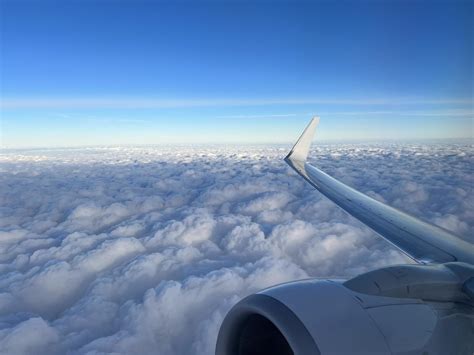
Reaching cruise altitude might seem like the moment when pilots can finally relax. In reality, it marks a transition into a different kind of workload—one that is less visible but equally demanding.
The first task is coordination. The cockpit informs the cabin crew that the aircraft has reached its cruising level, allowing them to begin service operations. This simple communication ensures synchronization across the entire aircraft.
But while passengers are being served meals and drinks, the cockpit becomes a hub of continuous analysis. Weather systems are tracked in real time, not just at the destination but across the entire route. Turbulence forecasts, wind patterns, and storm developments all influence ongoing decisions.
Fuel management becomes a central focus. Contrary to common belief, aircraft do not simply carry as much fuel as possible. Every additional kilogram increases weight, and increased weight leads to higher fuel burn. Pilots must strike a delicate balance between safety margins and efficiency.
They continuously compare actual fuel consumption against planned values, adjusting strategies if necessary. If conditions change—stronger headwinds, unexpected rerouting—the plan evolves. Nothing is static.
The Hidden Science of Fuel and Performance
Fuel planning in aviation is both an art and a science. Each flight carries multiple layers of fuel reserves: trip fuel for the journey itself, contingency fuel for unforeseen circumstances, alternate fuel for diversions, and final reserve fuel for emergencies.
This layered approach ensures that even in unexpected scenarios, the aircraft remains within safe operational limits. But it also requires constant monitoring. Pilots track fuel burn throughout the flight, ensuring that actual performance aligns with projections.
As the aircraft becomes lighter—burning fuel along the way—it gains the ability to climb higher. These step climbs are not random; they are calculated moves to optimize efficiency. Higher altitudes often mean thinner air, reduced drag, and lower fuel consumption.
This dynamic adjustment is one of the defining features of modern airline operations. The flight is not a fixed path but a continuously optimized journey shaped by real-time data.
Highways in the Sky: Organized Chaos Made Precise
In busy airspace, particularly over oceans, aircraft follow structured routes known as organized track systems. These “highways in the sky” are designed to maximize efficiency while maintaining safe separation between aircraft.
Each day, these tracks are adjusted based on prevailing winds. Westbound flights aim to avoid strong headwinds, while eastbound flights seek to harness jet streams for faster travel times. This dynamic system ensures that traffic flows smoothly across some of the world’s busiest corridors.
Inside the cockpit, pilots monitor these routes closely. They communicate with controllers using both voice and data link systems, ensuring that every position, altitude, and intention is clearly understood.
They also maintain listening watches on emergency frequencies and communicate with nearby aircraft when necessary. This network of communication creates a collaborative environment where information is constantly shared, enhancing safety for everyone in the sky.
Prepared for the Unexpected: Alternate Planning and Decision Making
One of the most critical aspects of cruise management is preparing for situations that may never occur. Pilots continuously evaluate potential diversion airports along their route, considering factors such as weather conditions, runway availability, and operational capabilities.
On a transatlantic flight, this might include airports in Ireland, Iceland, Canada, and the Azores. Each option is assessed long before it might be needed. This proactive approach ensures that, in the event of a medical emergency or technical issue, decisions can be made quickly and confidently.
Weather monitoring plays a central role in this process. Conditions at the destination—and at alternate airports—are analyzed well in advance. If forecasts indicate potential challenges, fuel strategies and routing decisions are adjusted accordingly.
This constant state of readiness is what defines professional aviation. It is not about reacting to problems; it is about anticipating them.
Life Inside the Cockpit: Human Factors and Quiet Discipline
Despite the advanced technology, the cockpit remains a human environment. Pilots manage fatigue, maintain situational awareness, and support each other through structured communication and teamwork.
Even small details reflect this philosophy. Pilots are typically served different meals to reduce the already minimal risk of foodborne illness affecting both crew members simultaneously. It may seem excessive, but in aviation, redundancy is a cornerstone of safety.
Moments of routine—stretching legs, grabbing a coffee, exchanging brief observations—are balanced against the need for constant vigilance. Automation handles many tasks, but it does not replace human oversight. Pilots remain actively engaged, ready to intervene at any moment.
Automation: A Tool, Not a Replacement
Modern aircraft are equipped with highly sophisticated automation systems. These systems manage navigation, speed, altitude, and more with remarkable precision. But automation does not eliminate the role of the pilot—it reshapes it.
Pilots become managers of systems rather than manual operators. They monitor inputs, verify outputs, and ensure that the automation is behaving as expected. If something deviates, they step in immediately.
This relationship between human and machine is built on trust, but also on verification. Automation can reduce workload, but it requires oversight. The cockpit is never passive; it is a constant dialogue between pilot and system.
The Reality Behind the Door
From the outside, the cockpit may seem like a place of calm detachment once the aircraft reaches cruising altitude. In truth, it is a dynamic environment where hundreds of small decisions are made continuously.
Pilots are not simply “flying” the aircraft in the traditional sense. They are managing a complex system that includes weather, fuel, navigation, communication, and human factors. Every action is guided by procedures, every decision supported by data.
This is the reality behind the locked door: not mystery, not drama, but precision and professionalism. It is a world where safety is not a single action but a continuous process, built on layers of preparation, monitoring, and disciplined execution.
Why Understanding This Matters for Passengers
For nervous travelers, the unknown can be unsettling. Turbulence, engine noise changes, or unexpected announcements can trigger concern. But understanding what happens behind the cockpit door transforms that uncertainty into reassurance.
Every phase of flight is carefully managed. Every system is monitored. Every potential risk is anticipated. The pilots at the front are not reacting blindly—they are operating within a framework designed to handle both routine operations and unexpected challenges.
The aircraft may appear to glide effortlessly through the sky, but that smooth journey is the result of constant attention and expertise. Behind the door, nothing is left to chance.
The Bottom Line: A Profession Built on Precision
What truly happens after takeoff is not a reduction in effort but a transformation of it. The intensity of departure gives way to sustained, methodical management. From climb performance to cruise optimization, from weather monitoring to contingency planning, the cockpit remains a center of continuous activity.
This is the essence of modern airline flying: a profession defined not by dramatic moments, but by the consistent execution of countless small tasks done exceptionally well. It is a discipline where preparation meets precision, and where safety is the outcome of relentless attention to detail.
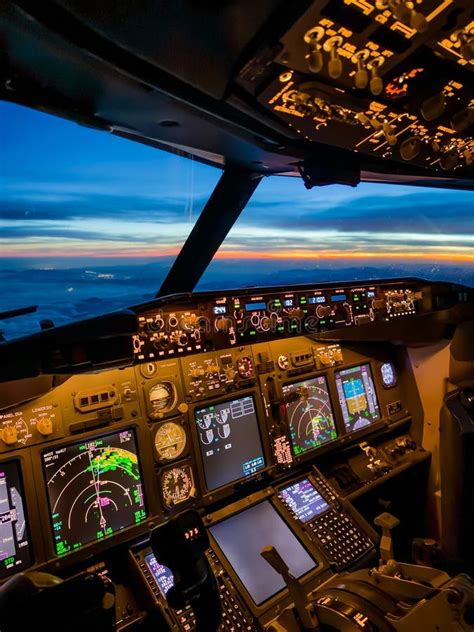
Behind the locked cockpit door, there is no chaos—only clarity.