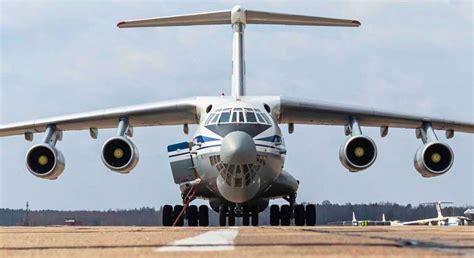
Flying is often associated with comfort, convenience, and carefully curated experiences—but step inside a military transport aircraft, and that illusion dissolves instantly. This is aviation stripped to its core purpose: movement, power, and mission readiness. There are no soft landings into luxury here—only the raw mechanics of airlift in its most uncompromising form.
A Cabin Built for Purpose, Not Passengers
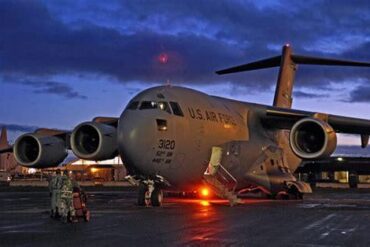
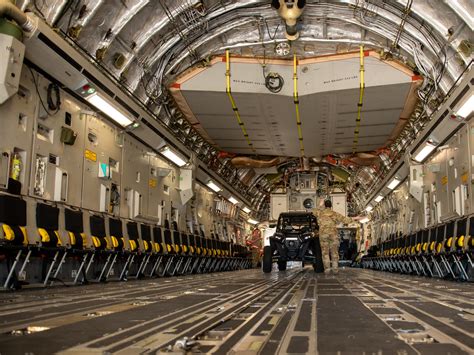
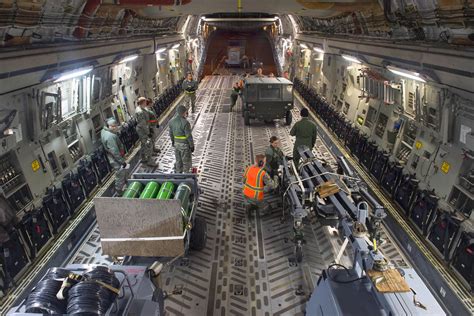
The first impression inside a military transport aircraft like the C-17 Globemaster III is unmistakable: it feels less like boarding a plane and more like entering a flying warehouse. The polished finishes of commercial jets are replaced by exposed structural ribs, wiring bundles, and ventilation ducts snaking across the ceiling. Every surface has a function—and none of them are aesthetic.
Passengers don’t walk down aisles—they step into a cavernous cargo bay designed to swallow tanks, helicopters, and entire units of personnel. The scale alone is disorienting. Standing inside, the aircraft feels vast enough to echo.
The absence of refinement is deliberate. Every pound saved from luxury translates into payload capacity. Every inch of space serves operational flexibility.
Seating That Redefines “Basic”
Forget reclining seats, adjustable headrests, or even the idea of personal space. Most passengers sit along the sidewalls on fold-down webbed seats, facing inward. Your back presses against the aircraft’s cold metal frame, and your knees often align with the boots of the person sitting opposite.
Takeoff and landing feel especially unusual in this configuration. Without forward-facing orientation, your sense of motion shifts. Acceleration pushes sideways, and braking feels like being gently pulled across the aircraft rather than forward.
For larger movements, palletized seating rows are installed in the center—closer to what you’d expect on a commercial jet, but still unmistakably utilitarian. Even then, comfort is minimal.
And yes, people do lie on the floor. On long-haul flights, once cruising altitude is reached, the cargo deck becomes an improvised sleeping area. Thin mats, sleeping bags, or whatever insulation passengers brought along become essential survival tools against the cold metal beneath.
The Sound: A Constant, Relentless Roar
Silence does not exist aboard a military transport aircraft. The moment engines spool up, the environment transforms into a wall of sound.
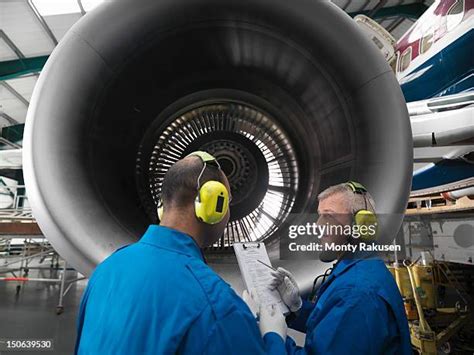
Even though the engines share lineage with commercial aircraft, they are tuned for performance—not comfort. The result is a deep, continuous roar that fills every inch of the aircraft. Conversation becomes a challenge, requiring raised voices or exaggerated gestures.
Ear protection isn’t optional—it’s survival. Foam earplugs are standard issue, and seasoned passengers often double up with noise-canceling headphones. Without them, even a short flight can feel exhausting.
Temperature Swings and Survival Mode Packing
Temperature control inside the aircraft is inconsistent at best. The rear section can feel like a refrigerated warehouse, while the middle of the cabin might be noticeably warmer. There’s no fine-tuned climate system catering to passenger comfort.
Dressing in layers isn’t just advice—it’s strategy. Many experienced flyers bring:
- Heavy jackets or thermal layers
- Gloves and hats
- Sleeping bags or insulated pads
Because once you’re airborne, there’s no adjusting the thermostat. You adapt—or you endure.
No Frills, No Service—Only Function
There are no flight attendants moving through aisles with beverages and meals. No entertainment screens. No cabin announcements about duty-free shopping.
Passengers are responsible for everything.
Meals usually consist of pre-packed rations—commonly referred to as “boxed nasties.” These are functional, calorie-dense, and entirely uninspiring. Hydration comes from shared water containers, and bringing your own bottle is essential.
Electric outlets are scarce and often shared. Power strips become surprisingly valuable currency among passengers.
Even the lavatory, typically located at the front, is basic—but compared to older aircraft, it’s considered a luxury.
Takeoff: A Surge of Raw Power
Despite its massive size, the aircraft delivers a takeoff experience that feels closer to a rocket launch than a gentle climb.
When lightly loaded, acceleration is aggressive. The engines push the aircraft forward with startling force, and within seconds, the runway disappears beneath you. The climb can be steep, adding to the sensation that this machine is built for urgency—not comfort.
There’s a visceral thrill to it—an unmistakable reminder that this aircraft is engineered for performance in demanding environments.
Sleeping on Steel at 35,000 Feet
Once the aircraft reaches cruising altitude, the rigid structure of military discipline softens slightly. Seatbelts come off, and passengers begin transforming the cargo hold into a temporary living space.
People stretch out on the floor, using backpacks as pillows. Some tuck themselves between cargo pallets for stability. Others lean against the walls, finding whatever position offers the least discomfort.
Sleep comes in fragments. The noise never fades completely, and the environment remains too foreign for deep rest. But exhaustion eventually wins.
There’s something oddly communal about it. Strangers sharing space, adapting together, and enduring the same conditions—it builds a quiet sense of connection.
Who Flies on These Aircraft?
Military transport flights carry a diverse mix of passengers, each with a different purpose but the same destination: wherever the mission requires.
You’ll find:
- Active-duty military personnel deploying or returning home
- Entire units moving across continents
- Families relocating to overseas bases
- Government contractors
- Occasionally, off-duty personnel traveling on available space
The atmosphere reflects this mix. Some passengers are seasoned veterans of these flights, moving with practiced efficiency. Others are experiencing it for the first time, wide-eyed and slightly overwhelmed.
Cargo Comes First—Always
Passengers are secondary to cargo. That reality shapes the entire experience.
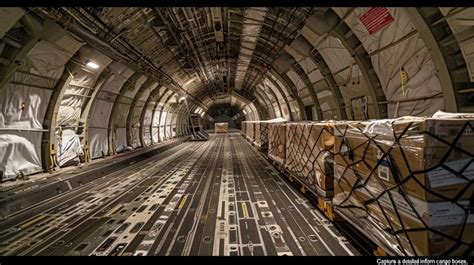
The center of the aircraft is often occupied by massive pallets, vehicles, or equipment. Tanks, armored vehicles, and crates of supplies dominate the space. Sometimes they block visibility across the cabin entirely.
Everything is secured with precision. Loadmasters calculate weight distribution carefully, ensuring the aircraft’s center of gravity remains within strict limits. It’s a complex balancing act that passengers rarely see—but always depend on.
Extreme Missions, Extraordinary Adaptation
In crisis situations, the aircraft transforms completely.
Traditional seating is removed, and the cargo bay becomes an open space capable of carrying hundreds of people. Passengers sit shoulder-to-shoulder on the floor, often with minimal restraints.
These configurations push the aircraft beyond its intended passenger capacity—but demonstrate its unmatched flexibility.
The risks increase significantly. Turbulence becomes more dangerous. Landings demand precision. Yet in these moments, the aircraft becomes a lifeline—capable of evacuating large numbers of people in a single flight.
Tactical Landings: Precision Under Pressure
When operating in hostile or uncertain environments, the aircraft’s flight profile changes dramatically.
Instead of gradual descents, it can execute rapid drops from high altitude, minimizing exposure to potential threats. The descent rates can feel intense—far removed from the smooth approaches of commercial aviation.
Landings often occur on short, unpaved runways. Dirt, gravel, or makeshift airstrips are all within capability. The aircraft’s design allows it to absorb these conditions and deliver cargo exactly where it’s needed.
Passengers feel every bump, every shift in momentum. It’s controlled—but unmistakably raw.
The Global Network Behind the Missions
These aircraft operate within a vast global network of airbases, connecting continents with remarkable efficiency.
Flights frequently link major hubs across the Pacific, Europe, and the Middle East. Routes stretch across oceans, often lasting 8 to 12 hours, with minimal stops and maximum efficiency.
Despite the scale, the experience remains consistent: practical, demanding, and focused entirely on mission success.
Space-Available Travel: A Unique Opportunity
Occasionally, unused seats are made available to eligible passengers through space-available travel programs. It’s an opportunity to experience military airlift firsthand—but with no guarantees.
Flights can be delayed, rerouted, or canceled based on operational needs. Flexibility is essential. Those who take advantage of it often do so for the experience as much as the transportation.
And what an experience it is.
The Psychology of the Journey
Flying in a military transport aircraft changes your perception of travel.
Without distractions, without comfort, and without the curated experience of commercial aviation, you become acutely aware of the journey itself. The noise, the vibration, the cold air—it all demands attention.
Time feels different. Hours stretch and compress unpredictably. There’s no entertainment to mark progress—only the steady hum of engines and the gradual passage of distance.
It’s not comfortable. But it’s real.
Why It Leaves a Lasting Impression
There’s a reason people remember these flights long after they’ve landed.
It’s not just the discomfort or the novelty—it’s the authenticity. This is aviation in its most honest form. Every element serves a purpose. Every feature exists because it’s necessary.
And in that stripped-down environment, something unexpected emerges: appreciation.
Appreciation for the engineering that keeps the aircraft airborne. For the crews who operate it under demanding conditions. And for the sheer capability of a machine designed to move anything, anywhere, at any time.
A Different Kind of Flying Experience
Flying in a military transport aircraft isn’t about luxury or convenience—it’s about perspective.
It reveals what flight looks like when comfort is removed and purpose takes over. It shows how adaptable aviation can be when pushed to its limits. And it delivers an experience that’s as unforgettable as it is unconventional.
No reclining seat, no in-flight meal, no entertainment system could ever replicate it.
Because this isn’t travel. It’s movement with intent.