Origins of the F-16 Netz
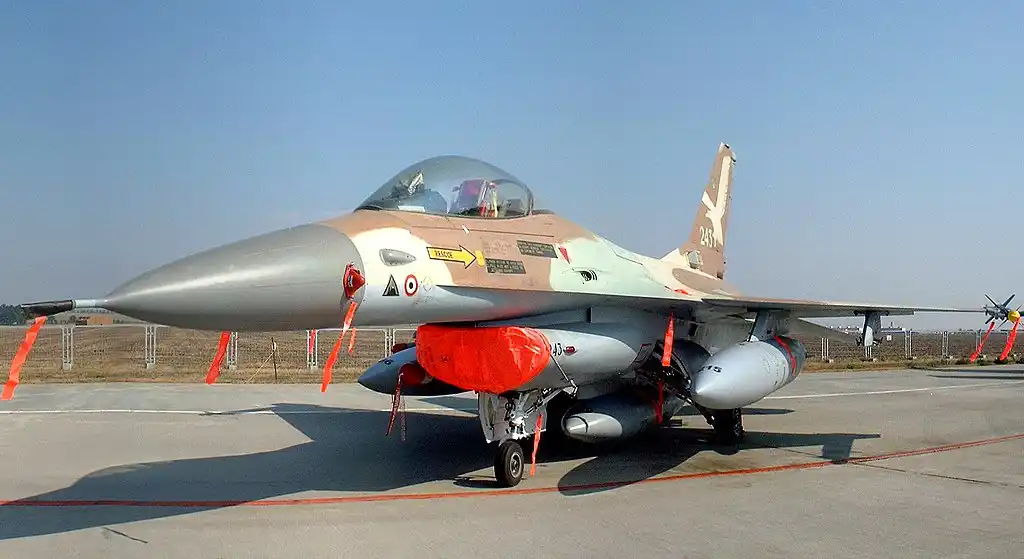
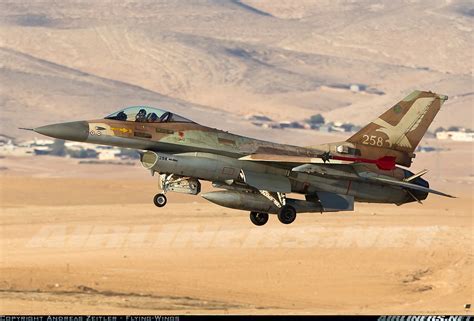
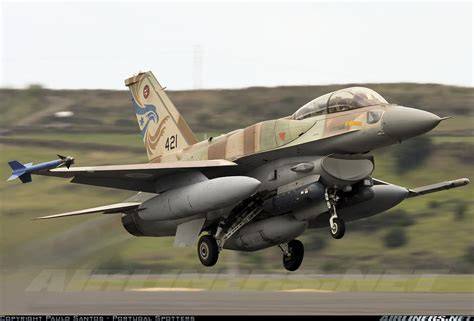
The F-16 Netz is the Israeli designation for the F-16A/B Block 10/15, a variant of the widely used F-16 Fighting Falcon. Israel was among the earliest international adopters of the F-16, receiving its first units in 1979. These aircraft played a crucial role in the modernization of the Israeli Air Force (IAF) and became a cornerstone of its aerial supremacy.
Israel’s initial procurement included 75 F-16A/B Block 10 aircraft, later upgraded to Block 15 standards. Over the years, Israel expanded its fleet, eventually acquiring more than 250 F-16 variants, including the later C/D models and the specially modified F-16I “Sufa”.
Design Features and Performance Advantages
The F-16 Netz retained the fundamental characteristics of the original F-16 Fighting Falcon, a platform known for its high maneuverability, fly-by-wire controls, and cost-effective operational capabilities. Its aerodynamic design, incorporating a blended wing-body structure, enhances lift and reduces drag, making it exceptionally agile in dogfights.
Aerodynamic Superiority
The Netz was engineered for extreme agility, featuring:
- Relaxed static stability, which improves responsiveness.
- 9G maneuverability, allowing sharp turns and superior dogfighting performance.
- Thrust-to-weight ratio of 1.4:1, significantly outpacing contemporary fighter aircraft.
Advanced Avionics and Weapons Integration
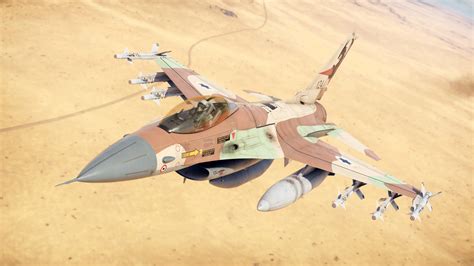
Israel modified the F-16 Netz with locally developed electronic warfare (EW) suites and compatibility with indigenous weapons. Enhancements included:
- Python-3 and Python-5 air-to-air missiles, vastly improving beyond-visual-range (BVR) combat effectiveness.
- Upgraded radar systems for improved target detection and engagement.
- Secure communications and countermeasures, ensuring operational security in electronic warfare environments.
These modifications tailored the F-16 Netz to the unique challenges of the Middle Eastern battlefield, enhancing its lethality and survivability.
Combat History and Operational Significance
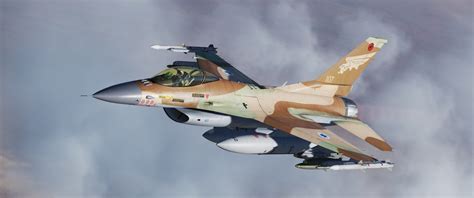
The F-16 Netz gained global recognition for its combat effectiveness, particularly in the 1982 Lebanon War during the famous Bekaa Valley air battle. Partnering with F-15 Eagles, the F-16 Netz achieved an astonishing 40:0 kill ratio against Syrian MiG-21 and MiG-23 fighters, solidifying its dominance in aerial combat.
Key Combat Achievements
- Operation Opera (1981): The F-16 Netz executed the daring raid on Iraq’s Osirak nuclear reactor, successfully destroying the facility before it became operational.
- 1982 Bekaa Valley Air Battle: F-16 Netz fighters, in conjunction with Israeli F-15s, eliminated dozens of Syrian aircraft without suffering any losses.
- Ongoing Counterterrorism Operations: The Netz remained a critical component of Israel’s air operations, frequently engaging hostile targets in Gaza, Lebanon, and Syria.
These victories reinforced Israel’s strategic air power and showcased the F-16 Netz’s exceptional combat capabilities.
Global Influence and Legacy
The success of the F-16 Netz influenced global military procurement strategies. Several NATO nations, including Belgium, Norway, Denmark, and the Netherlands, jointly ordered 350 F-16s in the 1980s. At a unit cost of $4.6 million per aircraft, the F-16 was significantly more cost-effective than contemporary fighter jets.
The Evolution Beyond Netz
Following the Netz’s success, Israel expanded its F-16 fleet with newer models:
- F-16C/D “Barak”: Enhanced multirole capabilities and improved avionics.
- F-16I “Sufa”: A specialized variant featuring conformal fuel tanks, advanced radar, and long-range strike capabilities.
The F-16 Netz retired from frontline service in the IAF but remains an integral part of military aviation history. Many of these aircraft have been sold to foreign air forces or converted into aggressor training units, ensuring their continued operational relevance.
FAQs About the F-16 Netz
1. What makes the F-16 Netz different from standard F-16s?
The F-16 Netz is based on the F-16A/B Block 10/15 models but includes Israeli-specific modifications, such as locally integrated weapons, enhanced electronic warfare systems, and upgraded avionics for superior combat performance.
2. How many enemy aircraft did the F-16 Netz shoot down?
The F-16 Netz played a crucial role in multiple air battles, particularly the 1982 Bekaa Valley campaign, where it contributed to a 40:0 kill ratio against Syrian MiGs.
3. Is the F-16 Netz still in service today?
While the F-16 Netz has been retired from frontline duty, many aircraft remain in secondary roles, including training, aggressor squadrons, and foreign military sales to allied nations.
The F-16 Netz remains a testament to Israel’s ingenuity, operational excellence, and the enduring legacy of the F-16 platform.