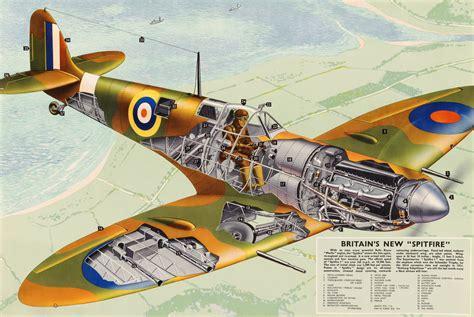
Ninety years after the Supermarine Spitfire first lifted into the skies above Britain, one of aviation history’s most revered aircraft is preparing for an extraordinary second act. The aircraft that became a symbol of British resilience during the Second World War is now inspiring a modern recreation project that blends historic design with contemporary aerospace engineering. Known as the Aerolite Spitfire Type 433, the ambitious initiative seeks to expand the surviving Spitfire fleet with a newly manufactured two-seat aircraft designed for the modern era.
The original Supermarine Spitfire occupies a rare place in aviation history. Sleek, fast, and instantly recognizable thanks to its elegant elliptical wings, the aircraft became synonymous with the Royal Air Force during the Battle of Britain in 1940. Alongside the Hawker Hurricane, it defended British airspace against relentless Luftwaffe attacks and quickly evolved into a national icon. Even decades after the war, the Spitfire remains one of the most celebrated piston-engine fighters ever built.
Despite the aircraft’s enduring popularity, surviving original Spitfires are exceedingly rare and extraordinarily expensive. Airworthy examples often command prices around £3 million ($4 million), placing ownership beyond the reach of almost every aviation enthusiast. Maintenance costs, preservation concerns, and the scarcity of replacement parts further complicate operation of the aging warbirds.
The creators behind the Aerolite Spitfire Type 433 believe they have found a way to preserve the emotional and historical appeal of the aircraft while dramatically reducing the barriers to ownership and operation.
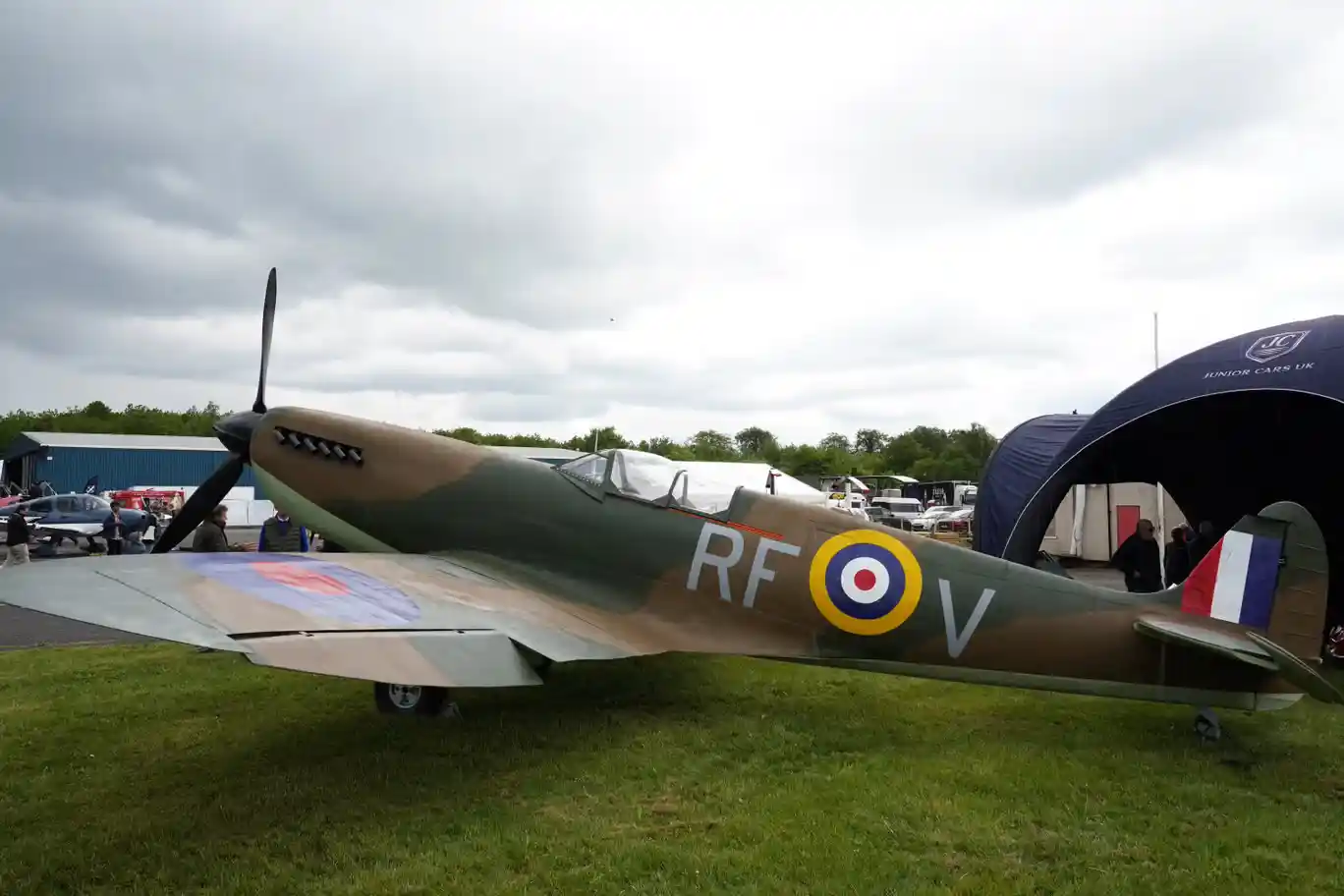
A Modern Spitfire Designed For A New Generation
Unlike original wartime-built Spitfires, the Aerolite Spitfire Type 433 incorporates advanced composite construction techniques. The use of lightweight modern materials allows the aircraft to maintain the visual DNA and handling characteristics associated with the classic fighter while introducing practical benefits that were impossible during the 1940s.
One of the most significant advantages is weather resistance. Traditional Spitfires require meticulous storage conditions and expensive hangar facilities to protect their aging metal structures from corrosion and deterioration. The composite-based Type 433 dramatically reduces those concerns, potentially allowing owners far greater operational flexibility and lower long-term maintenance costs.
The project’s leadership has emphasized that the aircraft is not intended to be a crude imitation or static replica. Instead, the objective is to recreate the sensation of flying a Spitfire while integrating modern avionics, updated systems, and enhanced reliability standards suitable for contemporary private aviation.
Great British Supermarine CEO Jeremy Meeson described the philosophy behind the aircraft as a careful balance between heritage and innovation. According to Meeson, the design retains the aircraft’s original spirit through its lightweight performance, pilot responsiveness, and unmistakable silhouette, while simultaneously introducing intelligent avionics and modern power systems.
The decision to develop the aircraft as a two-seat configuration is especially important. Operational two-seat Spitfires remain extremely rare worldwide, with only a limited number currently flying. These aircraft are highly sought after for heritage flights and aviation experiences, giving passengers the rare opportunity to experience the sound, speed, and atmosphere of one of history’s greatest fighters firsthand.
Why The Spitfire Still Captivates Aviation Enthusiasts
The continued fascination surrounding the Spitfire is not simply nostalgia. The aircraft represented a technological masterpiece of its era, combining beauty and combat capability in a way few military aircraft ever achieved. Designed by Reginald Mitchell, the Spitfire evolved through dozens of variants during the Second World War and remained in frontline service long after the conflict ended.
More than 20,000 Spitfires were built, making it the most-produced British aircraft in history. Yet despite those impressive numbers, only a fraction survive today, and even fewer remain airworthy.
For many aviation historians and enthusiasts, the emotional appeal of the Spitfire lies in what it symbolized during Britain’s darkest wartime moments. The aircraft became deeply linked with national survival during the Battle of Britain, where RAF fighter pilots fought against overwhelming odds to prevent invasion. The Spitfire’s speed, agility, and unmistakable Merlin engine soundtrack transformed it into an enduring symbol of resistance.
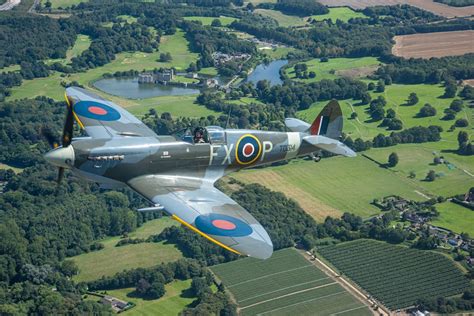
That symbolism still resonates globally. Air shows featuring Spitfires continue to attract enormous crowds, while restoration projects generate intense interest across the aviation community. The idea of a newly built Spitfire-inspired aircraft entering production taps directly into that enthusiasm.
Investment Challenges And Commercial Ambitions
Although the first full-size prototype has already been completed, transitioning from concept aircraft to scalable production remains a significant challenge. Aerospace manufacturing is notoriously capital intensive, particularly for niche heritage-inspired aircraft with specialized engineering requirements.
The Type 433 development team is now actively seeking investors to support the next phase of the project. According to Meeson, the initiative represents a “once-in-a-generation project” that could create an entirely new category within heritage aviation.
The prototype reportedly cost approximately £750,000 ($1 million) to construct — still a substantial figure, but dramatically less expensive than acquiring and restoring an original Spitfire. That lower cost could make ownership possible for aviation groups, private syndicates, museums, and heritage operators previously unable to access authentic Spitfire experiences.
Rather than competing directly with surviving wartime aircraft, the Type 433 could help reduce operational pressure on original airframes by offering a modern alternative for flight experiences, demonstrations, and pilot training activities.
Importantly, the aircraft also reflects a broader trend within historic aviation. Around the world, several companies have begun exploring continuation aircraft, modern recreations, and advanced replicas that preserve iconic designs while incorporating modern safety and manufacturing technologies.
Taking The Prototype Across Britain
The unveiling of the Aerolite Spitfire Type 433 in Cornwall marked only the beginning of the aircraft’s public journey. Project organizers plan to showcase the aircraft extensively throughout the United Kingdom at major air shows, military festivals, and classic motoring events.
These appearances serve multiple purposes. They introduce the aircraft to aviation enthusiasts, attract media attention, strengthen investor interest, and help validate public appetite for the project. The Spitfire name alone carries extraordinary recognition, but transforming curiosity into financial backing will require sustained visibility.
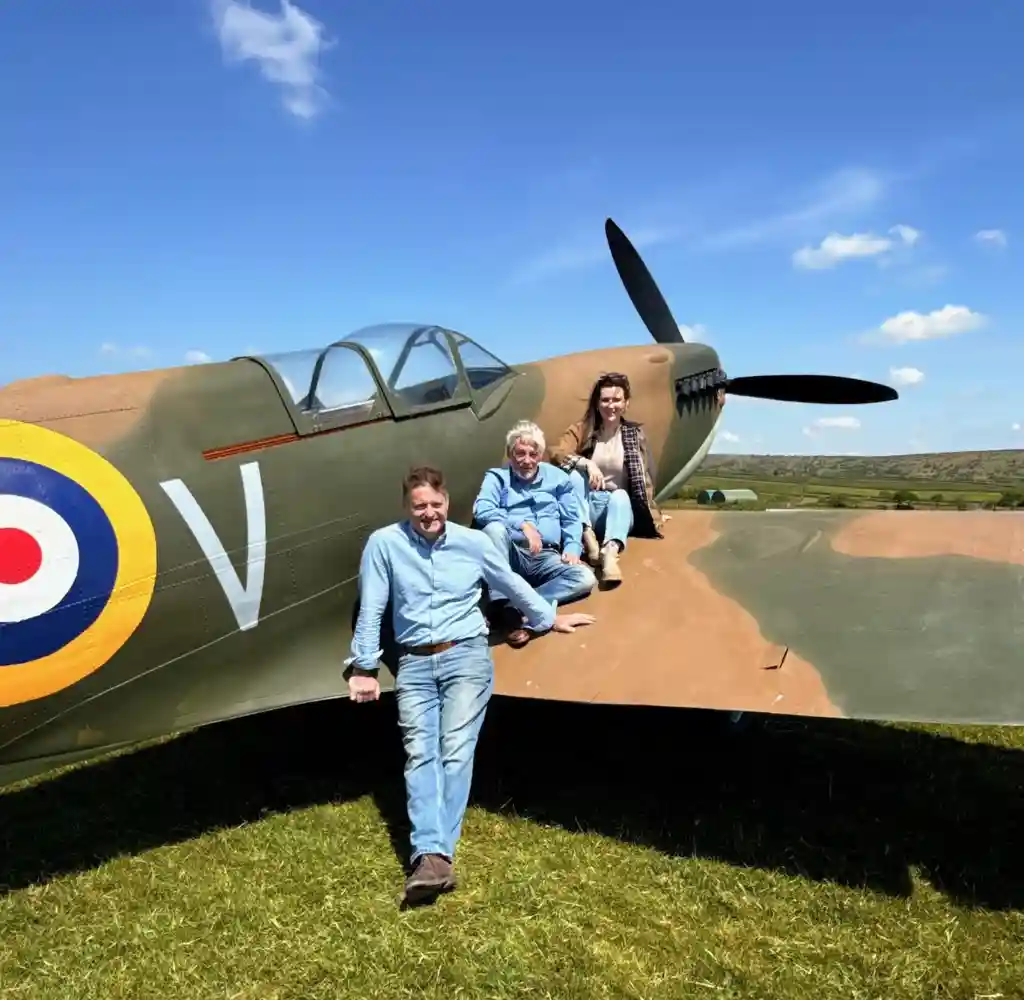
The roadshow strategy also allows the team to demonstrate the aircraft’s craftsmanship up close. For many visitors, seeing a full-scale Spitfire-inspired aircraft in person delivers an emotional impact that photographs alone cannot replicate.
Current estimates suggest that achieving flight readiness for the prototype could take approximately two and a half years. That timeline reflects the complexity involved in testing, certification, engineering refinement, and systems integration before the aircraft can safely leave the ground.
If successful, the Aerolite Spitfire Type 433 may become far more than a replica. It could represent the rebirth of one of aviation’s greatest legends for a completely new century — preserving the spirit of the Spitfire not as a museum relic, but as a living aircraft once again carving through British skies.