Russia’s United Aircraft Corporation (UAC), the state-owned aerospace giant behind the nation’s premier fighter jets, has unveiled a bold dual-pronged strategy: ramping up fighter jet production by 30% by 2030, while simultaneously eliminating 1,500 management positions, primarily in its Moscow headquarters. The announcement signals a deep restructuring of Russia’s defense industrial base as it pushes to meet surging wartime demands amid ongoing economic strain.
Strategic Overhaul Amid Escalating War Demands
At the heart of UAC’s transformation is its plan to drastically improve operational efficiency across both its military and civilian aviation arms. CEO Vadim Badekha, who assumed leadership in late 2024, revealed to Russian state media that the company is targeting a 30% increase in productivity by 2030. This increase is critical for delivering on Moscow’s intensified State Armament Program, which seeks to replenish and upgrade the Russian Air Force’s inventory amid protracted operations in Ukraine.
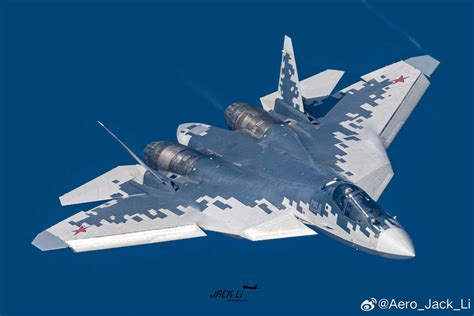
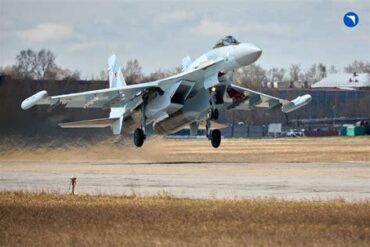
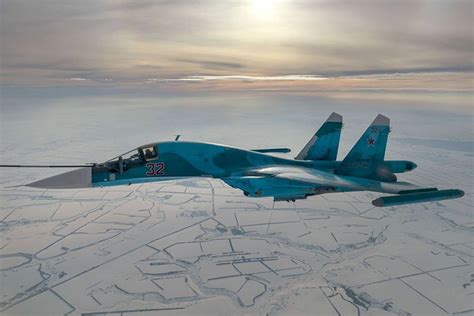
“We plan to raise production effectiveness 30% by 2030,” Badekha stated. “It will help produce major volumes under the arms procurement order that will exceed the high figures of last year.” His remarks underscore an urgent push to accelerate the output of combat aircraft like the Su-34, Su-35, and the stealth-capable Su-57, which remain essential in the Kremlin’s aerial campaigns.
Targeted Layoffs: Cutting the Bureaucratic Fat
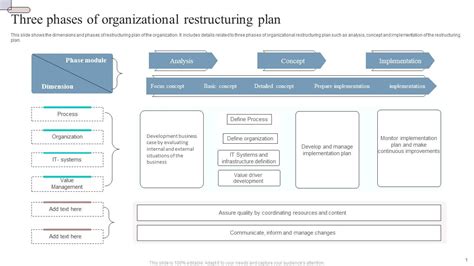
In a move that has drawn parallels to the American tech sector’s ongoing management flattening, UAC is trimming more than a quarter of its managerial workforce. According to Badekha, the layoffs—1,500 jobs in total—will primarily hit its Moscow office, a hub often viewed as bloated with administrative personnel far from the shop floors and assembly lines.
“1,500 people, or more than a quarter of the managerial staff,” he emphasized in a June interview with RBC, a Russian business outlet. The initiative is aimed at streamlining decision-making, reducing bureaucratic lag, and reallocating resources to core production needs.
The cost-cutting measure comes as UAC attempts to claw its way out of financial turmoil. In 2023, the company posted a staggering 34.8 billion ruble loss, though that figure was nearly halved in 2024 to 14.2 billion rubles, indicating nascent signs of stabilization.
Sukhoi and Mikoyan: Core Pillars of Russian Air Power
As the parent company to both Sukhoi and Mikoyan (MiG), UAC oversees production of virtually all of Russia’s modern fighter aircraft. The company’s product line includes:
- Su-34 Fullback: A modernized fighter-bomber optimized for long-range precision strikes.
- Su-35S: A 4++ generation air-superiority fighter with enhanced avionics and maneuverability.
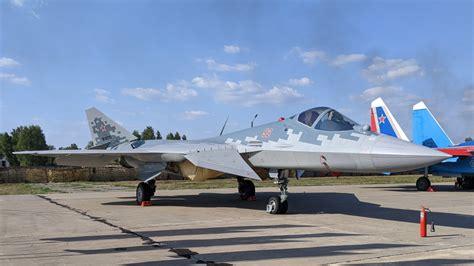
- Su-57 Felon: Russia’s fifth-generation stealth multirole fighter, designed to compete with the US F-22 and F-35.
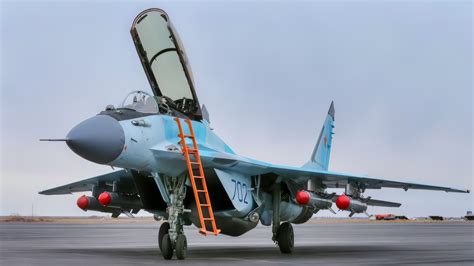
- MiG-35: An upgraded 4++ generation multirole fighter derived from the MiG-29 lineage.
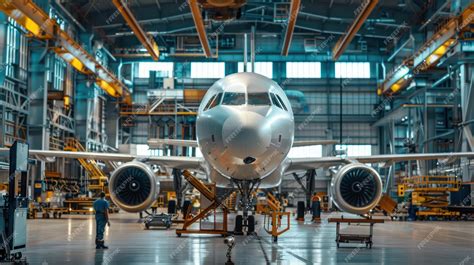
UAC also manages the production of civilian aircraft like the Yakovlev Superjet 100 and the Irkut MC-21, although these programs have been dogged by technical delays and international sanctions.
Defense Spending Surges as Sanctions Bite
Russia’s push for increased jet production comes on the back of a three-year surge in defense spending, as the Kremlin attempts to sustain operations in Ukraine. Yet, UAC and other defense contractors are navigating treacherous waters. Western sanctions, imposed in response to the invasion, have crippled supply chains, cutting off access to critical components such as avionics, electronics, and composite materials.
Additionally, a tight labor market—exacerbated by mass conscription, emigration of skilled workers, and inflation-fueled economic instability—has further strained production capabilities. The Russian Central Bank’s efforts to rein in inflation through high interest rates have also made capital investment costlier, especially for state-backed enterprises with ballooning debt like UAC.
Civilian Aviation Caught in the Crosswinds
Though military production is the immediate focus, UAC’s civilian arm is not immune to restructuring. Badekha’s 30% productivity pledge also surfaced in March 2025, during a public meeting with Prime Minister Mikhail Mishustin centered on Russia’s civil aviation future. That conversation revolved around the stalled Irkut MC-21 program and the domestically re-engineered Superjet 100, both of which have struggled to replace foreign components amid sanctions.
While the current announcements pertain more directly to defense production—such as the upgraded Su-34S deliveries cited in state media—the underlying message is that UAC must improve across the board. The company’s mixed portfolio, ranging from cutting-edge fighters to regional jets, faces a common challenge: doing more with less.
Flattening the Hierarchy, Militarizing the Mindset
UAC’s managerial cuts represent more than just fiscal tightening—they are a cultural shift toward a militarized production ethos, reminiscent of the Soviet-era wartime economy. Badekha’s aggressive restructuring mirrors the Kremlin’s broader push to eliminate inefficiencies and gear up the national industrial complex for long-term conflict readiness.
The company’s direction also reflects Russia’s internal political dynamics. Moscow has long sought to centralize defense output under tighter Kremlin control, and streamlining entities like UAC aligns with that vision. Cutting middle management may help the state exercise more direct oversight, eliminate dissent, and ensure loyalty during a time of heightened geopolitical tension.
The Global Isolation Factor
In past decades, UAC collaborated with Western suppliers and even courted export customers beyond traditional allies. That era has ended. As international isolation deepens, the company is pivoting inward, reliant almost entirely on Russian or Chinese substitute parts and partners. For example, the Superjet 100 is now undergoing a complete import substitution program, swapping out dozens of European and American-made components for domestic versions.
This inward turn, however, brings its own risks: rising costs, inferior components, and slower innovation cycles. UAC is under immense pressure to maintain quality and reliability while reinventing its supply chains under siege.
Future Outlook: Can UAC Deliver?
Despite the aggressive restructuring, questions remain about whether UAC can meet its ambitious targets. The 30% productivity increase is not merely about producing more jets—it implies drastic overhauls in workflow, supply logistics, quality control, and skilled labor recruitment. Layoffs, if not carefully managed, could undercut institutional knowledge and erode internal coherence.
Nonetheless, the Kremlin appears willing to bet on Badekha’s strategy, if only because few alternatives exist. With the war in Ukraine grinding on, Russia needs more warplanes, faster—and at a lower cost. UAC’s future now hinges on its ability to deliver under this pressure.
If successful, the transformation could mark a turning point in Russia’s defense industrial trajectory, paving the way for a more centralized, militarized, and economically resilient aerospace sector. If not, UAC risks becoming another overextended cog in a war machine already tested to its limits.