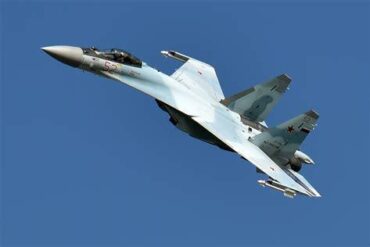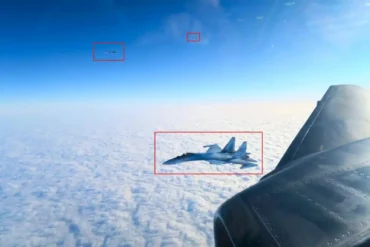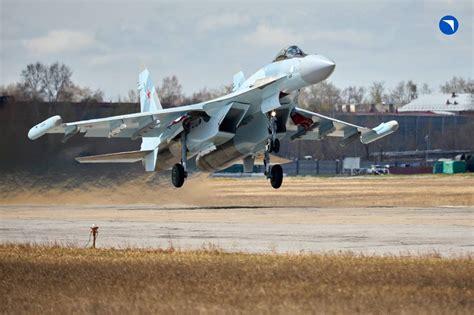
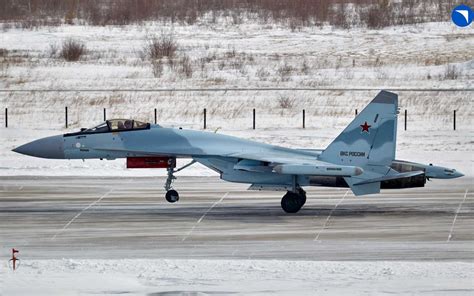
The United Aircraft Corporation (UAC) has successfully delivered a new batch of Su-35S multirole fighter jets to the Russian Aerospace Forces, marking a pivotal step in the ongoing fulfillment of a major state defense contract initiated in 2024. This delivery, comprising two advanced aircraft, took place at the corporation’s Komsomolsk-on-Amur manufacturing facility—an industrial cornerstone for Russia’s aerospace capabilities.
These units represent the second batch delivered in 2025 and are the third and fourth Su-35S aircraft handed over to the Russian military this year. The aircraft were subjected to an extensive suite of performance and reliability tests before departure, ensuring operational readiness in line with national defense requirements.
Strategic Defense Initiative Driving Su-35S Production
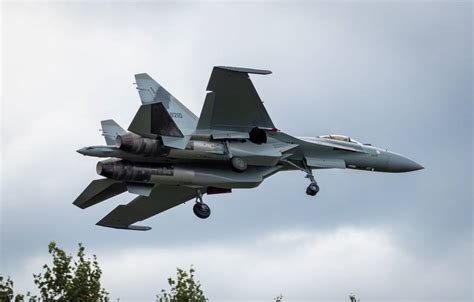
The Su-35S aircraft handed over this year form part of a larger framework initiated by the Russian Ministry of Defense in 2024. This multi-year initiative extends through 2030, with a strategic aim to reinforce and modernize Russia’s tactical air superiority assets. The Su-35S is a key platform in this regard, known for its long-range engagement capability, supermaneuverability, and integrated electronic warfare systems.
Russia’s defense procurement strategy underlines the priority of domestic fighter production. Not only does this approach ensure autonomy in military readiness, but it also sustains critical industrial ecosystems in regions such as the Khabarovsk Krai, where UAC’s Komsomolsk facility is located. The consistent delivery pace—maintained at approximately 2–3 aircraft every 2–3 months—is a testament to the resilience of Russia’s defense manufacturing pipeline, even amid increasing geopolitical and logistical pressures.
Operational Role and Technical Superiority of the Su-35S
The Su-35S is one of the most advanced iterations of the Flanker family, incorporating 4++ generation technologies that bridge the gap between legacy airframes and next-generation platforms. With its AL-41F1S thrust-vectoring engines, Irbis-E phased array radar, and an expanded weapons payload capacity, the Su-35S is designed to outperform adversarial aircraft in both BVR (Beyond Visual Range) and WVR (Within Visual Range) combat scenarios.
The fighter is capable of carrying a vast array of air-to-air and air-to-surface munitions, including:
- R-77 and R-74 air-to-air missiles
- Kh-31 and Kh-59 series missiles
- KAB-500 and KAB-1500 guided bombs
Coupled with its supercruise ability and enhanced electronic countermeasures, the Su-35S is a formidable opponent in modern air combat theatres.
Rising Export Momentum: Algeria Enters the Arena
While the Su-35S program has historically focused on equipping Russia’s own air forces, there is growing international interest in the platform, especially from nations seeking advanced aircraft without aligning with Western defense markets. Notably, Algeria has emerged as a confirmed foreign operator of the Su-35S, following the publication of a video and satellite imagery depicting the aircraft at an Algerian Air Force base.
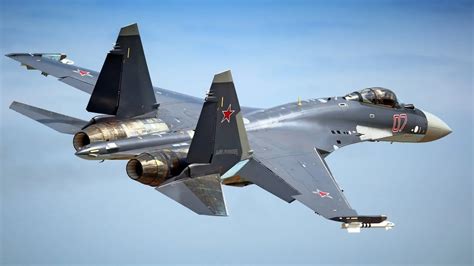
Rumors of Algeria’s interest date back to 2016, when initial reports suggested a redirection of Su-35s originally intended for Egypt and later offered to Iran. However, Algeria’s confirmed procurement marks a new chapter in Russia’s defense export strategy, one that demonstrates adaptive market positioning and strategic regional alliances.
Full Capacity Operations: UAC’s Production Ramp-Up
The UAC has publicly confirmed that its Komsomolsk facility is operating at maximum capacity to meet both domestic and export demand. This is particularly relevant as the company aims to increase the annual output of Su-35S aircraft significantly by 2028. Such expansion requires not only optimized assembly lines but also the recruitment and training of highly qualified personnel, including avionics engineers, structural technicians, and quality assurance specialists.
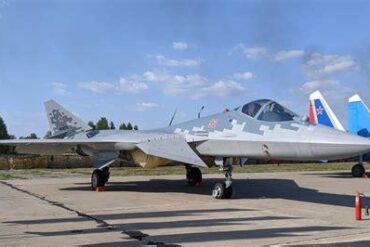
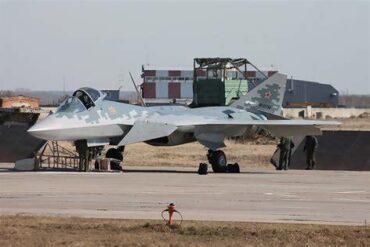
In parallel with the Su-35S ramp-up, the UAC is accelerating production of the Su-57 fifth-generation fighter, intended to complement and eventually succeed the Su-35S in strategic and tactical roles. The co-development and parallel deployment of both platforms illustrate Russia’s multi-tiered modernization approach in military aviation.
Strategic Implications for Russian Aerospace Forces
The Su-35S is more than just a tactical asset; it symbolizes Russia’s commitment to maintaining aerial dominance across Eurasia. The aircraft has already proven its mettle in combat deployments over Syria, where it demonstrated superior performance in complex multi-domain operations. In current scenarios, the Russian Aerospace Forces benefit from integrating Su-35S units into squadrons responsible for:
- Border airspace defense
- Quick reaction alert (QRA) duties
- Deep penetration and air interdiction missions
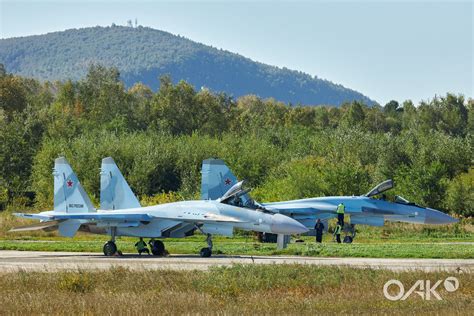
The advanced situational awareness systems and network-centric warfare capabilities of the Su-35S also allow it to operate as a force multiplier, enhancing the effectiveness of legacy aircraft within mixed fleet configurations.
Impacts on Global Defense Dynamics
The reallocation and confirmed exports of Su-35S fighters signal a shift in global procurement patterns, especially among countries pursuing non-Western alternatives to high-cost, politically entangled U.S. or EU-origin systems. With production escalating and delivery timelines becoming increasingly consistent, the Su-35S is positioning itself as a credible alternative to Western 4.5-generation aircraft such as the F-15EX and Eurofighter Typhoon.
Countries that maintain longstanding military ties with Russia—or those facing embargo-related procurement challenges—are now eyeing the Su-35S as a strategic investment. This opens new export corridors in Africa, Southeast Asia, and Latin America, and contributes to reshaping the competitive landscape in military aviation.
Future Outlook: Toward 2030 and Beyond
With the defense contract extending through the end of the decade, the Su-35S production program is poised for sustained growth. Russia’s aim is not merely to replenish fleet numbers, but to transform its aerial warfare doctrine through the synergy of legacy and next-gen platforms. In this context, the Su-35S serves as a transitional but vital component—a technological bridge that ensures continuity and strength until Su-57 production reaches full maturity.
Furthermore, the active deployment of Su-35S jets in joint military exercises, border operations, and strategic deterrence missions reinforces its long-term value to Russian defense objectives.
Conclusion
The delivery of the latest Su-35S batch by United Aircraft Corporation underscores a broader narrative of strategic acceleration, industrial resilience, and military modernization. As new aircraft roll off the Komsomolsk-on-Amur production line and take flight under the insignia of the Russian Aerospace Forces, they signify not only a technical achievement but also a reaffirmation of Russia’s commitment to maintaining its aerospace edge in a rapidly evolving global defense environment.
With Algeria now confirmed as a foreign recipient, and domestic production set to increase through 2028, the Su-35S remains a cornerstone of both national security strategy and international defense diplomacy.