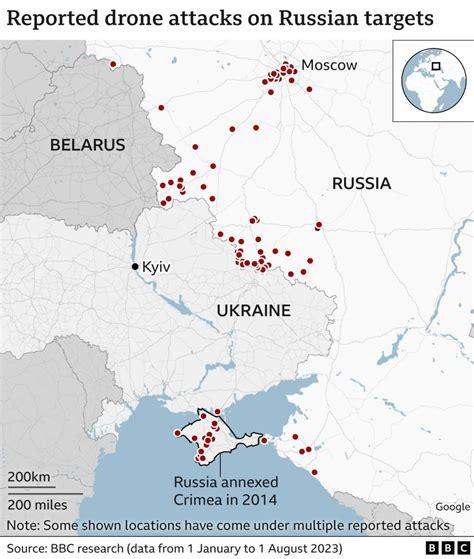
As geopolitical tensions escalate, the European Union is sounding the alarm over the urgent need to prepare for future conflicts dominated by unmanned aerial systems. According to EU Defence Commissioner Andrius Kubilius, Europe must be ready to build millions of drones to defend itself against a potentially imminent Russian military offensive. His stark warning follows military assessments suggesting that Russia could strike a NATO member state within the next five years, and such an attack would leverage vast drone swarms as a primary weapon.

Kubilius underscored that Russia may field as many as five million drones, creating an unprecedented challenge for NATO and European forces. “We must be prepared not only to match but exceed these capabilities,” he told Sky News. “If President Vladimir Putin orders an offensive, it will not be conventional. It will involve a battle-hardened Russian army equipped with drone technology tested across years of combat in Ukraine.”
Ukraine’s Drone Warfare: A Battlefield Revolution
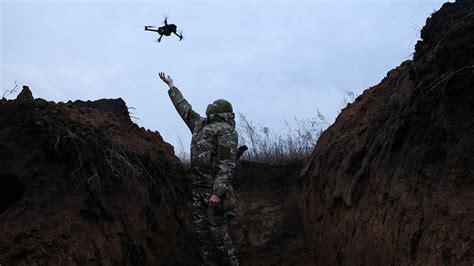
Since Russia’s full-scale invasion of Ukraine in 2022, drones have fundamentally reshaped modern combat dynamics. What began as a supplemental reconnaissance tool has evolved into a lethal frontline force. Ukraine’s drone units now reportedly account for up to 80% of Russian frontline losses, reflecting a tectonic shift in warfare.
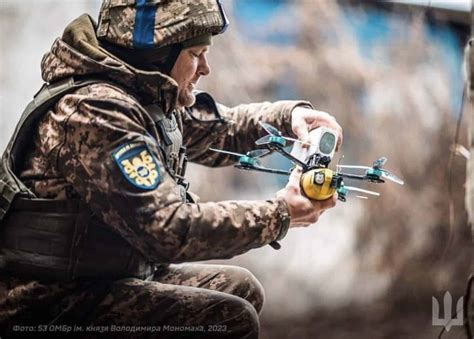
Ukraine’s mastery of cheap, modular, and rapidly deployed drones has stunned global observers. In 2025 alone, Ukraine is projected to manufacture over four million drones. Along the war-torn 1,200km front line, regions like “Death Valley” have become utterly inhospitable to traditional armored vehicles. “A tank survives six minutes there,” Kubilius said, emphasizing how drone dominance reshapes tactical realities.
Europe’s Drone Deficit: A Dangerous Vulnerability
The sobering reality for Europe is its lagging drone capabilities. The commissioner used Lithuania as a case study to illustrate Europe’s vulnerability. The Baltic nation, bordering Russia and Belarus over a 900km stretch, would hypothetically need three million drones per year to hold the line if war were to erupt. Yet current procurement levels across NATO states fall staggeringly short of such requirements.
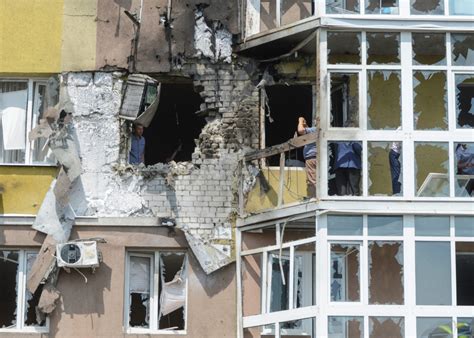
In contrast to Ukraine’s output, NATO member states have barely scratched the surface. According to Jan-Hendrik Boelens, CEO of the German startup Alpine Eagle, NATO forces might have procured as few as 1,000 drones in total last year. “Ukraine consumes 3,000 drones per day,” he explained. “If you only have 100 drones, you run out in under an hour.”
German Industry Push: Innovation Meets Bureaucracy
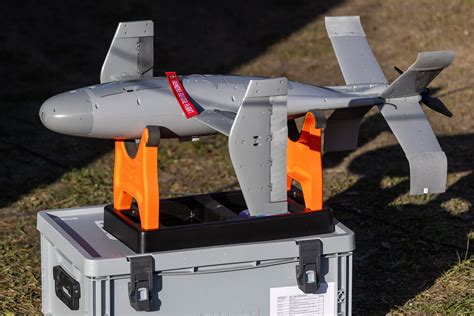
Across Germany, defence tech startups are innovating at breakneck speed. STARK, a Berlin-based company specializing in loitering munitions, is delivering battle-ready systems to Kyiv. According to STARK’s SVP Josef Kranawetvogl, their designs prioritize ease of use and rapid deployment, enabling front-line units to operate drones without tools or lengthy training.
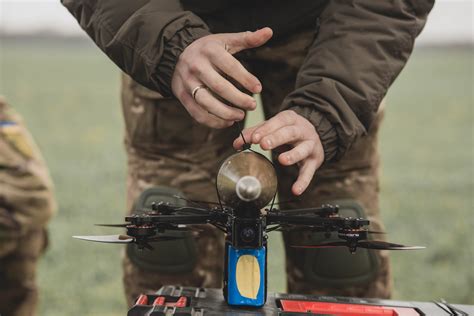
However, he warns that innovation alone isn’t enough. “Every day, the battlefield changes. New threats, new tactics. The key is speed — not just in design, but in deployment.” Meanwhile, Alpine Eagle is developing interceptor drones designed to eliminate enemy UAVs up to 5km away — a potential game-changer in aerial skirmishes.
Despite this progress, Boelens believes Europe is far from ready. “We are absolutely not prepared,” he said. Bureaucratic inertia is stifling front-line utility, with German cyber innovation lead Sven Weizenegger noting that while ideas abound, the defence ministry’s procurement processes remain sluggish. “We get 20 pitches a day. But turning that into actual weapons on the battlefield? That’s where we fall short.”
NATO’s Strategic Realignment: Drones as a Core Component
NATO, recognizing the threat, is rapidly adjusting its defence posture. At its recent summit, Secretary-General Mark Rutte emphasized increasing defence spending to 5% of GDP by 2035, with a substantial share allocated to drone technology. Rutte remarked, “Russia’s terror from the skies must be countered. We need defences capable of repelling swarms.”
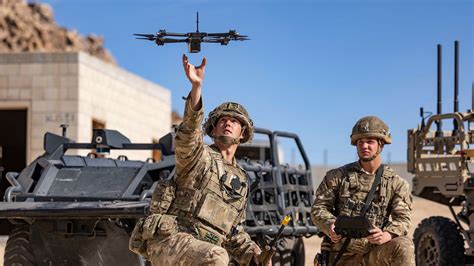
The UK, in its Strategic Defence Review, has committed to a radical transformation of its battlefield approach through a 20-40-40 force structure: 20% traditional heavy platforms, 40% expendable single-use drones, and 40% advanced, reusable UAVs. Defence Secretary John Healey confirmed an additional £2 billion investment into army drones, calling unmanned systems the linchpin of modern warfare.
“We’ve entered an era where drones now kill more people than traditional artillery,” Healey explained. “The side that masters rapid integration of new tech will win.”
European Unity and Production Scalability: Building a War-Ready Arsenal
Beyond national initiatives, the EU has approved a €150 billion loan scheme to stimulate defence manufacturing across member states. The idea is not to build vast stockpiles of soon-to-be obsolete drones, but to develop modular production chains and trained personnel — pilots, engineers, and operators — who can rapidly scale production if conflict erupts.
“It’s not about hoarding drones today that might be outdated tomorrow,” Kubilius argued. “It’s about building a resilient ecosystem. One that can switch to wartime production overnight.” This philosophy echoes the sentiment of the German Ministry of Defence, which confirmed it has signed contracts for large-scale drone acquisition but emphasized that flexible manufacturing and rapid deployment are the future of defence.
Lessons from the Front: Why Ukraine’s Model Must Guide Europe
Ukraine’s drone warfare strategy is not only about mass — it’s about agility. The country has cultivated an adaptive feedback loop, where frontline combat data informs manufacturing changes in real time. Development cycles now last just weeks, not months. This unprecedented agility is what allows Ukraine to stay ahead of Russia in drone tech.
European militaries must absorb these lessons. It’s no longer enough to rely on legacy platforms or bureaucratic procurement. The war in Ukraine has shown that military success now hinges on software updates, modular hardware, and decentralised command structures as much as traditional combat readiness.
The Drone Race is On — and Europe Cannot Afford to Lose
The growing threat from Russia, a nation now equipped with battlefield-tested drone doctrine, should be a wake-up call for European leaders. As Kubilius stated, only two armies on the continent are ready for drone-scale warfare — Russia and Ukraine. If Europe wants to avoid being outmatched in a future conflict, it must act decisively now.
That means investing not only in hardware and systems, but in strategy, interoperability, and industrial readiness. It also means tearing down procurement roadblocks, accelerating trials, and ensuring that the warfighter on the ground has access to the tools needed to win.
The future of European security depends not on tanks or missiles alone, but on drones — millions of them, agile and ever-evolving, capable of meeting the speed and scale of tomorrow’s wars.