Understanding the Critical Role of a Gate Agent
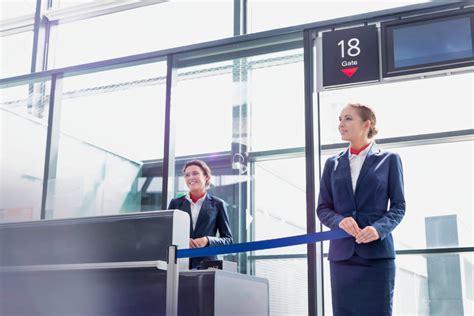
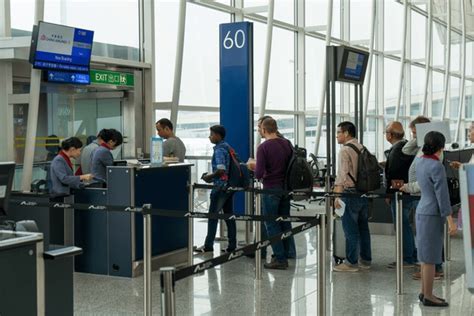
At the very core of airport logistics and customer satisfaction stands a pivotal figure—the gate agent. These professionals operate at the intersection of airline protocol, passenger interaction, and ground logistics. Positioned at the boarding gates, they are tasked with more than just verifying boarding passes. Their presence represents the face of the airline, the voice of operational authority, and the hands that orchestrate timely and smooth boarding procedures.
Gate agents are employed by specific airlines and adhere closely to both the company’s service standards and the airport’s regulatory requirements. While some may refer to them as passenger service agents, the specificity of their role—stationed primarily at the departure gates—distinguishes them within the broader airport workforce.
Passenger Experience Begins at the Gate
A gate agent is often the last human contact a traveler has before stepping onto an aircraft. This interaction can shape the traveler’s perception of the airline, especially in moments of delay, rerouting, or special needs accommodation. Their role is as much psychological as it is procedural—they calm nerves, resolve complaints, and elevate experiences under pressure.
Primary Responsibilities That Define the Gate Agent Role
The daily responsibilities of a gate agent span several high-touch functions:
- Passenger Assistance: Gate agents ensure that travelers are well-informed and properly processed. This involves responding to flight inquiries, guiding passengers to appropriate gates, updating them on status changes, and managing real-time seat arrangements.
- Verification of Travel Documents: Agents are trained to scrutinize boarding passes, passports, and visas, ensuring that documentation complies with international air travel protocols.
- Special Needs Support: From wheelchair-bound passengers to unaccompanied minors, agents facilitate safe and comfortable boarding, often coordinating with flight attendants to ensure in-air assistance continues.
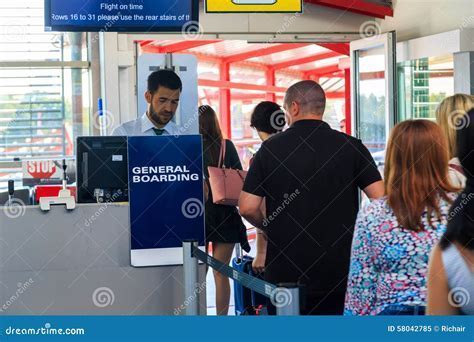
- Boarding Coordination: Timing is everything. Gate agents synchronize the boarding process with airline scheduling, ensuring passenger manifests are current and all travelers are accounted for. They work under tight windows and are expected to make rapid but accurate boarding decisions.
- Public Communication: Announcements regarding gate changes, delays, final boarding calls, and standby lists fall under the gate agent’s domain. Clarity and confidence in public speaking are key.
Gate Agents as Brand Ambassadors
More than just airport staff, gate agents embody the ethos of the airlines they represent. Whether working for Delta Air Lines, Air Canada, or Qantas, their demeanor, professionalism, and empathy can directly affect customer loyalty. They are trained not only in operations but also in conflict resolution, customer care, and brand language.
Training Pathways and Required Qualifications
Despite the technical nature of the position, aspiring gate agents typically only require a high school diploma to begin. However, employers heavily weigh experience in customer service sectors, particularly roles in hospitality, retail, or call centers. These experiences fine-tune soft skills such as:
- Emotional intelligence
- Patience and empathy
- Multitasking under pressure
- Verbal and non-verbal communication
New recruits usually undergo on-the-job training, often shadowing experienced staff and receiving instruction in the airline’s proprietary software systems. Depending on the carrier and country, training might also include aviation security protocols, first aid, and regulatory compliance measures.
Technical and Interpersonal Skills That Elevate Gate Agent Performance
The best gate agents blend administrative precision with human-centric service. Key skills include:
- Attention to Detail: Whether scanning for mismatched names or tagging special luggage, oversight can lead to significant consequences. High accuracy protects against logistical and legal issues.
- Fluent Communication: In a multi-lingual, fast-paced setting, being able to communicate clearly, calmly, and consistently is invaluable.
- Conflict Management: Agents are often first responders to frustrated passengers. Their ability to defuse tensions, negotiate solutions, and maintain calm is critical.
- Problem Solving: Gate changes, weather delays, and overbookings require real-time decisions. Gate agents must remain solutions-oriented without overstepping airline protocol.
- Computer Proficiency: Daily tasks involve airline management systems—managing seating charts, boarding queues, and flight statuses. Digital literacy is a must.
A High-Stakes, Fast-Paced Work Environment
The gate environment can be unpredictable. A storm over Chicago, a last-minute medical boarding need, or an influx of connecting passengers can turn routine operations into high-intensity events. Gate agents are trained to stay composed amidst chaos. Their responsibilities are often complicated by last-minute updates from airline command centers, requiring immediate adaptation and communication.
Additionally, the physical demands of the role cannot be overlooked. While not traditionally labor-intensive, agents often need to lift carry-on bags, push wheelchairs, or stand for hours during boarding periods. In smaller regional airports, one agent may be responsible for coordinating multiple flights simultaneously.
Digital Transformation and the Future of Gate Agents
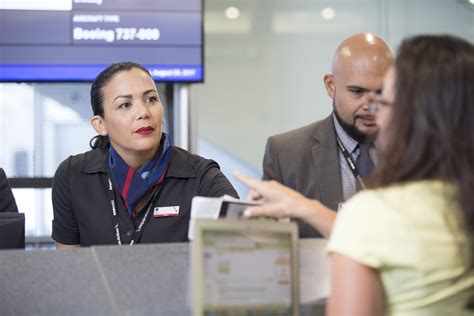
The rise of mobile boarding passes, automated gates, and self-check-in kiosks has changed the gate agent landscape. While automation handles basic processes, it does not replace the empathy, judgment, and human interaction required during exceptions. In fact, the digital age has shifted gate agents from transactional workers to exception managers—handling what machines cannot.
In the future, airlines are likely to empower gate agents with AI-enhanced decision tools, real-time data dashboards, and multilingual support tech. But their role as high-touch service providers will remain irreplaceable, especially in elite travel classes and during crisis moments.
Conclusion: A Profession of Poise, Precision, and People Skills
Gate agents serve as the final checkpoint and the first impression. They manage aircraft readiness, facilitate safety, and uphold brand integrity—all while handling hundreds of interactions per shift. Their job is a blend of logistical coordination, emotional labor, and operational command.
For individuals drawn to aviation, who possess strong people skills and can thrive under pressure, becoming a gate agent offers a dynamic and rewarding career path that plays an integral role in the global travel ecosystem.
FAQs
What qualifications do I need to become a gate agent?
To become a gate agent, most airlines require at minimum a high school diploma or equivalent. While post-secondary education is not necessary, experience in customer service (retail, hospitality, or call centers) is highly preferred. Additional qualifications, such as multilingual skills or basic computer literacy, can offer an advantage.
How is a gate agent different from a check-in agent?
While both roles fall under the category of passenger service agents, their duties differ in location and focus. A check-in agent assists passengers with ticketing, baggage drop-off, and initial check-ins, whereas a gate agent manages passengers at the boarding area, overseeing final documentation checks, boarding order, and last-minute changes.
Can gate agents upgrade passengers?
Yes, gate agents often have the authority to issue last-minute upgrades, based on availability and passenger status. These decisions are typically informed by airline protocol, seat inventory, and frequent flyer status. However, upgrades are not guaranteed and are often issued at the agent’s discretion within policy boundaries.