Understanding the Role of a Ramp Agent in Modern Aviation
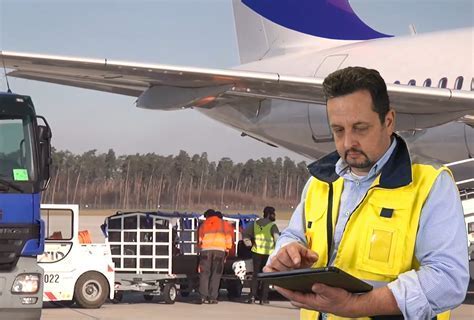
The aviation industry thrives not only because of pilots, engineers, or air traffic controllers, but also because of the skilled personnel working on the ground. Among the most crucial yet often overlooked roles is that of the ramp agent, also known as a ramp service agent, fleet service agent, or baggage handler. These professionals are the silent workforce ensuring that aircraft depart on time, safely, and fully serviced.
Ramp agents form the foundation of ground handling operations. They are responsible for a wide range of logistical, operational, and technical tasks that directly support flight readiness. Their work is essential in the tight turnarounds demanded by modern air travel, particularly in busy hub airports where every minute counts.
Core Responsibilities of a Ramp Agent
The duties assigned to a ramp agent span across physical, technical, and procedural domains. The diversity of tasks makes the role both demanding and integral to flight operations. Ramp agents are responsible for the following activities:
-
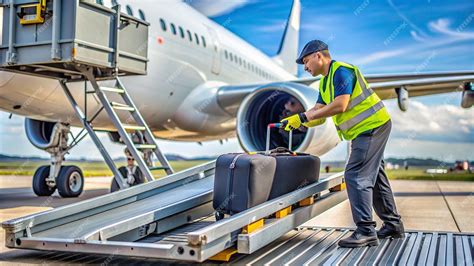
Loading and unloading baggage and freight from commercial and cargo aircraft.
-
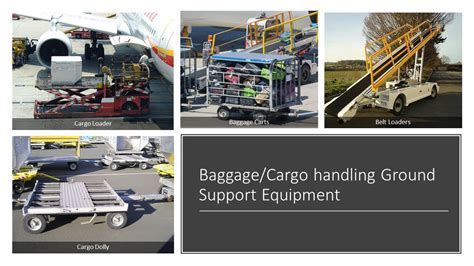
Operating ground support equipment such as belt loaders, pushback tugs, baggage carts, air start units, and GPU (ground power units).
-
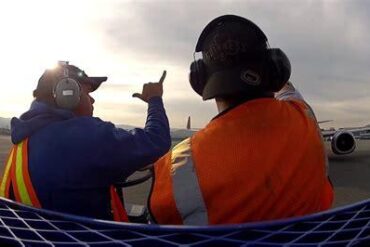
Marshalling aircraft during taxiing and parking.
-
Connecting and disconnecting external power sources and conditioning units.
-
Cleaning the aircraft cabin, restocking onboard supplies, and handling lavatory and potable water servicing.
-
Managing documentation to track cargo movement and ensure baggage is properly routed.
-
Conducting regular inspections of equipment and preparing equipment deficiency reports.
-
De-icing aircraft in winter operations and clearing snow or ice from ramp areas.
These tasks must be executed quickly, efficiently, and above all, safely. Any delay or oversight can ripple through the system, leading to missed slots, passenger dissatisfaction, or compromised safety.

Skills and Competencies Required
Becoming a ramp agent requires more than just physical strength. It calls for a unique blend of technical aptitude, communication skills, and teamwork under pressure. The following competencies are essential:
Technical Skills
Ramp agents operate a variety of motorized vehicles and ground support equipment. This includes baggage tractors, forklifts, conveyor belts, and lavatory service vehicles. Familiarity with aircraft systems—especially those involving refueling, de-icing, and power—is vital.
Communication and Coordination
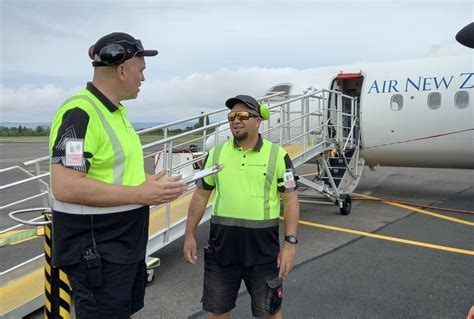
A typical ramp involves dozens of personnel working simultaneously. Effective radio communication and coordination with gate agents, flight crews, and operations managers are essential to avoid delays or incidents.
Physical and Environmental Readiness
Ramp work is performed outdoors, regardless of weather. Ramp agents must be prepared to work in extreme heat, cold, rain, or snow, and lift baggage weighing up to 70 pounds regularly. Physical endurance and adaptability are crucial.
Customer Service Mindset
Though not always public-facing, ramp agents frequently interact with flight attendants, pilots, and sometimes passengers. A professional, customer-oriented attitude contributes to the airline’s overall image.
Qualifications and Training Path
The position of a ramp agent is one of the most accessible career paths in aviation. It often serves as an entry point for those looking to grow within airport operations. However, there are several minimum qualifications every applicant must meet:
-
High School Diploma or Equivalent: A foundational academic credential, typically required by all employers.
-
Driver’s License: Necessary for operating airport ground equipment.
-
Security Clearance: Including a Restricted Area Identification Card (RAIC) and Airside Vehicle Operator’s Permit (AVOP) where applicable.
-
Physical Fitness: The ability to lift, bend, stand, and move heavy luggage for extended periods.
While post-secondary education is not mandatory, many successful candidates enhance their profile through aviation-specific programs or certifications in airline operations and ground handling procedures.

Daily Life and Work Environment
Working as a ramp agent is fast-paced and time-critical. Airlines operate on tight schedules, and delays on the ramp can cascade through the system. Shifts can occur at any time—early mornings, late nights, weekends, or holidays. It is not a 9-to-5 job, but one that provides dynamic challenges and strong camaraderie.
Ramp agents spend their time:
-
Walking on active tarmacs
-
Handling live aircraft movements
-
Engaging in collaborative task execution under tight deadlines
Most positions offer protective equipment, and training includes safety procedures, ramp etiquette, and emergency protocols. Adherence to Transport Canada and IATA guidelines is strictly enforced.
Compensation and Career Progression
The average wage for a ramp agent in Canada is $16.15 per hour, but this figure varies depending on location, seniority, and employer. Major airline hubs such as Vancouver, Toronto, Calgary, and Richmond often offer higher pay and more benefits.
Career progression is possible, with ramp agents advancing to:
-
Ramp Supervisors
-
Lead Agents
-
Operations Coordinators
-
Airline Logistics Managers
With additional certifications and years of experience, some ramp agents transition into aircraft dispatching, ground operations management, or terminal operations.
How to Become a Ramp Agent in Canada
1. Education and Age
Start by obtaining a high school diploma or GED. Candidates must typically be 18 years or older to apply for most airport roles.
2. Licensing
Secure a Class G (or equivalent) driver’s license, required to operate tarmac vehicles. Advanced roles may require airside permits depending on provincial regulation.
3. Physical Preparation
Improve core strength and cardiovascular endurance. Ramp agent tasks are physically demanding and require consistent exertion throughout the shift.
4. Apply Through Airlines or Service Providers
Airlines such as Air Canada, WestJet, Swissport, and Menzies Aviation regularly hire ramp agents. Visit their career pages or monitor job aggregators like Indeed.
5. Pass Security and Background Checks
Ramp agents must obtain a Transportation Security Clearance. This includes criminal record checks and a verification of employment history.
6. Complete On-the-Job Training
Employers provide initial onboarding, including equipment handling, safety protocols, and airport operations procedures.
Importance of the Role in Airport Efficiency
Ramp agents are the gears that keep the machinery of global air transport in motion. They guarantee that cargo reaches its destination, aircraft are safe for departure, and passenger experiences remain seamless. Without them, the aviation system would come to a standstill.
Their contributions not only enhance on-time performance (OTP) but also support broader safety, compliance, and service objectives outlined by global regulatory bodies like ICAO and Transport Canada.
Frequently Asked Questions
What is the salary of a ramp agent in Canada?
The national average salary for a ramp agent is $16.15 per hour, though it may vary depending on factors like location, experience level, and employer type. Urban centers with major international airports tend to offer higher compensation and more comprehensive benefits packages.
Is ramp agent work physically demanding?
Yes, the job requires lifting, bending, and walking long distances, often under variable weather conditions. Physical stamina and good health are necessary to perform the job safely and effectively.
Do I need experience or a degree to become a ramp agent?
No college degree is required. A high school diploma, a valid driver’s license, and the ability to pass security screening are sufficient to apply. Most technical training is provided on the job.