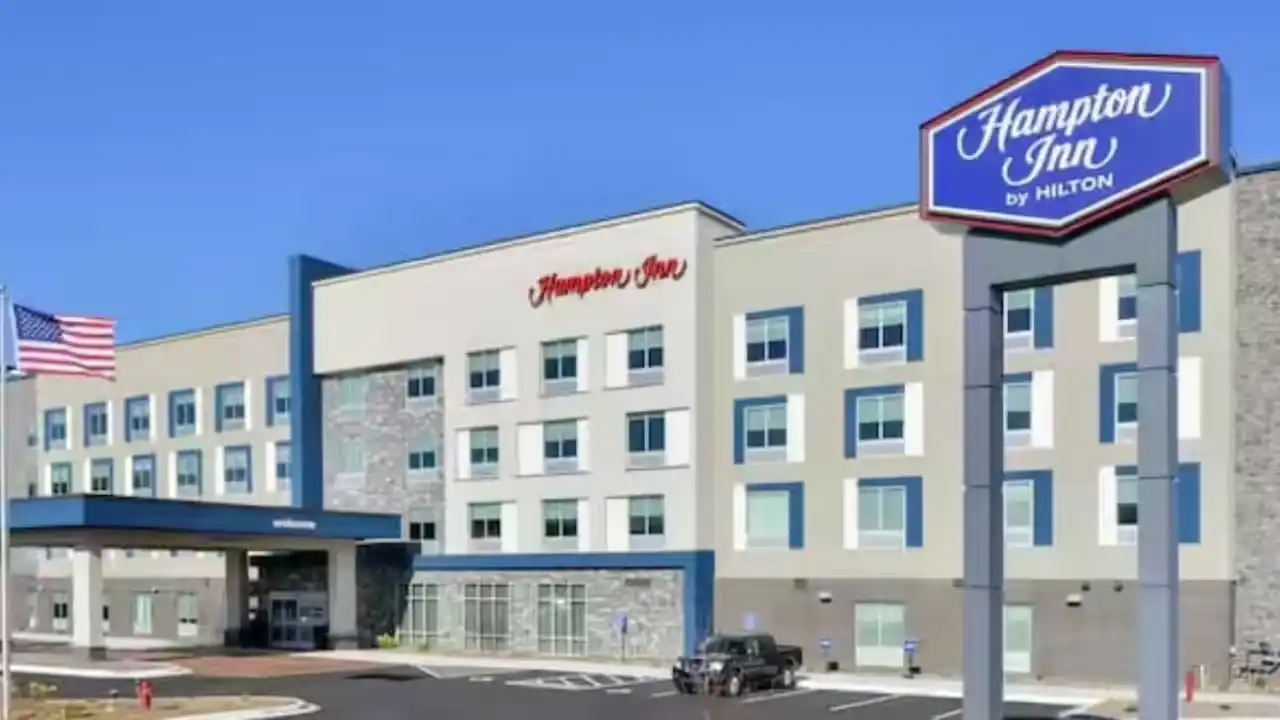
In a move that has ignited a firestorm of public debate and drawn the direct ire of federal authorities, Hilton Hotels is under intense scrutiny for allegedly cancelling hotel reservations made by Immigration and Customs Enforcement (ICE) agents in the Minneapolis area. The incident has placed the hospitality giant at the center of a politically charged controversy involving federal law enforcement, immigration policy, and corporate responsibility.
DHS Accuses Hilton of Discriminatory Actions Against ICE Agents
The drama erupted when the Department of Homeland Security (DHS) took to its official X account to accuse Hilton of engaging in a “coordinated campaign” to deny service to ICE agents attempting to book government-rate rooms. According to the DHS post—now viewed millions of times—multiple ICE officers had their hotel reservations maliciously canceled after using official government emails to secure bookings.
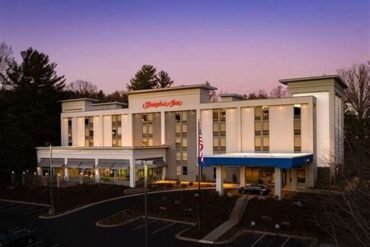
Two email screenshots shared in the DHS post allegedly originate from Hilton representatives. The first email directly informs the recipient that a reservation is being canceled due to their association with immigration enforcement. The second, even more pointed, message from a Hampton Inn Lakeville front office manager states:
“We are not allowing any ICE or immigration agents to stay at our property… Please pass on this info to your coworkers.”
The unapologetic tone and the decisive language have further fueled the controversy, with federal authorities condemning the move as a deliberate obstruction of immigration enforcement efforts. DHS’s post included the incendiary question:
“Why is Hilton Hotels siding with murderers and rapists to deliberately undermine and impede DHS law enforcement from their mission?”
Franchise vs. Corporate: Who’s Really Responsible?
Despite DHS targeting Hilton’s corporate identity, the properties in question—most notably the Hampton Inn Lakeville—are franchise operations. While they carry the Hilton brand, they are independently owned and operated. This distinction is crucial for legal and public relations considerations, as it suggests that Hilton Worldwide Holdings Inc. may not have directly orchestrated or endorsed the policy against ICE agents.
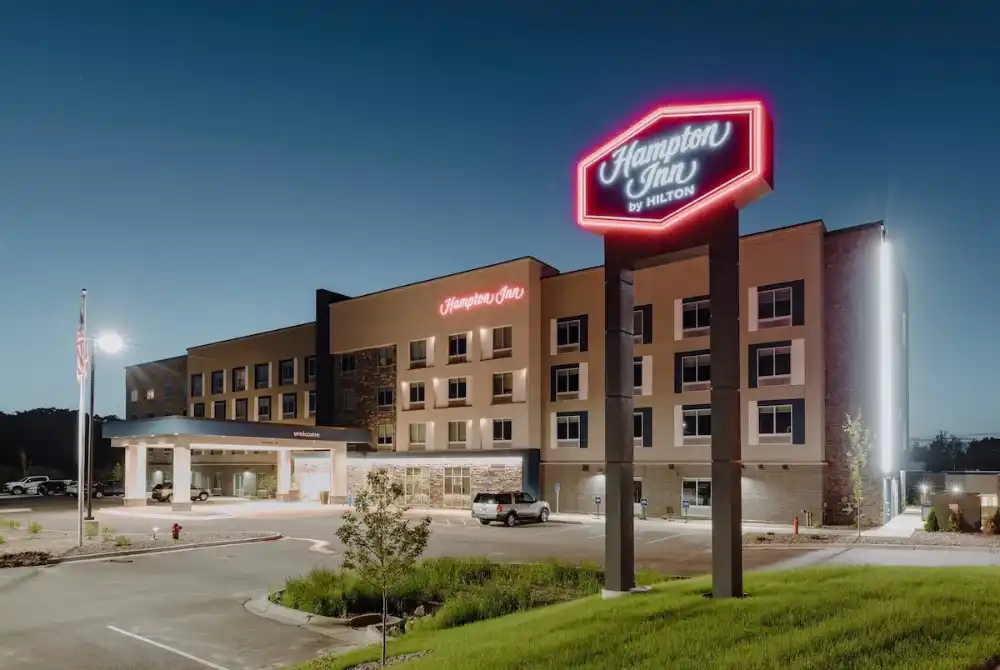
However, the Hilton brand’s reputation is tethered to its franchises. Critics argue that corporate headquarters should be held accountable for the actions of any property bearing its name. Hilton has not yet issued a formal statement disavowing or confirming the decisions made by the local managers.
Political and Public Reactions: A Nation Divided
Unsurprisingly, the public reaction to the revelations has been fiercely polarized. Social media platforms are ablaze with both support and condemnation:
- Supporters of the ban are applauding what they perceive as a courageous stand against inhumane immigration enforcement tactics. Many have declared they will now go out of their way to support Hilton for “doing the right thing.”
- Opponents, however, argue that denying service to law enforcement officials is irresponsible, discriminatory, and dangerous, particularly when such actions might compromise national security efforts. Some are calling for boycotts of Hilton properties nationwide.
The split reflects broader societal tensions over immigration policy and the role of private enterprise in shaping or resisting federal agendas.
Activism in Hospitality: A New Battleground?
What adds complexity to the issue is the presence of activist movements targeting hotels that accommodate ICE personnel. In Minneapolis, protests have reportedly occurred outside hotels housing ICE agents, often involving noise and disruptions meant to prevent restful sleep. Such actions, though controversial, have put hotels in an ethical bind: accommodate all guests regardless of profession or respond to local pressure and activism.
Based on the content of the leaked emails, the decision to cancel the reservations seems less about logistics and more a symbolic stand against ICE. Whether or not this decision was driven by individual conscience, community pressure, or business considerations, the implications are far-reaching.
Legal and Ethical Quagmires
The case opens the door to potential legal challenges. ICE agents, operating under official government authority, may claim that the refusal of service constitutes a form of discrimination or interference with federal duties. The situation echoes past debates around the right of businesses to refuse service based on political or ethical grounds, seen in cases involving everything from wedding cakes to mask mandates.
Legal scholars are already debating whether the hotels’ actions violate public accommodation laws or the terms of government contracting agreements. If found culpable, franchise owners could face financial penalties, lawsuits, or loss of franchise privileges.
Corporate Silence and the Call for Accountability
As of now, Hilton’s corporate leadership remains publicly silent, a strategic but risky move. Stakeholders, including investors, customers, and political figures, are watching closely to see how Hilton responds to the mounting pressure.
Will Hilton defend its franchisees’ autonomy, or will it issue a blanket apology to salvage its broader brand image? The answer could determine not only the company’s future with government contracts but also its position in an increasingly politicized consumer market.
A Precedent for Future Corporate Resistance?
If Hilton—or its franchisees—did in fact choose to cancel ICE reservations as an intentional political gesture, the implications extend far beyond the hospitality industry. It could signal a new wave of corporate resistance to federal enforcement agencies, especially in sectors where public visibility and activism are high.
In an age where corporate values are increasingly scrutinized, companies are under pressure to take stands on social issues. But doing so risks alienating key demographics or government partners. Hilton’s handling of this case may well become a blueprint—or a cautionary tale—for other brands grappling with similar ethical crossroads.
Conclusion: At the Crossroads of Policy and Public Sentiment
The Hilton-ICE controversy is more than a simple booking dispute. It is a flashpoint in the larger cultural war over immigration, federal authority, and corporate ethics. While DHS frames the cancellations as a threat to public safety and rule of law, others see them as a form of civil disobedience against an agency whose actions remain deeply divisive.
Until Hilton issues a formal clarification, the debate will continue to rage across media channels and hotel lobbies alike. What’s certain is that the incident has placed Hilton squarely in the national spotlight—with consequences that may echo far beyond the walls of the Hampton Inn Lakeville.