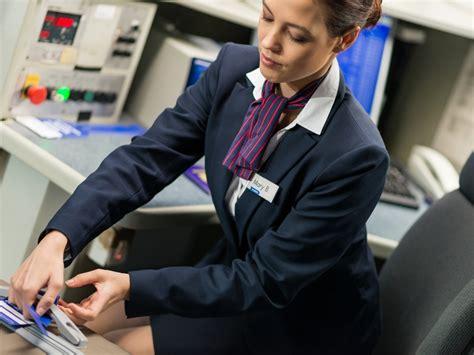
Understanding the Role of a Customer Service Agent in Airports
In the fast-paced and complex environment of modern aviation, airport customer service agents play a vital role in ensuring smooth passenger experiences. These professionals represent the frontline of the airline industry, handling a range of responsibilities that are essential to customer satisfaction and operational efficiency.
At their core, airport customer service agents are responsible for assisting passengers before and after flights, including check-ins, baggage handling, boarding procedures, customer inquiries, and problem resolution. While it may seem like a basic entry-level role, the skillset, pressure, and expectations required of these agents make it a position of critical importance.

Key Responsibilities of Airport Customer Service Agents
We define this role as a blend of hospitality, operational coordination, and conflict resolution, all executed in a high-stakes environment. Agents are expected to:
-
Greet passengers and provide necessary flight details
-
Assist with check-in and ticketing services
-
Inform travelers about gate changes, delays, and cancellations
-
Resolve seat allocation disputes or upgrade requests
-
Coordinate with ground staff, security, and cabin crew
-
Handle lost-and-found and baggage claim issues
-
Support travelers with special needs
Crucially, these agents serve as the face of the airline, often being the first and last employee a passenger interacts with. The quality of this interaction often defines the passenger’s impression of the airline brand.
Work Environment and Job Dynamics
Airport customer service agents typically operate in environments that are highly regulated, security-sensitive, and logistically intensive. The job often involves long shifts, irregular hours, and constant interactions with a diverse set of travelers, many of whom may be experiencing stress or confusion.
Most agents are employed directly by airlines, although third-party ground handling companies or airport authorities may also manage these roles. Their stations include check-in counters, boarding gates, information desks, or baggage service offices. Work schedules rotate across weekends, holidays, and night shifts.
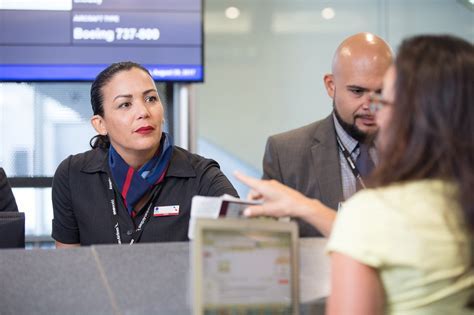
Skills Required for Airport Customer Service Agents
Becoming an effective airport customer service agent demands a broad range of technical and interpersonal skills. The dynamic nature of airport environments necessitates adaptability and emotional intelligence. Below, we delve into the critical abilities needed:
Communication Proficiency
Flawless verbal and written communication is vital. Agents must explain complex airline policies, assist non-native speakers, and sometimes de-escalate high-tension scenarios. Active listening ensures travelers feel heard and valued.
Attentiveness and Detail Orientation
Misspelled names or incorrect baggage tags can lead to logistical nightmares. Successful agents must exhibit sharp attention to detail, especially during document verification and boarding pass issuance.
Multilingual Capabilities
Given the international nature of air travel, language proficiency is a major asset. Fluency in English is typically required, but additional languages—such as French, Spanish, Arabic, or Mandarin—can give candidates a competitive edge.

Empathy and Patience
Air travel is often stressful, and agents must approach every situation with composure, compassion, and problem-solving poise. From comforting distressed passengers to helping families with children or the elderly, empathy is indispensable.
Technological Fluency
Agents must operate various airline reservation systems (ARS), airport terminal operations platforms, and internal communication systems. A foundational understanding of IT systems ensures faster check-ins and more efficient issue resolution.
Problem-Solving Creativity
The ability to analyze a problem quickly, think laterally, and offer a solution that satisfies both the traveler and the airline is essential. This becomes particularly vital during flight delays or overbooked flights.
Physical and Mental Stamina
From standing for long hours to handling high-pressure interactions, stamina is crucial. Agents must remain alert and friendly, even after extended shifts or during high-traffic seasons.
Pathway to Becoming an Airport Customer Service Agent
Educational Requirements
While many entry-level positions only require a secondary school diploma, candidates with college diplomas or degrees in fields such as business administration, hospitality, or travel management are preferred. Formal education often determines advancement opportunities.
Building Experience
Experience in hospitality, tourism, retail, or call centers helps in building customer service proficiency. Internships, part-time jobs, or freelance roles within customer-facing environments are stepping stones into airport roles.
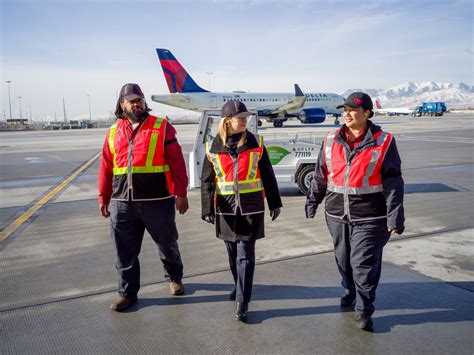
Targeted Job Applications
After acquiring relevant experience and skills, applicants should focus on roles that match their profile, such as:
-
Gate Agent
-
Ticketing Agent
-
Baggage Services Representative
-
Airline Call Center Specialist
-
Airport Lounge Attendant
Each of these positions builds expertise in different facets of airline operations.
Professional Development
Certifications such as IATA’s Customer Service Training, or programs in Airline and Travel Management, can significantly enhance employability. These credentials also prepare agents for eventual promotions into supervisory or dispatch roles.
Career Progression and Opportunities
A career in airport customer service can evolve in multiple directions. With time and performance, agents can be promoted to roles such as:
-
Customer Service Supervisor
-
Flight Dispatcher
-
Station Manager
-
Airline Operations Coordinator
Many agents also transition into related sectors such as tourism, logistics, corporate travel, or hospitality management, where their skills in crisis management, communication, and coordination remain highly relevant.
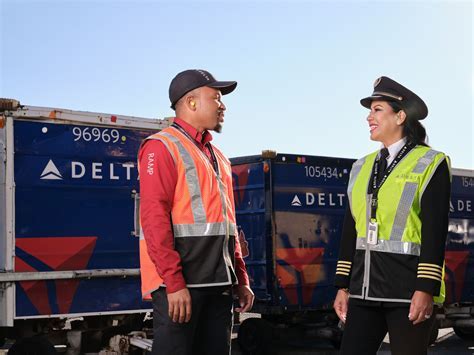
The Importance of Customer Service Agents in Airport Operations
As we assess the broader landscape of air travel, it’s clear that customer service agents function as the connective tissue between passengers and the airline. They embody the brand’s values, translate policies into practice, and serve as the first responders in service recovery scenarios.
A delay, cancellation, or baggage issue can escalate into a public relations disaster if not handled well. Conversely, even a small act of courtesy or problem resolution can result in lifelong customer loyalty. In this regard, airport customer service agents are indispensable brand ambassadors.
Airlines that invest in the continuous training and well-being of their customer service staff often see the dividends returned through improved Net Promoter Scores (NPS), reduced customer complaints, and smoother day-to-day operations.
Frequently Asked Questions
What qualifications do I need to become an airport customer service agent?
A secondary school diploma is often sufficient for entry-level roles. However, having a college diploma or degree in hospitality, business, or customer relations, along with relevant experience, increases your chances. Proficiency in English and other languages is also a significant advantage.
Is airport customer service a stressful job?
Yes, the role can be stressful due to long hours, irregular shifts, and the pressure of handling demanding passengers in real-time. However, those who thrive in dynamic environments and possess strong emotional intelligence often find the work rewarding.
What is the average salary of an airport customer service agent?
The salary varies depending on location, employer, and experience. In Canada, for instance, entry-level agents earn approximately CAD $35,000 to $45,000 annually, while experienced professionals or supervisors can earn significantly more. Additional benefits may include travel perks and bonuses.