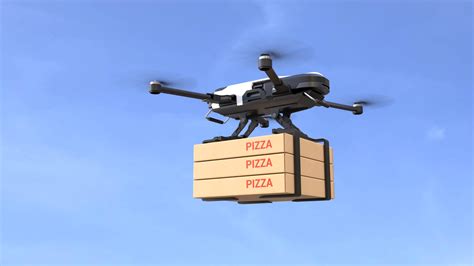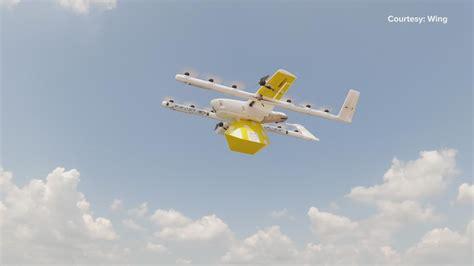
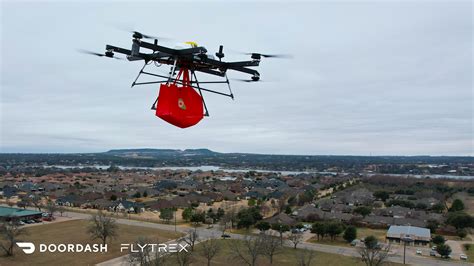
Pizza, burgers, and spaghetti are no longer confined to ground delivery. In an ambitious leap into the future of food logistics, DoorDash has partnered with drone tech firm Flytrex to pilot a drone delivery service in Frisco and Little Elm, Texas. The rollout marks a transformative shift in the way customers experience food delivery — with meals arriving from the sky in under five minutes.
The pilot, quietly initiated earlier this year, is already making waves in the Dallas-Fort Worth area, offering unprecedented delivery speed and significant cost savings for consumers. The service is currently limited to a 2.5-mile radius surrounding the intersection of Main Street and FM 423, but both DoorDash and Flytrex are aggressively eyeing expansion.
Drone-Powered Efficiency in the Heart of Texas
The promise of drone delivery is no longer speculative fiction. It’s operational reality. Unlike human drivers who must contend with stoplights, traffic congestion, and unpredictable urban delays, Flytrex drones bypass all terrestrial obstacles. As a result, deliveries that once took 20–30 minutes are now consistently arriving in under five.
“We get about 80 plus deliveries a day,” says Jason McGarry, Flytrex’s Regional Operations Flight Manager. “We have public points, and DoorDash supports these — what we call business complexes. So whether you’re at home or at work, if you want lunch or dinner, we can fly it to you.”
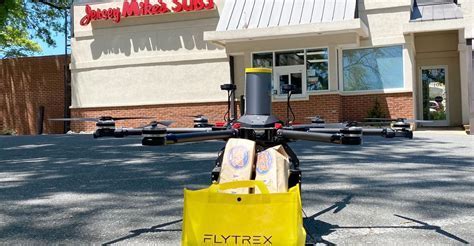
The drones are dispatched directly from strategic launch points, glide silently across neighborhoods, and lower packages via tether to waiting customers below. It’s frictionless, fast, and almost futuristic in its simplicity.
The Tech Behind the Skies: How It Works
Each delivery is orchestrated through either the DoorDash app or Flytrex’s own dedicated app. Upon selecting the drone delivery option, customers can expect:
- No traffic delays
- No tipping requirement
- Flat-rate delivery fees that are significantly lower
For instance, McGarry revealed a cost comparison that underscores the savings: a traditional DoorDash driver delivery runs an average of $19.51, tip included. The same order delivered via drone is just $13, and arrives in a third of the time.
Community Reception: High Altitude, Higher Praise
Feedback from residents in Little Elm and Frisco has been overwhelmingly positive. Not only is the service faster and cheaper, but it also injects a dose of novelty into daily life. Watching your burger or spaghetti descend from the clouds adds a sense of wonder — a little everyday magic backed by logistics engineering.
For families juggling busy schedules or professionals craving a quick lunch without the hassle of traffic, drone delivery is a game-changer. “It’s not just faster,” says McGarry. “It’s better.”
Moreover, because drones bypass crowded roads and intersections, they represent a safer and more sustainable alternative to car-based delivery. With reduced emissions and less road usage, the ecological footprint of drone deliveries is far lower than traditional methods.
Strategic Expansion Plans for the Metroplex
While still in its early stages, the pilot program is far from a novelty stunt. Flytrex and DoorDash are currently working on scaling the service to cover additional ZIP codes across the Dallas-Fort Worth Metroplex, including neighboring cities like The Colony, Plano, and potentially parts of Denton County.
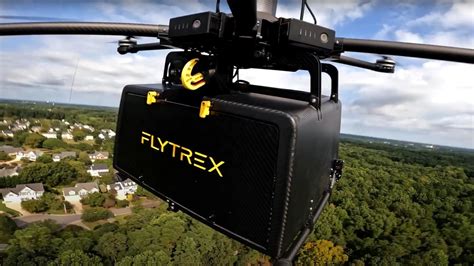
This is not Flytrex’s first foray into drone logistics. The company, already operational in other U.S. states including North Carolina, brings a wealth of experience and an advanced proprietary system that integrates flight safety, route optimization, and package security. In partnering with DoorDash, Flytrex gains access to a massive customer base and a streamlined delivery ecosystem ready for disruption.
Legal Flight: Navigating FAA Regulations and Local Airspace
Drone delivery might seem like smooth sailing from above, but behind the scenes, it involves complex coordination with the Federal Aviation Administration (FAA) and adherence to strict airspace regulations. All Flytrex drones operate under FAA Part 135 exemption rules, allowing them to carry small packages for commercial purposes over short distances.
In suburban areas like Little Elm, where wide streets and lower building densities offer ideal conditions, regulatory hurdles are fewer. But as the service looks to expand into more urbanized regions, compliance requirements will increase. That said, the current success in DFW may serve as a blueprint for national rollout.
Competing in the Skies: DoorDash vs. Walmart and Amazon
DoorDash isn’t alone in the race to own the skies. Walmart has partnered with Zipline, another drone delivery startup, and is already offering drone services in areas like Mesquite, Texas. Amazon, too, has long invested in its Prime Air division, though its rollout has been slower and more limited.
Where DoorDash distinguishes itself is in its focus on prepared food rather than general retail. While Walmart drones deliver anything from groceries to last-minute gifts, DoorDash is zeroing in on hot meals — where speed is not just a luxury, but a necessity.
The Consumer Experience: How It Feels to Receive Food from a Drone
From a user standpoint, the experience is seamless and even thrilling. Once an order is placed and the drone takes flight, customers receive a notification and tracking interface that allows them to watch the progress in real time. When the drone arrives overhead, it hovers and lowers the package gently to the ground using a secure tether system. There’s no landing required — no blades near human hands, just a clean, contactless exchange.
It’s also surprisingly quiet. Unlike earlier generation drones that buzzed like oversized bees, Flytrex’s current models operate with minimal noise, reducing disruption in residential neighborhoods.
Limitations and Challenges Ahead
Despite the excitement, the technology is not without its hurdles. Each drone has a limited payload, typically around 6.6 pounds (3 kg), which restricts it to delivering small-to-medium orders. Bad weather, especially high winds or heavy rain, can also ground flights. And while the current radius of 2.5 miles is suitable for suburban coverage, larger urban deployments will require a denser network of drone stations.
There’s also the question of public perception. While most residents have responded positively, concerns about privacy, noise, and airspace crowding remain. DoorDash and Flytrex are actively working to address these by running public information campaigns and ensuring transparent communication about flight paths and delivery protocols.
A Glimpse into the Future of Delivery
Drone delivery isn’t just a gimmick — it’s the next phase of last-mile logistics. With DoorDash and Flytrex proving that it can be cheaper, faster, and more environmentally friendly, the broader industry is watching closely. If the DFW pilot continues to succeed, it may spark a rapid transformation in how Americans receive food, goods, and even medicine.
It’s a model built not just for convenience, but for scalability and efficiency. As technology advances, drones could soon carry larger loads, operate over longer distances, and integrate with AI-powered dispatch systems that predict demand in real time.
For now, residents of Little Elm and Frisco get a front-row seat — and a hot meal — from one of the most disruptive logistics innovations of the decade.