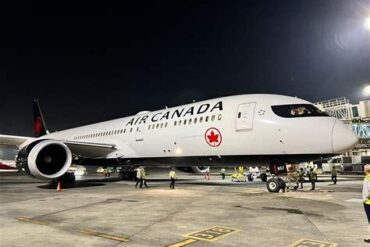
In the midst of the 2025 peak summer travel season, a surprising trend continues to unfold across North America: a select few widebody aircraft, typically designed for long-haul intercontinental journeys, are being deployed on ultra-short domestic routes. Based on data analyzed from Cirium Diio for July, these aircraft will operate on routes with block times as short as 50 minutes, providing a rare opportunity for aviation enthusiasts and everyday passengers alike to enjoy the comfort and prestige of twin-aisle jets—even on flights that take less time than an average movie.
This strategy is driven by a blend of fleet repositioning needs, hub connectivity demands, and seasonal traffic surges. While widebody aircraft account for just 0.8% of all domestic flights in the U.S. and Canada, these niche operations continue to turn heads.
Air Transat: Canada’s 50-Minute Wonder
Topping the list is Air Transat’s ultra-short hop between Montreal (YUL) and Quebec City (YQB), a route that clocks in at just 50 minutes of block time. Operated once weekly on Wednesdays by an Airbus A330-200, flight TS914 departs Montreal at 18:00, reaching Quebec City by 18:50. What makes this flight particularly unique is that the aircraft doesn’t terminate at Quebec City—it continues onward to Paris Charles de Gaulle as flight TS116. While not a tag flight under a single flight number, the use of the same frame allows for efficient fleet optimization.
The return leg also follows the same pattern, effectively serving the dual purpose of regional coverage and long-haul staging. This setup illustrates how widebodies can be tactically used on short sectors to manage positioning requirements while offering premium onboard services, including lie-flat seats and enhanced IFE systems—a rare luxury for domestic travelers.
Toronto–Montreal: Canada’s Core Corridor Gets Heavy Metal
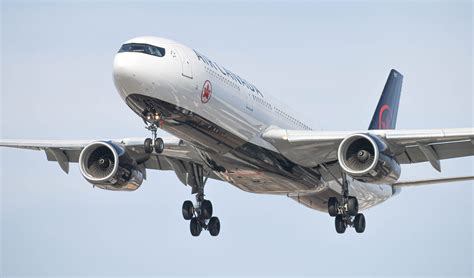
In second place is a more traditional corridor: Toronto to Montreal, operated by Air Canada, Air Transat, and Royal Jordanian. The minimum block time of 1 hour and 20 minutes makes it a close contender.
- Air Canada runs nine weekly A330-300 flights.
- Air Transat follows with three weekly A330-200 services.
- Royal Jordanian operates three weekly flights using a Boeing 787-8, although these are part of a long-haul routing from Amman and not bookable as standalone domestic flights.
This trunk route, known for its high frequency and business traffic, has been a natural fit for widebody substitution during high-demand periods or equipment rotations.
Delta’s Atlanta–Orlando Shuttle: The US Champion of Short Widebody Flights
Over in the U.S., Delta Air Lines claims the shortest scheduled domestic widebody operation with its Atlanta to Orlando service, covering a block time of 1 hour and 23 minutes. Though the frequency has declined over the years, July will still see select flights operated by Boeing 767-300ERs and 767-400ERs on the following days: July 5, 6 (four flights), 13, 23, and 27.
Despite a drop in widebody operations compared to previous decades—where the route once saw up to 11 daily twin-aisle flights—Atlanta to Orlando remains a cornerstone of Delta’s high-volume hub strategy. This route alone will see 469 total departures in July, with one in every 58 flights using a widebody.
Delta’s hub strategy also supports large volumes of connecting passengers. U.S. DOT data indicates that between April 2024 and March 2025, nearly 3,000 round-trip passengers per day transited through Atlanta. This figure supports widebody usage even on relatively short routes.

A Rarity: Delta’s Atlanta–Tampa Runs
Coming in next are a few special Delta widebody flights between Atlanta and Tampa, which will operate only on July 13, 23, and 27 using 767-300ERs. With a block time of 1 hour and 30 minutes, these flights are primarily scheduled for fleet positioning and increased summer travel demand.
They exemplify how seasonal spikes and hub-to-leisure traffic flows can influence aircraft deployment, even on relatively niche short-haul routes.
Air Canada’s Montreal–Halifax Route: East Coast Efficiency
Further east, Air Canada maintains a daily A330-300 operation between Montreal and Halifax, a route that features a block time of 1 hour and 35 minutes. The demand profile here skews toward business travelers and government employees, with the added benefit of Halifax’s role as a launch point for transatlantic flights during the summer.
This daily operation underscores the strategic use of widebody flexibility, allowing Air Canada to shift aircraft across domestic and international missions as needed.
Delta’s A350 Shuttles: Minneapolis–Detroit at 2 Hours
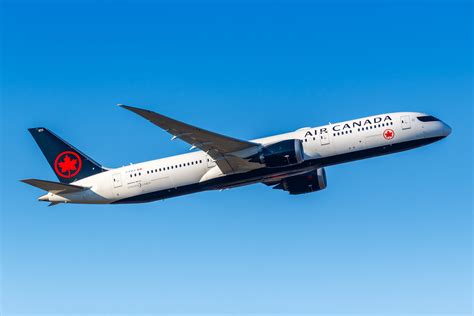
Perhaps the most fascinating inclusion on this list is Delta’s use of the Airbus A350-900 on its Minneapolis to Detroit route, scheduled daily in July with a block time of 2 hours.
Deploying a next-gen long-hauler like the A350 on such a short leg seems extravagant, but it aligns with Delta’s network balancing strategy and aircraft rotation between long-haul flights. The A350’s quiet cabin and advanced air systems bring intercontinental comfort to the Midwest corridor, giving passengers a rare taste of ultra-modern aviation even on a quick trip.
American’s Widebody Experiment: Chicago–Philadelphia
On July 5th, American Airlines will briefly deploy the Boeing 787-9 Dreamliner on the Chicago O’Hare to Philadelphia route. With two widebody departures scheduled and a block time of 2 hours and 5 minutes, this limited operation offers a glimpse into aircraft repositioning tactics and potentially pilot training exercises.
It’s a one-day affair, but for those lucky enough to book it, the experience is unparalleled for a domestic flight in terms of space, quiet, and comfort.

The Miami–Charlotte Daily 777: American’s Heavyweight Connector
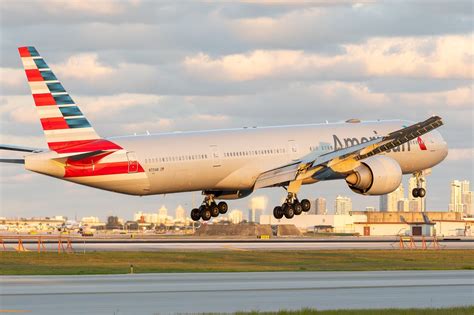
On the East Coast, American Airlines operates a daily widebody service between Miami and Charlotte using the Boeing 777-200ER. With a scheduled block time of 2 hours and 14 minutes, this flight serves as a vital connector between two American Airlines hubs.
Despite the short distance, these flights often see high levels of connecting traffic. In fact, DOT data reveals that more than 1,150 daily passengers used Charlotte as a transit point from Miami during the year ending March 2025. That’s twice the number who flew point-to-point, with common final destinations including Detroit, Richmond, and Memphis.
The 777-200ER service features the airline’s signature business class cabins, complete with lie-flat seats, making it one of the most luxurious options for domestic travelers.
Delta’s Northeast Corridor Workhorse: Atlanta–JFK
Lastly, Delta’s Atlanta to JFK route sees eight weekly flights in July using the 767-300ER, a workhorse aircraft in the airline’s widebody fleet. With a block time of 2 hours and 14 minutes, this segment is a staple in Delta’s transatlantic routing architecture, connecting long-haul aircraft to New York’s primary international gateway.
Though not daily, this route is another key example of hub-to-hub widebody rotations, supporting Delta’s intercontinental services from both Atlanta and JFK.
Why It Matters: Premium Cabins, Operational Needs, and Aviation Oddities
Short-haul widebody flights remain an aviation curiosity and a compelling value proposition for frequent flyers. These segments offer a chance to:
- Experience premium cabins and superior service levels.
- Fly on rare aircraft types like the A350 or 787-9 without committing to long-haul travel.
- Understand how airlines optimize fleet usage during seasonal shifts.
For airlines, these flights serve not only as revenue opportunities but also as tools for aircraft repositioning, crew routing, and hub feed augmentation.
Final Thoughts: A Niche Worth Booking
With only one in every 123 flights in the US and Canada being operated by widebodies this July, these short-haul gems stand out amid the sea of narrowbody routes. Whether you’re an aviation enthusiast chasing flight experiences or a savvy traveler seeking added comfort, these rare widebody services deliver a unique take on short-haul flying. And for those lucky enough to book a business class seat? It might just be the most luxurious hour you’ve ever spent in the air.