Orlando International Airport (MCO), one of the busiest travel hubs in the United States, is launching an ambitious new facial biometric technology pilot program designed to dramatically reduce wait times for international travelers. In a strategic collaboration with U.S. Customs and Border Protection (CBP), MCO aims to modernize the immigration and boarding experience through enhanced automation that matches live passenger images with official passport records.
The initiative introduces two core components: a biometric arrival system that has already demonstrated a 43% reduction in processing times, and a newly launched 90-day pilot for departure gate-based facial screening. Together, these systems are intended to streamline identity verification, reduce staffing pressure, and enhance operational flow during high-volume travel periods.
Facial Biometrics: Cutting Time Without Cutting Corners
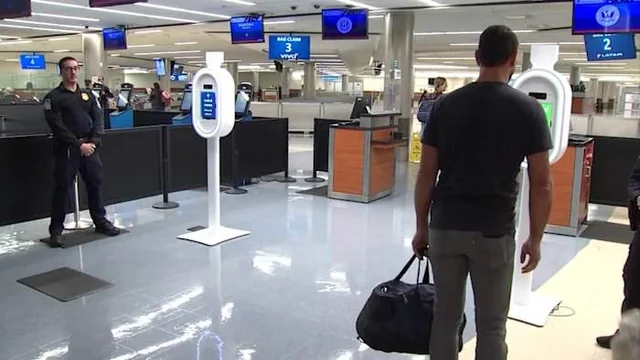
Under the new Enhanced Passenger Processing system, inbound travelers are greeted by automated kiosks equipped with cameras that capture live photos. These are instantaneously matched to federal passport databases, allowing eligible U.S. citizens and international visitors to bypass traditional document checks. The goal is fewer physical handoffs and minimal friction during immigration procedures.
With more than 57 million travelers expected to pass through MCO this year, and 15% of them on international routes, airport authorities are under pressure to optimize throughput without compromising security. Facial recognition provides a powerful tool to meet that challenge. The airport has already installed biometric infrastructure at 65 of its 113 gates, signaling a long-term commitment to this digital transformation.
The departure pilot takes this concept further by enabling travelers to board flights without presenting physical passports or boarding passes. Instead, passengers walk through a camera-equipped corridor at the gate, where live images are captured and cross-referenced with government records.
Behind the Camera: Technology Vendors and Real-Time Oversight
The biometric rollout includes trials from three tech vendors, among them iProov and Aware, whose algorithms promise high accuracy even under suboptimal conditions. These systems are engineered to manage various real-world complexities such as different heights, mobility assistance devices, and group or family travel.
While the software handles identity verification, CBP officers monitor the process in real-time via connected screens, ready to intervene if discrepancies arise. This hybrid model of automation with human oversight helps strike a balance between speed and security.
Airline operators stand to benefit significantly. Boarding delays create ripple effects across schedules, and each second saved through facial recognition minimizes the risk of missed takeoff windows and gate congestion.
A Glimpse into the Future: Contactless Travel
For passengers, the contactless corridor transforms the boarding process into a seamless experience. Instead of stopping at podiums and shuffling through documents, travelers proceed as if walking directly onto the aircraft. The technology’s ability to match a live image to federal records not only accelerates the process but enhances safety by reducing physical exchanges.
This vision aligns with broader trends in aviation, where touchless systems and biometric security are becoming industry standards. CBP reports suggest that facial match rates exceed 98% in test environments, a figure continually refined through real-time feedback and system upgrades.
Privacy and Participation: A Delicate Balance
Not all passengers are automatically enrolled. U.S. citizens can opt out of biometric screening and request manual checks instead. However, this may come with the tradeoff of longer wait times. Inbound image data for U.S. citizens is deleted within 12 hours, according to CBP policy. In contrast, noncitizen images may be retained longer, with new retention rules taking effect in December 2025.
Privacy advocates continue to raise concerns around data security, algorithmic bias, and the potential for mission creep. Despite these concerns, officials argue that rigorous testing and strict data handling protocols ensure the system’s reliability and ethical deployment.
For now, the pilot’s success will determine whether Orlando expands the facial recognition system across all international gates. If results continue to show measurable time savings and high match accuracy, MCO may soon become a model for biometric integration across the aviation industry.
The Stakes: Speed, Security, and Trust
In an era where international air travel is both booming and burdened by infrastructure constraints, the Orlando initiative stands as a case study in next-gen airport efficiency. The early data is promising: reduced wait times, smoother boarding, and scalable security measures. But the long-term viability of facial biometrics hinges on more than just throughput—it will depend on how well technology, transparency, and passenger trust are managed together.
As MCO prepares for record-breaking traffic and eyes broader deployment, the biometric future of air travel is no longer theoretical. It’s boarding now, gate-side, with a camera watching—not a passport in hand.