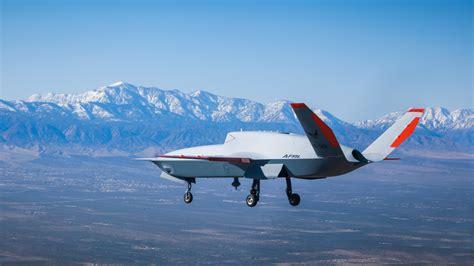
In a landmark move that may reshape how the U.S. military and Veterans Affairs treat remotely piloted aircraft (RPA) operators, bipartisan legislation has been introduced to formally recognize combat drone pilots and extend them full access to benefits and mental health care. The Combat Action Recognition and Evaluation (CARE) for Remotely Piloted Aircraft Crews Act—championed by Senators Jacky Rosen (D-Nev.) and Kevin Cramer (R-N.D.)—represents a significant shift in how military service is classified and compensated for these off-site warfighters.
The legislation arrives amid a broader effort by the Department of Defense and the second Trump administration to prioritize unmanned aerial capabilities, including easing bureaucratic hurdles and fast-tracking integration of new drone technologies into operations. With combat increasingly conducted via remote operations, the bill addresses a glaring gap: the lack of formal recognition for drone pilots who conduct lethal, intelligence-intensive missions without ever setting foot on a battlefield.
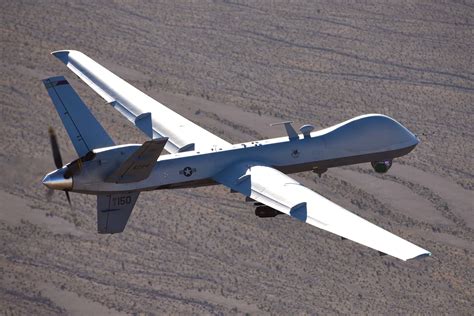
Recognizing the Invisible Warriors
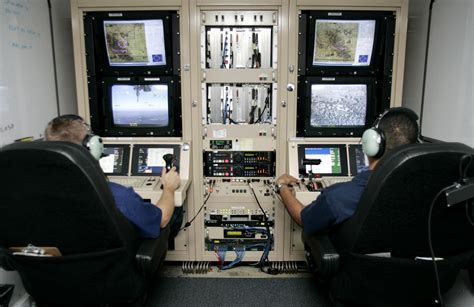
Although they are physically located thousands of miles from active conflict zones, drone pilots play a pivotal role in modern combat. Operating from secure bases like Creech Air Force Base in Nevada or Grand Forks Air Force Base in North Dakota, these aviators carry out high-stakes missions involving targeted strikes, surveillance operations, and real-time intelligence relay.
The CARE Act’s main provision calls for a new “status identifier” to be added to military records, formally recognizing drone crews’ direct participation in combat. Status identifiers in military parlance are essential tags that influence everything from career trajectory to veterans’ benefits. Traditionally, such identifiers have been reserved for boots-on-the-ground personnel, pilots flying manned aircraft in warzones, or those involved in other recognized direct-combat roles.
Under this legislation, within 180 days of its enactment, the Secretaries of the military departments must coordinate with the Secretary of Veterans Affairs to create a system that captures the combat involvement of RPA crews. This would ensure that drone operators receive the same consideration for mental health support, transition services, and retirement benefits as their traditionally classified combat counterparts.
The Toll of Remote Combat
Though not physically embedded in warzones, drone pilots face a unique psychological burden. They are often tasked with executing lethal strikes, monitoring enemy movements for extended hours, and sometimes witnessing the immediate aftermath of an operation via high-resolution sensors and live video feeds.
Numerous studies over the last decade have revealed that RPA operators experience post-traumatic stress disorder (PTSD) and moral injury at levels comparable to deployed troops. The contradiction of going to war from an air-conditioned trailer during the day and returning home to family life in the evening has only intensified these mental health risks. Still, because of their “non-deployed” status, many have historically been denied combat-specific care or benefits.
This legislative effort acknowledges this disconnect, seeking to reconcile it through policy change. By formally identifying their combat roles, drone crews would gain access to programs tailored to the psychological realities of modern warfare.
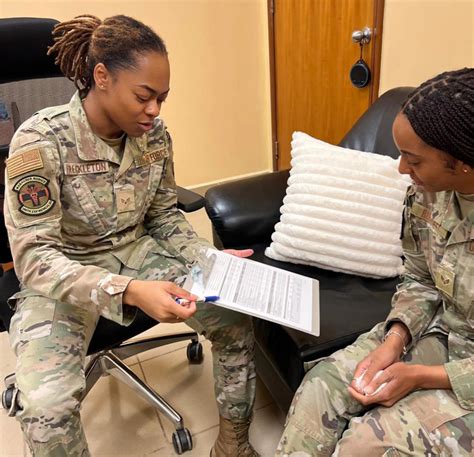
Bipartisan Unity and Strategic Imperatives
What makes this bill particularly compelling is its bipartisan backing. Senator Rosen’s district includes Creech AFB, a central hub for RPA operations, while Senator Cramer represents Grand Forks AFB in North Dakota, which hosts major drone units. Their alignment signals recognition across party lines of both the strategic and human elements at stake.
Rosen has been vocal in her support, emphasizing that “these airmen are engaging enemies of the United States just like traditional combat personnel.” Cramer echoed similar sentiments, noting that their service should be “met with the same level of honor, support, and after-service care.”
The bill aligns with current DoD objectives to scale up unmanned systems and ensure they are supported by robust personnel infrastructure. The second Trump administration has placed renewed emphasis on drone warfare, which is increasingly seen as a vital part of the U.S. military’s strategic posture. By reducing administrative barriers and investing in better support for drone crews, the U.S. hopes to maintain combat readiness in emerging global hotspots.
Legislative Traction: NDAA Integration
The CARE Act has already made headway in Congress. A provision mirroring the bill’s core elements was incorporated as an amendment in the Senate Armed Services Committee’s version of the FY2026 National Defense Authorization Act (NDAA). While the NDAA is still awaiting a full chamber vote, the amendment’s inclusion indicates a significant degree of institutional support.
Should the NDAA provision pass, the bill’s implementation will likely proceed swiftly. According to the proposed text, within six months, the Defense and Veterans Affairs departments must jointly establish the identifier and make corresponding changes in how benefits, healthcare, and retirement evaluations are handled.

A Long Overdue Recognition
The emergence of drone warfare has outpaced bureaucratic and policy frameworks, leading to confusion and inconsistency in how RPA operators are classified and treated. Despite being integral to many of the U.S. military’s most sensitive and effective operations—from counterterrorism in the Middle East to border surveillance and global reconnaissance—their contributions have often been invisible within formal records.
This invisibility has real consequences. Without proper classification, drone crews are at risk of being left out of combat-specific support programs, denied enhanced VA benefits, and not included in mental health screening protocols tailored to frontline combat personnel. The CARE Act aims to correct these oversights by ensuring that modern warfighters are recognized by modern standards.
Looking Ahead: Operational and Ethical Dimensions
The formal recognition of drone pilots as combatants could also lead to a reevaluation of military doctrine and ethics. If their actions are considered combat, then what does that mean for the rules of engagement, command responsibility, and even international humanitarian law?
These are complex questions, but what’s clear is that drone pilots are not just technicians—they are strategic actors executing decisions with life-and-death consequences. As such, they must be supported, trained, and classified appropriately.
This legislative move might also have implications for how all remote warfare personnel are treated, including cyber warfare specialists and other digital-domain operators whose actions occur outside traditional battlefields but still inflict real-world outcomes.
Conclusion: Bridging the Policy Gap
The CARE for RPA Crews Act is more than a bureaucratic adjustment—it is a recognition of the new face of warfare. By extending combat status and its corresponding benefits to drone crews, the U.S. government acknowledges the reality of contemporary military operations: that war is no longer fought solely on physical battlefields.
As this bill advances through Congress, it could serve as a critical blueprint for aligning military and veterans’ policy with 21st-century realities. And for the thousands of drone pilots who have spent their careers in dark rooms, tracking high-value targets and pulling the trigger from afar, it’s a long-awaited validation that their service matters just as much as those in the cockpit or on the ground.