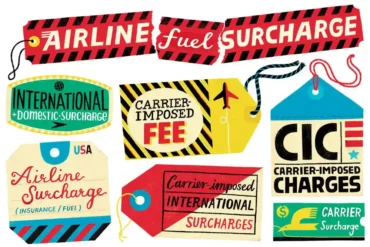
Carrier-imposed charges, often disguised as fuel surcharges, are a hidden cost that can dramatically increase the actual expense of redeeming points and miles for award flights. These fees are not just an outdated relic of fluctuating oil prices—they’re a strategic method for airlines to recoup revenue lost through loyalty redemptions. Understanding how they work and how to avoid them is essential for every savvy traveler looking to maximize the value of their frequent flyer miles.
What Are Carrier-Imposed Charges (Fuel Surcharges)?
Carrier-imposed charges, sometimes labeled as YQ or YR surcharges on ticket breakdowns, are additional fees airlines add to the price of a ticket, especially on award bookings. Originally introduced to offset fuel costs during spikes in oil prices, these charges have since evolved into a permanent revenue tool for many airlines.
When purchasing tickets with cash, these surcharges are typically buried within the total ticket cost, complying with regulations that require airlines to advertise the full fare. However, when using miles or points, these charges are added on top of the mileage redemption—often blindsiding travelers expecting a nearly “free” ticket.
The Origin and Persistence of These Charges
Fuel surcharges became widespread in the early 2000s when oil prices soared. They were supposed to be temporary, reflecting the volatile cost of jet fuel. But when oil prices normalized, most airlines didn’t remove the surcharges. Instead, they renamed or restructured them as carrier-imposed fees, making them a staple of modern airline pricing models.
Today, these charges are not directly tied to real-time fuel costs. They are arbitrarily applied, varying not just by airline, but also by route, booking channel, and partner redemptions. In effect, they serve as revenue insurance for the airline against the high redemption value of premium class award tickets.
Why Do Airlines Still Charge Them?
The answer is simple: profit. Carrier-imposed surcharges allow airlines to maintain the illusion of generous loyalty programs while limiting their financial exposure. Instead of absorbing the full cost of award travel, the airline shifts part of that burden back onto the customer via these fees.
It’s also a pricing manipulation tactic. By keeping the base mileage low and padding the fare with surcharges, airlines can advertise attractive redemption rates that, in practice, come with a hefty cash requirement. This system also allows airlines to push passengers towards cash tickets for better value or to limit redemptions during peak seasons without changing the visible award chart.
How Carrier-Imposed Charges Impact Award Travel
Let’s take a popular route as an example: New York to London in business class using American Airlines AAdvantage miles to book a British Airways flight. While the miles required might be reasonable—say, 57,500 miles one-way—the additional charges can exceed $700 each way.
That’s not a rare case. The impact of fuel surcharges is most severe in premium cabins on international routes. In these cases, you might be spending the same amount in surcharges as you would on a deeply discounted economy cash ticket. Suddenly, your “free” flight isn’t so free after all.
How to Avoid Carrier-Imposed Surcharges on Award Tickets
Research Before Booking
The first and most crucial step is awareness. Not all airlines apply these charges, and even those that do may not apply them on all routes or partners. For example:
- British Airways and Iberia often have heavy surcharges.
- American Airlines rarely charges fuel surcharges on its own flights.
- Singapore Airlines, United Airlines, and Air Canada’s Aeroplan do not impose fuel surcharges.
Use Airline and Award Booking Tools Wisely
Some airline websites, like Alaska Airlines, provide transparent pricing that clearly shows surcharges. Use them to simulate award bookings even if you’ll book elsewhere. Pay attention to the cash component of the fare. If it’s more than taxes and airport fees, you’re likely being hit with carrier-imposed charges.
Be Flexible with Dates and Routes
Availability of surcharge-free options often varies by date and partner. If your search results show only high-fee flights, tweak your travel dates or departure cities. You may uncover alternate flights or partner airlines that don’t carry the same fees.
Use Transferable Credit Card Points
Credit cards that earn transferable points—such as American Express Membership Rewards, Chase Ultimate Rewards, Citi ThankYou Points, and Capital One Miles—give you access to multiple airline partners. This flexibility lets you compare redemption options across programs to find the one with minimal or no surcharges.
Recommended Credit Cards for Transferable Points
- American Express Platinum Card®: 5x points on flights; strong transfer partners.
- Chase Sapphire Preferred®: Broad airline alliances; 3x on travel and dining.
- Capital One Venture Rewards: Flat 2x on all purchases; flexible redemptions.
- Citi Strata Premier® Card: Strong on gas, groceries, and travel.
Airline-by-Airline Breakdown: Who Charges What?
Understanding each airline’s policy helps you avoid unnecessary costs:
United Airlines
United does not charge any fuel surcharges, either on its own flights or when booking partner airlines like Lufthansa, ANA, or Turkish Airlines. It’s one of the most consumer-friendly programs in this regard.
American Airlines
American Airlines doesn’t charge surcharges on its own flights. However, partner redemptions on British Airways and Iberia do include steep fees. Booking the same route on American metal can save hundreds.
Delta Air Lines
Delta does impose carrier-imposed surcharges when flying internationally, whether on Delta metal or partners. There are no surcharges on domestic routes, which is one bright spot. However, long-haul SkyMiles redemptions can be costly.
Air Canada Aeroplan
Aeroplan used to levy heavy surcharges but removed them in 2020. Now, even redemptions on partners like Lufthansa or ANA are surcharge-free. This makes Aeroplan miles extremely valuable for international travel.
Japan Airlines (JAL)
JAL may charge surcharges when redeeming its own miles on certain partners. However, using American or Alaska miles to book JAL-operated flights often avoids those charges.
Singapore Airlines
Singapore Airlines has a no-fuel-surcharge policy, both on its own flights and on several partners, including United and Lufthansa. This policy adds exceptional value to KrisFlyer miles.
China Airlines
China Airlines applies fuel surcharges on many routes. Interestingly, if you use Delta SkyMiles to book a China Airlines flight, the fees often disappear, highlighting how partner bookings can provide leverage.
Strategic Booking: Use Partners and Alliances to Your Advantage
Many major airlines are part of alliances—Star Alliance, oneworld, and SkyTeam. By understanding which airlines share alliances, you can use one airline’s miles to book another’s flights without inheriting their fuel surcharges.
For instance, using Air Canada’s Aeroplan miles to book Lufthansa flights results in no fuel surcharges, even though Lufthansa itself charges them. Similarly, booking British Airways flights with American miles includes surcharges, but booking Finnair or Iberia might not.
When Paying Surcharges Might Be Worth It
Despite their negative reputation, fuel surcharges are not always a dealbreaker. For instance, last-minute bookings on expensive international routes can still offer excellent value, even with high fees.
A $5,000 business class seat for 70,000 miles plus $700 in surcharges may still be a good redemption if it’s a route or date with limited availability. But the key is to know your options and determine whether the surcharge is acceptable given the context.
Final Thoughts: Should You Care?
Yes, you should absolutely care.
Carrier-imposed charges can erase much of the value of your points or miles, particularly when flying internationally or in premium cabins. They are an opaque, inconsistent, and often unavoidable part of award travel. But with smart research, flexible planning, and the right loyalty strategies, you can sidestep most of these fees.
By learning how different airlines handle surcharges and leveraging transferable credit card points, you can drastically reduce—or eliminate—the cash you’ll need to fork over when redeeming miles. In an age where frequent flyer programs have grown increasingly complex, knowing how to dodge carrier-imposed fees gives you a real edge.