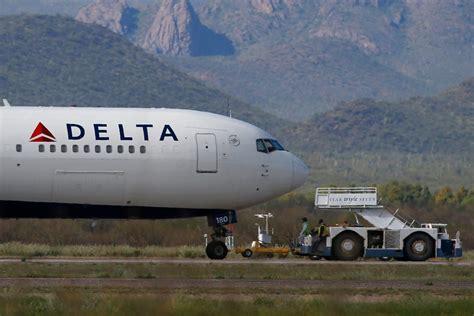
A tragic ramp accident at Orlando International Airport has left a Delta Air Lines employee dead after a tug vehicle collided with a jet bridge connected to a parked Airbus A321. The late-night incident disrupted airport operations, forced passengers to evacuate the aircraft through rear airstairs, and triggered a full investigation involving airport authorities and local law enforcement.
The accident occurred shortly before 11:00 PM on May 7 at one of Orlando International Airport’s Delta gates. According to preliminary information released by the Federal Aviation Administration, an airport tug vehicle struck the jet bridge while Delta Flight DL2593 was preparing for departure to Minneapolis–St. Paul International Airport. The aircraft involved was an Airbus A321-200 carrying passengers at the time of the crash.
Delta later confirmed that one of its ground employees died following the collision. The worker was identified by local reports as a 49-year-old Orlando resident. Medical officials from the Ninth Circuit Medical Examiner’s Office stated that the employee suffered multiple blunt impact injuries.
The incident immediately transformed a routine departure operation into a large-scale emergency response scene, with flashing vehicles surrounding the gate area and operations temporarily halted across portions of the airport.
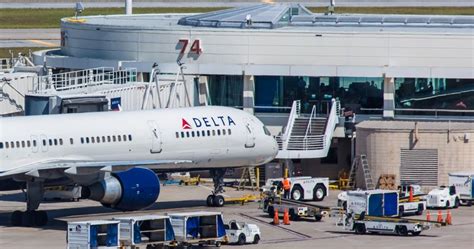
Delta Suspends Operations Following Fatal Orlando Ramp Accident
Passengers onboard the affected aircraft reportedly remained seated briefly after the collision before airport staff initiated a controlled deplaning process using airstairs positioned at the rear of the aircraft. Images and videos recorded by travelers showed emergency crews converging on the gate area while ground operations came to a standstill.
Delta canceled Flight DL2593 following the accident and rebooked travelers onto alternative services. Flight tracking data indicated the aircraft had already been operating behind schedule for several hours before the fatal collision occurred.
In a statement released after the incident, Delta described the loss as devastating for the airline and its workforce.
“The Delta family is heartbroken at the loss of a team member while on the job at Orlando International Airport on the evening of May 7. We are focused on extending our full support to family and taking care of our Orlando team during this difficult time.”
Airport officials from the Greater Orlando Aviation Authority also expressed condolences while confirming that investigations were underway to determine exactly how the tug vehicle impacted the jet bridge structure.
Passengers aboard nearby aircraft initially believed the scene unfolding outside their windows was part of an airport training drill. However, as emergency vehicles multiplied and departures slowed, the seriousness of the incident became clear. Some outbound flights returned to gates, while inbound aircraft experienced delays or diversions as airport teams secured the affected ramp area.
Investigation Focuses On Ground Vehicle And Jet Bridge Collision
Authorities have not yet disclosed the exact sequence of events leading to the crash. Investigators are expected to examine several operational factors, including vehicle speed, ramp visibility, communication procedures, and aircraft servicing activity occurring at the gate during the collision.
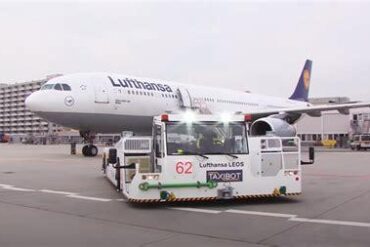
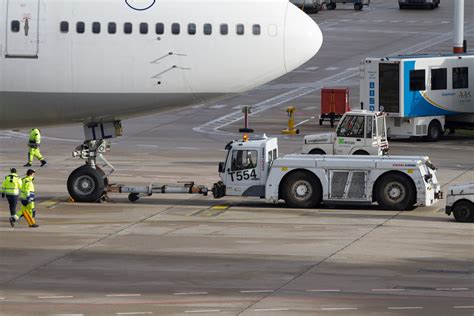
Airport tug vehicles are among the most commonly used machines in ground operations. Despite their relatively compact appearance, they are engineered to tow and reposition aircraft weighing tens of thousands of pounds. Their power and constant movement around congested ramp environments make precision and coordination essential.
Jet bridges also represent critical airport infrastructure. A forceful collision can damage hydraulic systems, passenger boarding mechanisms, electrical connections, and structural supports. Even minor impacts frequently require inspections before gates can safely return to service.
Because passengers were onboard the aircraft during the incident, investigators will likely review emergency response timelines and evacuation procedures in addition to the operational causes of the collision itself.
Ground Handling Risks Continue To Challenge Airport Safety
While commercial aviation maintains one of the world’s strongest safety records, airport ramp operations remain inherently hazardous. Ground crews work in confined environments surrounded by moving aircraft, service vehicles, fuel systems, baggage equipment, and tight operational schedules.
Fatal tug-related incidents, though uncommon, continue to occur across major airports worldwide. In January 2025, an American Airlines employee died after being struck by a tug vehicle at Charlotte Douglas International Airport. The same airport experienced another deadly tug accident in 2019 after a vehicle overturned when it hit loose baggage on the ramp.
These incidents highlight how quickly routine ground operations can become catastrophic. Unlike airborne emergencies that attract global attention, ramp accidents often occur out of public view despite involving serious risks to airport workers.
Industry safety experts have repeatedly emphasized the importance of strict ramp discipline, enhanced vehicle monitoring systems, improved driver training, and fatigue management protocols. Airports have also increasingly explored automated safety technologies designed to detect obstacles, monitor vehicle movements, and reduce human error in congested gate areas.
At Orlando International Airport, investigators now face the task of determining whether mechanical failure, operational miscommunication, environmental conditions, or procedural breakdowns contributed to the fatal crash.
Orlando Airport Operations Recover After Overnight Disruptions
Although only one Delta flight was officially canceled, the impact of the accident spread across the airport network overnight. Delays affected departures and arrivals throughout Orlando International Airport as emergency responders secured the gate area and airline teams coordinated passenger reaccommodation.
Several aircraft inbound to Orlando reportedly adjusted routes or diverted while ground operations stabilized. By the following day, most airport activity had resumed, though the investigation into the collision remained active.
The death of the Delta employee has once again drawn attention to the often-overlooked dangers faced by airport ground workers. While passengers typically associate aviation safety with pilots and aircraft systems, thousands of ramp employees operate in high-risk environments every day to keep flights moving safely and efficiently.
For Delta employees in Orlando, the accident marked a somber reminder of how quickly ordinary airport routines can turn tragic.