United Airlines is sharpening its digital edge with a practical upgrade that targets one of air travel’s most frustrating variables: uncertainty at security checkpoints. In early 2026, the carrier rolled out a new TSA wait-time tracking feature within its mobile app, giving passengers real-time visibility into how long they can expect to spend in security lines before even stepping foot in the airport.
The move reflects a broader shift in the aviation industry toward data-driven passenger experiences. As travel demand continues to surge past pre-pandemic levels, bottlenecks at airport security have become increasingly common. United’s latest feature is designed to bring clarity to that chaos, allowing travelers to make smarter, more informed decisions about when to arrive and how to navigate their journey.
A Smarter Way to Navigate Airport Security
For years, travelers have relied on rough estimates or word-of-mouth to gauge TSA wait times. That unpredictability often led to unnecessary stress—arriving too early and wasting time, or cutting it too close and risking missed flights. United’s new feature eliminates much of that guesswork by embedding live wait-time data directly into its mobile app interface.
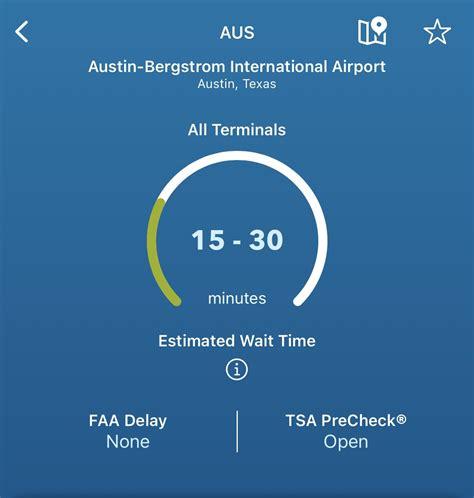
Passengers can now view estimated security wait times alongside their boarding passes. These estimates are categorized into easy-to-understand ranges, such as under 10 minutes, 10–20 minutes, or longer delays. The system continuously updates throughout the day, reflecting real-time fluctuations in passenger flow and checkpoint congestion.
This integration transforms the app from a simple travel companion into a proactive planning tool. Instead of reacting to airport conditions, travelers can anticipate them—adjusting departure times, choosing alternate checkpoints, or simply enjoying peace of mind before leaving home.
Seven Major Airports Lead the Rollout
The initial deployment focuses on seven of United’s busiest hub airports, where passenger volumes can reach tens of thousands daily. These high-traffic environments often experience significant congestion, particularly during peak travel hours.
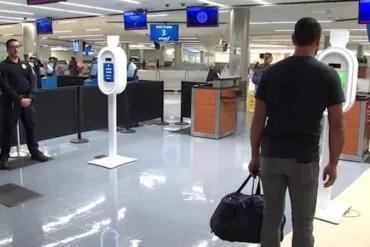
Airports included in the rollout are among the most critical nodes in United’s network, where delays at security can ripple across the entire travel experience. At hubs like Chicago O’Hare and Newark Liberty, wait times during busy periods frequently stretch beyond 30 minutes. By offering real-time insights, United aims to smooth passenger flow and reduce last-minute surges at boarding gates.
The decision to start with major hubs is strategic. These locations generate the most data and present the greatest opportunity for operational impact. As the system proves its reliability, expansion to additional airports is expected.
Real-Time Data Meets Operational Efficiency
Behind the scenes, the feature is powered by a combination of airline data and checkpoint throughput monitoring. By analyzing how quickly passengers move through security lanes, the system generates dynamic estimates that adapt to changing conditions throughout the day.
This real-time intelligence doesn’t just benefit travelers—it also supports airport operations. When passengers adjust their arrival times based on accurate wait data, congestion becomes more evenly distributed. That reduces pressure on TSA staff and helps maintain smoother overall airport flow.
The collaboration between airlines and security agencies marks an important evolution in how travel infrastructure operates. Data-sharing initiatives have become increasingly sophisticated, enabling more precise forecasting and better communication with passengers.
Enhancing the Mobile App Ecosystem
United’s mobile app has already established itself as a central hub for managing the travel journey. Features like gate change alerts, boarding notifications, and baggage tracking have become standard tools for millions of users. The addition of TSA wait-time tracking strengthens this ecosystem, reinforcing the app’s role as a comprehensive travel assistant.
The timing of this upgrade is significant. Industry data suggests that a growing share of passengers now depend on mobile apps for real-time updates. As expectations rise, airlines are under pressure to deliver more than just booking and check-in functionality—they must provide actionable insights that improve the entire travel experience.
United’s investment in digital innovation reflects this reality. By continuously expanding its app’s capabilities, the airline is positioning itself as a leader in passenger-centric technology.
Implications for TSA PreCheck and Traveler Behavior
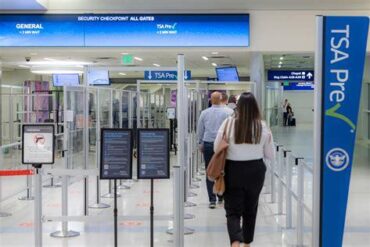
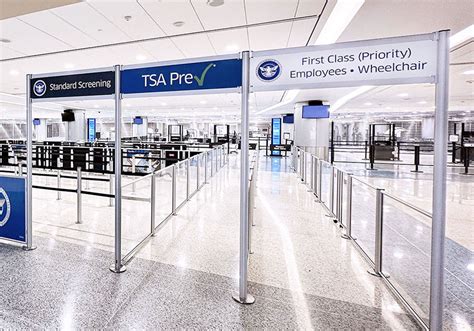
One of the more subtle impacts of the new feature lies in how it may influence traveler decision-making. By comparing wait times between standard security lanes and expedited options, passengers can better evaluate the value of programs like TSA PreCheck.
If travelers consistently see shorter wait times in expedited lanes, enrollment in such programs could increase. Over time, this behavioral shift may further optimize checkpoint usage, balancing demand across different screening options.
At the same time, the feature introduces a level of transparency that has historically been lacking in airport security. Travelers are no longer navigating blind—they are equipped with data that empowers smarter choices.
Reducing Uncertainty in a High-Stress Environment
Air travel is often defined by its uncertainties, from weather delays to last-minute gate changes. Security wait times have long been one of the most unpredictable elements of the journey. United’s new tracker addresses this pain point directly, offering clarity where it matters most.
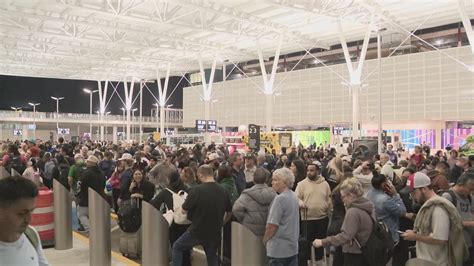
During peak travel seasons—such as summer holidays or Thanksgiving—security lines can become especially volatile. Having access to real-time estimates allows passengers to plan accordingly, reducing stress and improving overall satisfaction.
Looking ahead, the feature could evolve even further. Predictive analytics based on historical trends and flight schedules may soon provide forward-looking estimates, helping travelers anticipate conditions hours in advance. Integration with biometric screening systems is another possibility, potentially streamlining the entire security process.
A Step Toward More Transparent Air Travel
While still in its early stages, United Airlines’ TSA wait-time tracker represents a meaningful step toward a more transparent and efficient travel experience. Its success will depend on accuracy, scalability, and continued collaboration with security agencies.
If widely adopted, this type of real-time visibility could become a standard feature across the airline industry. For now, United has taken a decisive step forward—turning data into a tangible benefit for travelers and redefining what passengers expect from a modern airline app.