Navigating the journey toward a Private Pilot License for Gliders (PPL-G) at Right Rudder Aviation offers an experience filled with unique opportunities and challenges. As one of the few schools specializing in Touring Motor Glider (TMG) instruction, Right Rudder positions itself distinctively within the aviation education landscape. However, to fully understand what a student may encounter, it is crucial to dissect the training nuances, regulatory differences, performance concerns, and real-world reports that shape this specialized learning path.
Right Rudder Aviation’s Focus on Touring Motor Gliders
Unlike pure glider schools, Right Rudder Aviation emphasizes training with Touring Motor Gliders, aircraft that possess an engine yet are fundamentally rooted in soaring principles. This distinction influences the entire learning structure. Unlike traditional gliders that rely purely on thermal and ridge lift, TMGs introduce powered flight elements, potentially diluting the core soaring discipline if not carefully managed during instruction. To bridge this gap, Right Rudder instructors must intentionally replicate glider conditions by setting the throttle to idle and deploying spoilers to simulate powerless approaches and landings.
Failure to enforce these methods can lead to habits aligned more with airplane operations than true gliding, depriving students of essential skills such as energy management, precision planning, and emergency preparedness critical for off-airport landings.
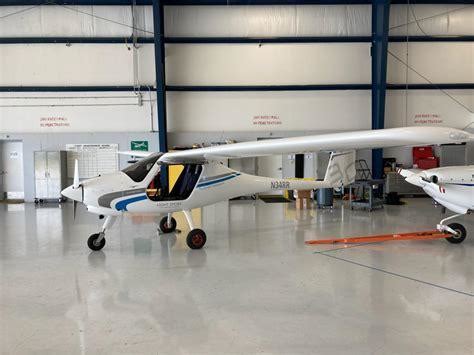
Another practical consideration lies in aircraft availability post-certification. Touring Motor Gliders remain a rarity in the rental market, meaning that students often must purchase their own aircraft to continue flying. Moreover, ownership often tempts pilots to rely on the engine, reducing opportunities to sharpen soaring skills and to maintain the disciplined mindset needed for glider safety.
Regulatory and Licensing Differences Between PPL-G and PPL-Airplane
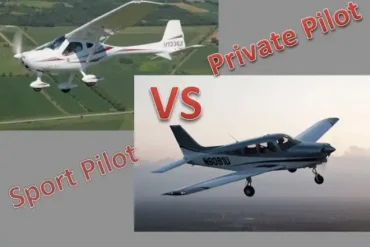
Understanding the regulatory landscape is vital when choosing between a PPL-G and a PPL-Airplane. A glider rating requires notably fewer tasks than its airplane counterpart. Candidates pursuing a PPL-G with a self-launch endorsement avoid the rigors of:
- Cross-country navigation requirements
- Simulated instrument flight
- Night flying
- Operations in controlled airspace
These omissions simplify the checkride process, offering a more streamlined path to certification. However, there are strategic trade-offs. Without a Class 3 Medical Certificate, pilots certified under PPL-G regulations cannot rent or operate standard powered aircraft like the ubiquitous Cessna 172. Thus, individuals aiming for broader flying opportunities would find a PPL-Airplane or PPL-LSA more versatile.
Safety and Performance Challenges in TMG and LSA Operations
Touring Motor Gliders, particularly lightweight models, exhibit unique vulnerabilities. In turbulent conditions, such as thunderstorms, aggressive downdrafts, or during operations in hot and humid climates, these aircraft can quickly become overwhelmed. Their lower mass and power margins demand rigorous off-airport landing preparation and contingency planning.
Historical incidents underline these risks. One case involved an electric self-launch glider suffering total battery failure mid-flight, resulting in a crash into a residential area. In stark contrast, a gas-powered self-launching glider, operated under similar conditions, managed a safe precautionary landing due to the pilot’s adherence to a fundamental principle: never depend on the engine to reach the runway unless its achievement is already assured.
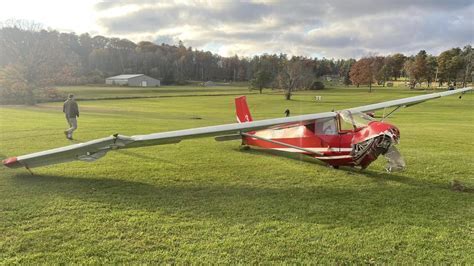
Training programs at Right Rudder must deeply instill this principle. Students must learn to view the engine as an ancillary benefit rather than a primary safety net.
Training Strategies at Right Rudder and Alternative Options
Efficient training methodologies at Right Rudder hinge on maximizing the TMG’s capabilities to replicate authentic glider experience. Effective instructors can engineer sessions involving 5–10 landings per lesson, focusing exclusively on spoiler-only approaches with idle throttle settings. This repetition sharpens critical judgment, develops precise energy management, and cements the mental discipline essential for safe soaring.
However, the success of this approach is contingent upon instructor proficiency and adherence to pure-glider protocols. Alternative training pathways, such as those offered by clubs like Seminole Lake Gliderport and Treasure Coast Soaring Club, present compelling benefits. These clubs offer true glider experiences with strong thermalling conditions, robust peer mentoring, and organizational oversight that fosters deep immersion into the soaring culture.
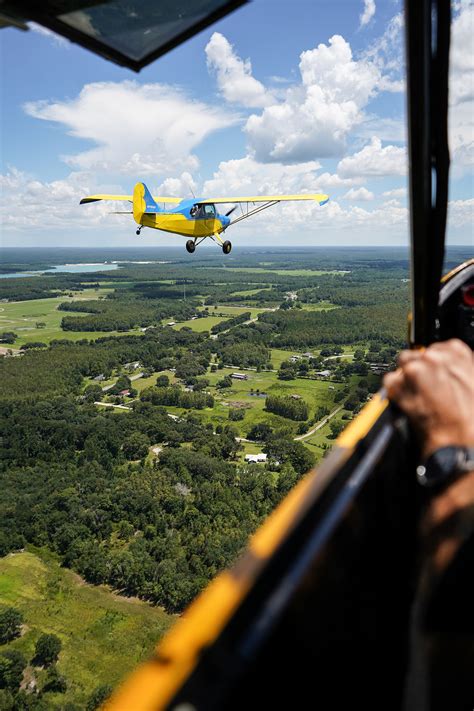
While the initial cost and scheduling flexibility of club-based instruction may differ from a professional academy like Right Rudder, the depth and authenticity of experience often outweigh these logistical challenges.
First-Hand Reports and Real-World Experiences at Right Rudder Aviation
Students’ anecdotal reports about training at Right Rudder Aviation reveal a mixed portrait. One notable case involved a student whose Pipistrel aircraft became grounded due to maintenance issues, leaving them unable to fly. Simultaneously, the assigned Ground School instructor failed to show for multiple sessions, culminating in a prolonged dispute over refund entitlements. Sources recommended alternatives like soarpaso.com for more reliable administrative support.
In another instance, a candidate attempting to add a Commercial Pilot License for Gliders (CPL-G) faced extended delays awaiting a qualified glider Designated Pilot Examiner (DPE). Ultimately, the student transferred to Seminole Lake Gliderport, where they completed their checkride efficiently and gained exposure to higher-caliber soaring mentorship.

Such accounts highlight a critical caveat: while Right Rudder offers a viable and potentially rewarding path for TMG-based PPL-G training, the experience heavily depends on instructor quality, equipment maintenance, and administrative responsiveness.
Critical Recommendations for Prospective Students
Prospective PPL-G students considering Right Rudder Aviation must approach the opportunity with an informed strategy:
- Insist on spoiler-only landing practice under idle throttle conditions.
- Seek an instructor committed to teaching glider mindset discipline, not just mechanical operation.
- Understand the post-certification aircraft availability issues inherent to TMGs.
- Investigate alternative or supplemental training opportunities at pure-glider clubs.
- Clarify refund, rescheduling, and maintenance policies in writing prior to commitment.
By proactively managing these factors, students can maximize their training quality and align their certification pathway with long-term soaring ambitions.
Conclusion: Is Right Rudder Aviation the Right Choice for You?
Training at Right Rudder Aviation provides a unique avenue into the world of soaring via Touring Motor Gliders. However, this path demands vigilance, self-discipline, and strategic planning. Students must ensure that TMG operations are treated as gliding exercises, not airplane alternatives. They must verify that instructional methods reinforce energy management skills, off-airport readiness, and independent soaring competence.
When executed correctly, training at Right Rudder can yield pilots equipped with strong fundamentals and adaptable flying skills. When mishandled, however, students risk falling into a dangerous middle ground—insufficiently skilled for either pure glider or powered airplane environments. By understanding these dynamics fully, prospective aviators can chart a course that ensures success, safety, and soaring freedom.