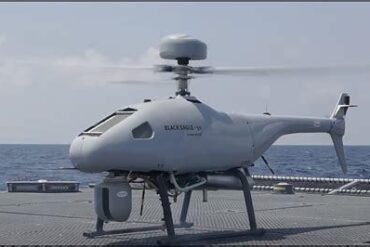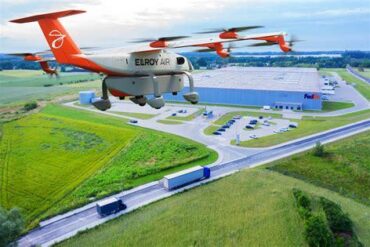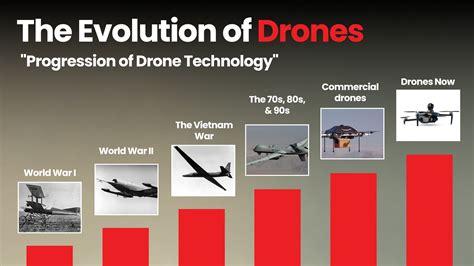
Drones have transitioned from rudimentary military tools to transformative assets across nearly every modern industry. As we approach 2025, unmanned aerial vehicles (UAVs) are no longer just aerial platforms; they are intelligent, autonomous systems powered by AI, advanced sensors, and sustainable energy. Understanding the trajectory of drone technology isn’t just about history—it’s a blueprint for what lies ahead.
From War Machines to World-Changing Tools
The genesis of drones lies deep in military necessity. Their early form, appearing as crude pilotless aircraft during World War I, hinted at their potential despite technical limitations. As warfare evolved, so did UAVs.
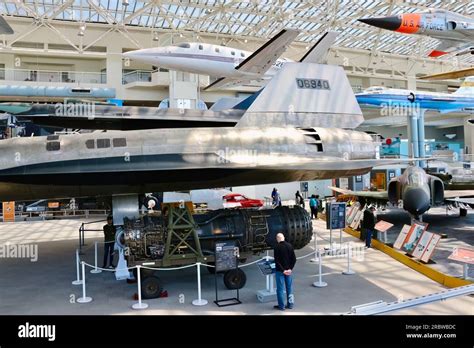
During the Cold War, high-speed reconnaissance became critical. The Lockheed D-21, for instance, exemplified cutting-edge unmanned intelligence gathering, flying deep into contested airspace where manned missions were too risky.
By the 1990s, the U.S. military introduced the Predator drone, merging real-time surveillance with strike capabilities. This marked the beginning of remotely piloted aerial warfare, shaping global military doctrine.
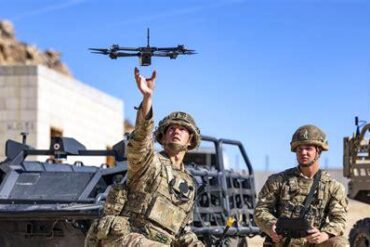
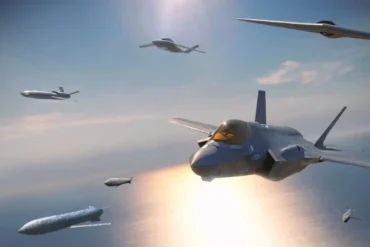
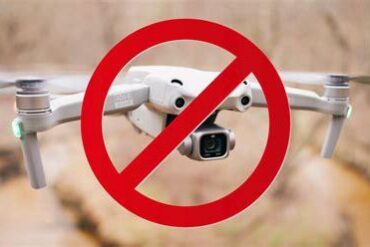
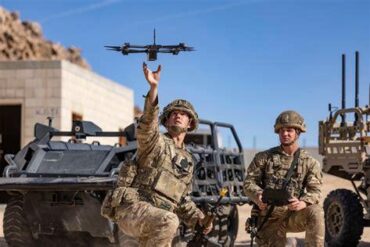
Fast forward to the 2020s, drones dominate battlefields from Ukraine to the Middle East. Commercial quadcopters and loitering munitions serve both surveillance and offensive functions. Their proliferation has sparked a parallel boom in counter-drone systems—jamming, detection, and neutralization technologies that reflect the new drone arms race.
Entering Civilian Airspace: The Drone Democratization
The early 2000s marked a pivotal shift as drones entered the consumer and enterprise markets. Chinese manufacturer DJI revolutionized personal drones with the Phantom series, integrating GPS stabilization and intuitive controls. Suddenly, aerial photography and cinematography were accessible to the masses.
During the 2010s, the FAA implemented regulatory frameworks, granting legitimacy to commercial drone operations. Hollywood embraced UAVs, enhancing productions like Game of Thrones and James Bond with immersive aerial visuals.
In the 2020s, drones became indispensable across diverse sectors:
- Public safety: Real-time surveillance and search-and-rescue.
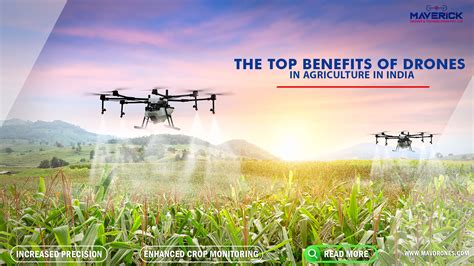
- Agriculture: Precision farming and crop health analytics.
- Construction: Site mapping and infrastructure inspections.
- Logistics: Last-mile autonomous delivery.
The shift from military exclusivity to public utility has made UAVs vital instruments of productivity, safety, and creativity.
Today’s Drone Capabilities: Smarter, Longer, Farther
The modern drone is an intersection of AI, data analytics, and engineering efficiency. Key technologies now define UAV utility in industrial and professional settings.
AI Navigation and Real-Time Sensing
Autonomous flight is now guided by machine learning algorithms that detect and avoid obstacles, navigate complex terrain, and optimize flight paths. These capabilities have minimized the need for skilled human pilots while increasing mission reliability.
Extended Flight Endurance
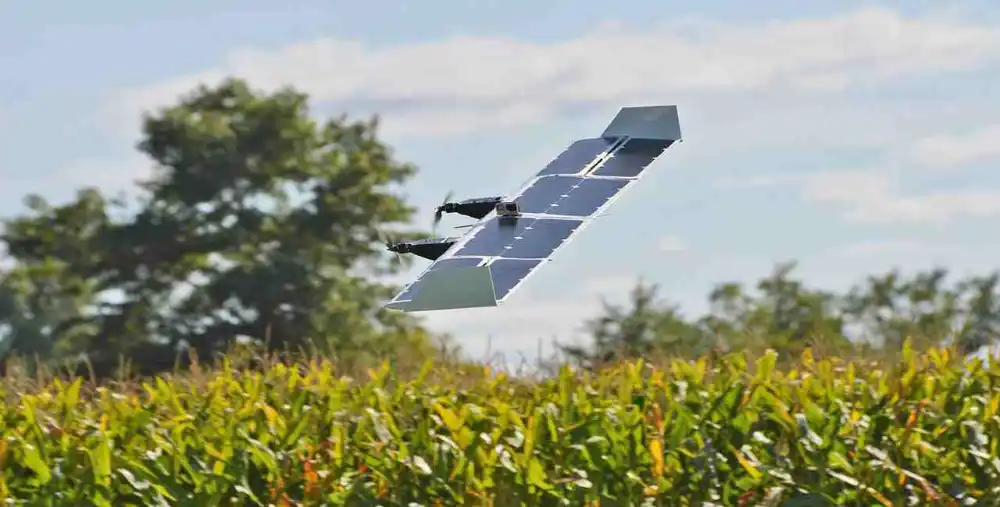
Advanced lithium batteries allow 60–70 minute flights, while hydrogen fuel cells and solar-assist tech push drones into multi-hour or even multi-day operations. In industries like security and inspection, automated battery swap systems support near-continuous deployment.
Beyond Visual Line of Sight (BVLOS)
The FAA’s Part 108 proposal and Remote ID mandates have laid the groundwork for routine BVLOS operations. Drones can now monitor power corridors, wildfire zones, and public safety regions without needing a pilot in sight.
Precision Imaging with LiDAR & Thermal Cameras
- LiDAR sensors produce centimeter-accurate topographical maps.
- Thermal cameras enable hazard detection, firefighting, and survivor location in SAR missions.
These tools transform raw aerial footage into actionable intelligence.
Swarm Capabilities
Drones now collaborate in coordinated swarms, ideal for:
- Agriculture: Simultaneous crop spraying.
- Defense: Multi-angle surveillance.
- Environmental Monitoring: Wide-area data capture.
Transforming Industries with UAV Integration
Public Safety
Emergency responders leverage drones for crowd monitoring, suspect tracking, and scene reconstruction. Firefighters deploy UAVs to locate hotspots using AI-enhanced thermal imaging. In disaster zones, long-endurance drones assist in assessing structural damage and directing response teams.
Agriculture
Farming has embraced UAVs for multispectral imaging, allowing precise management of water, fertilizer, and pesticides. Models like the DJI Agras T50/T60 automate spraying at scale. Farmers rely on drone data for predictive analytics and soil health mapping, drastically improving yields and sustainability.
Construction & Infrastructure
Drones conduct hazard-free inspections of bridges, towers, and industrial sites. With AI-driven 3D mapping, project managers generate digital twins, monitor progress, and reduce risk. Automated aerial surveys also streamline regulatory compliance and quality assurance.
Cinematography
From 8K RAW aerial shots to agile FPV drones, filmmakers now create perspectives once impossible. Drones also power live broadcasting, virtual tourism, and augmented reality environments, setting new standards in immersive storytelling.
The Future of Drones: What’s Coming in 2025 and Beyond
Full Autonomy through AI
Next-gen UAVs will require no human oversight. They will:
- Analyze environments in real time.
- Detect and react to obstacles.
- Adjust mission parameters on the fly.
Operators will focus purely on strategic planning, while drones execute end-to-end operations autonomously.
Self-charging docks will become common, enabling 24/7 missions in surveillance, agriculture, and industrial inspection. Edge AI processors will reduce cloud dependency, delivering instant analytics and enabling collaborative drone swarms to function with military precision.
Game-Changing Power Systems
- Hydrogen Fuel Cells: Achieve 3–6 hours of zero-emission flight, already in use for long-range delivery and reconnaissance.
- Solar UAVs: Power multi-day monitoring missions in remote environments.
- Battery Swap Docks: Enable seamless field operations, drastically cutting downtime and maintenance costs.
These innovations will unlock new use cases, from persistent border patrol to real-time environmental sensing.
Regulatory Transformation
BVLOS approvals and Remote ID frameworks are enabling more widespread drone use across airspace. Meanwhile:
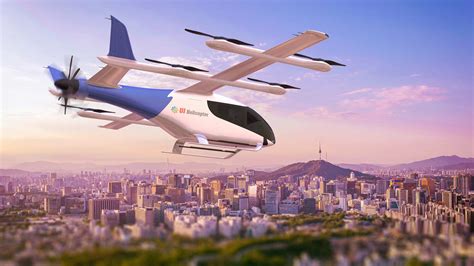
- Urban Air Mobility (UAM) is transitioning from prototype to practice. Companies like Joby Aviation and EHang are actively trialing passenger drones.
- 5G and satellite connectivity will support low-latency, global UAV operations.
By 2025, analysts forecast the drone market to exceed $54 billion, led by heavy-lift, AI-powered, and industry-tailored UAVs.
Who Needs to Upgrade Now—and Why
Industrial Operators
For sectors like construction, energy, and inspection, automation, data quality, and safety are paramount. Older drones lack the capabilities needed to compete.
Recommended Upgrades: Matrice 4T, DJI Dock, Autel Evo Max
Filmmakers & Content Creators
Creatives demand drones that combine AI tracking, dynamic FPV control, and professional-grade imaging.
Recommended Upgrades: DJI Inspire 3, Mavic 3 Pro Cine
Emergency Responders
Speed, reliability, and visual accuracy are mission-critical. New drones offer thermal precision, rapid deployment, and multi-environment endurance.
Recommended Upgrades: Matrice 350 RTK, DJI M30T
Future-Proofing Your Drone Fleet
Evaluate Your Current Platform
Ask:
- Do your drones offer AI automation?
- Is battery life a limiting factor?
- Are your sensors outdated?
- Are you struggling with compliance?
If so, upgrading ensures alignment with future operational demands.
Choose by Use Case
- Industrial: Matrice 4T, DJI Dock, Autel Evo Max
- Public Safety: Matrice 350 RTK, DJI M30T
- Cinematography: DJI Inspire 3, Mavic 3 Pro Cine
Why Staying Ahead Is No Longer Optional
The drone frontier is expanding rapidly. In 2025 and beyond, competitive advantage depends on how well UAVs are integrated into workflows. Organizations that adapt gain:
- Automated efficiency through AI.
- Superior data accuracy with next-gen sensors.
- Regulatory readiness for airspace integration.
- Endurance and flexibility with hybrid power systems.
Whether you’re monitoring crops, producing films, inspecting infrastructure, or saving lives—the next generation of drones isn’t a luxury; it’s a necessity.