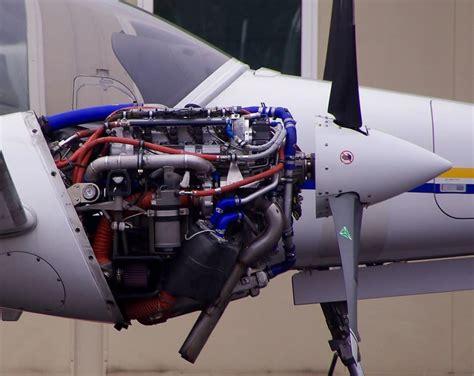
The notion of diesel engines powering aircraft may seem unusual at first glance. When we picture diesel, it’s usually in the context of trucks or industrial machinery, not sleek aircraft cruising at altitude. Yet, diesel technology in aviation is not only real — it’s advancing and carving out a distinct niche in general aviation. Despite limited adoption, manufacturers like Diamond Aircraft, Piper Aircraft, and engine builders such as Continental Aerospace Technologies and DeltaHawk are leading this unconventional movement.
Why Diesel in the Skies?
Diesel engines in airplanes operate on the principle of compression ignition, similar to ground-based diesel vehicles, eliminating the need for spark plugs. More importantly, these engines can run on Jet A fuel, which is more globally accessible and affordable compared to 100LL avgas. This opens the door to enhanced fuel logistics and cost savings, particularly in regions where avgas is scarce or prohibitively expensive.
Diesel aircraft engines also offer greater thermal efficiency, meaning they extract more energy from each drop of fuel. This leads to superior fuel economy, longer range, and less frequent refueling stops — benefits that resonate strongly with both private pilots and commercial training fleets.
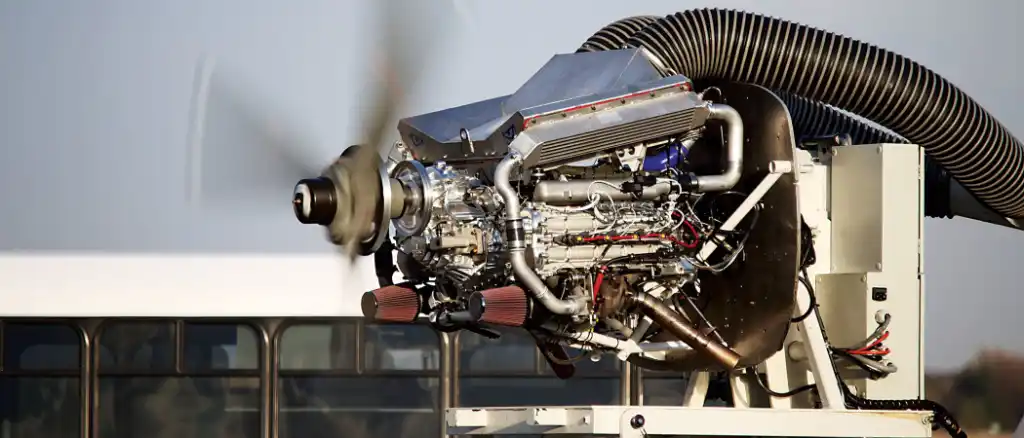
Diamond Aircraft: Pioneering Diesel Integration
Diamond Aircraft, headquartered in Austria, has been the most consistent in adopting diesel engine technology. The company’s entire product line, from the single-engine DA40 to the twin-engine DA42 and DA62, along with the high-performance DA50 RG, can be equipped with diesel engines. These aircraft are particularly popular in flight schools and training environments due to their fuel efficiency, simplicity, and reliability.
What sets Diamond apart is its close partnership with engine manufacturers and its commitment to integrated airframe and powerplant development. The diesel-powered DA42, for example, has become a favorite among multi-engine flight schools for its low fuel consumption and excellent handling.
Piper’s Targeted Diesel Offerings
Piper Aircraft, a legacy U.S. brand, offers diesel variants in its Archer DLX and DX models. These are built specifically for training and light touring, equipped with diesel engines to take advantage of the increased range and lower fuel costs. According to Piper, the diesel-powered Archer DX achieves up to 848 nautical miles, a significant improvement over the 522 nautical miles of its avgas counterpart — an increase of more than 60%.
Such performance gains, combined with the simplicity of FADEC (Full-Authority Digital Engine Control), make these aircraft ideal for new pilots and training programs. FADEC eliminates manual engine management by automating throttle, mixture, and propeller settings through a single control lever, allowing pilots to focus on navigation and safety.
The Rise and Fall of the Cessna Turbo Skyhawk JT-A
While Cessna briefly dabbled in diesel technology with the Turbo Skyhawk JT-A, its venture was short-lived. The model debuted in 2014 but was discontinued by 2018. Despite certification, lack of sufficient market traction led to its demise. Still, diesel enthusiasts can retrofit existing Cessna 172 Skyhawks with aftermarket diesel engines from certified manufacturers, bypassing the need to rely on factory-built diesel variants.
Continental Aerospace: Retrofitting the Skies
Continental Aerospace Technologies offers the CD-100 series, a lineup of diesel engines ranging from 135 to 300 horsepower. These engines come with retrofit kits for a broad array of aircraft including the Cessna 172, Piper PA-28, Diamond DA40, DA42, Robin DR400, and Tecnam P2010. These kits are designed for compatibility and ease of installation, helping breathe new life into older planes by significantly upgrading their fuel systems and range capabilities.
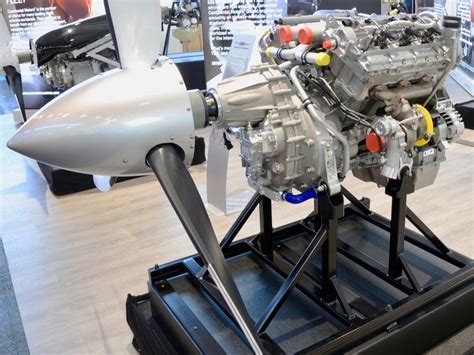
Retrofitting offers a practical solution for operators unwilling or unable to invest in new airframes. Though the cost of diesel conversions can exceed $70,000, the long-term savings in fuel costs and engine maintenance often justify the expense, especially for commercial operations or flight schools with high utilization rates.
DeltaHawk: A Fresh Blueprint for Diesel Engines
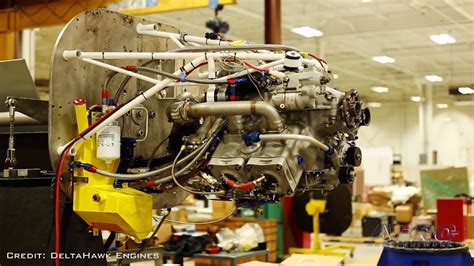
In contrast to Continental, DeltaHawk adopts a clean-sheet design philosophy. Their DHK series offers power outputs from 180 to 235 horsepower and is built specifically for Jet A or diesel. DeltaHawk engines are engineered from scratch for aviation, making them potentially more efficient and better suited to airframe integration.
This commitment to purpose-built diesel technology, rather than adapting existing designs, could signal a new generation of diesel engines focused on weight reduction, performance, and environmental compliance. The company aims to appeal not only to retrofitting markets but also to OEMs looking for high-efficiency powerplants.
The Environmental and Economic Equation
One of the most compelling advantages of diesel aircraft engines lies in their environmental impact. Traditional 100LL avgas contains lead, a hazardous pollutant. In contrast, Jet A and diesel fuels are unleaded and burn more cleanly. This aligns with global aviation emissions standards and growing pressure to eliminate leaded aviation fuels.
From a financial perspective, the cost differential between Jet A and 100LL is substantial — particularly in Europe, where Jet A is far more accessible and often costs one-third as much. For international operators and flight schools, the ability to operate on Jet A offers significant operating cost reductions.
Diesel engines are also generally more durable and require less frequent maintenance, translating into lower long-term operating costs. These benefits are particularly relevant for high-use aircraft in fleet operations, where every gallon and hour of downtime counts.
The Trade-offs: Initial Cost and Weight
Despite all the benefits, diesel engines are not without drawbacks. The initial acquisition or retrofit cost can be prohibitive for recreational pilots. Additionally, diesel engines are often heavier than avgas counterparts, which can impact payload and performance in some aircraft models.
Moreover, the availability of maintenance personnel trained on diesel aircraft engines remains limited, although this is changing as adoption increases. Pilots may also face longer lead times for parts and limited service center networks depending on their geographic location.
Are Diesel Engines the Future of General Aviation?
There’s little doubt that diesel aircraft engines offer a viable and increasingly attractive alternative to traditional piston engines, especially in a world where environmental and economic pressures are mounting. While adoption in commercial airliners remains unlikely due to different power requirements, their role in general aviation, flight training, and regional operations is poised to grow.
Manufacturers like Diamond and Piper have demonstrated real-world success, and retrofit options from Continental and DeltaHawk provide flexibility for existing aircraft owners. The technology is proven, efficient, and in alignment with aviation’s future fuel and emissions landscape.
For pilots, schools, and operators willing to embrace change, diesel engines represent more than an alternative — they may well become the standard in a new era of responsible and cost-effective flying.