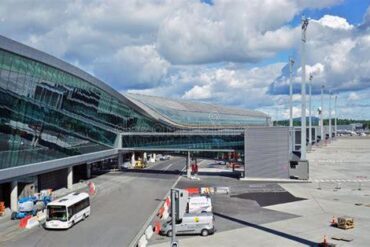
Norway’s vibrant capital, Oslo, has recently been hailed as the second smartest city in the world according to the prestigious IMD Smart City Index, trailing only behind Zurich, Switzerland. This accolade is a testament to Oslo’s unwavering commitment to innovation, sustainability, and smart urban planning. As a city that seamlessly blends cutting-edge technology with rich cultural and natural landscapes, Oslo has become a beacon for both innovation and tourism in Europe.
The city’s unique charm lies not only in its advanced infrastructure but also in its breathtaking natural beauty, which surrounds it. With a plethora of green spaces and a rich cultural scene, Oslo consistently ranks high in global happiness indices. This harmonious connection between nature and urban living is pivotal to the Norwegian way of life.
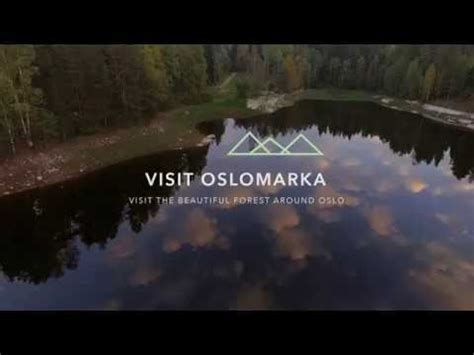
One of the standout features of Oslo is its unparalleled access to nature. Unlike many metropolitan areas, Oslo is embraced by vast forests and serene landscapes, making it a paradise for outdoor enthusiasts. Just a short public transport ride from the city center lies the Oslomarka forest, a protected area that is home to diverse wildlife such as lynx, wolves, moose, beavers, and roe deer. This natural haven offers an array of activities, from hiking and skiing to cycling, all within minutes of the bustling urban environment.
Beyond its natural offerings, Oslo is a cultural epicenter teeming with world-class museums. The newly opened National Museum showcases Norway’s artistic heritage, while the MUNCH Museum celebrates the works of the iconic artist Edvard Munch. These cultural institutions not only attract local visitors but also draw international attention, firmly establishing Oslo as a key player in Europe’s cultural landscape. Furthermore, the upcoming Museum of the Viking Age, set to open in 2027, promises to further enrich the city’s historical narrative, offering an immersive glimpse into the lives of the legendary Norsemen.
Oslo is also the proud home of the Nobel Peace Prize, a globally recognized accolade that underscores the city’s dedication to fostering peace and understanding. The Nobel Peace Centre serves as a prominent cultural institution, providing visitors with a chance to explore exhibits that celebrate past laureates and their contributions to global harmony. This pivotal role in the international dialogue surrounding peace and conflict resolution adds another layer to Oslo’s allure as a tourist destination.
In terms of sustainability, Oslo sets a remarkable example for cities worldwide. The city’s architecture, infrastructure, and transportation systems reflect a strong commitment to green urban living. With initiatives promoting clean energy, cycling, and electric vehicles, Oslo stands out as one of Europe’s most environmentally conscious cities. Its smart infrastructure, encompassing innovative public transportation and efficient waste management systems, bolsters its reputation as a modern, eco-friendly metropolis.
Despite its many accolades, Oslo does carry a reputation for being an expensive city. The high cost of living, particularly regarding accommodation and dining, can pose challenges for travelers. However, the city offers a range of luxurious options for those looking to indulge in its upscale offerings. The Sommerro Hotel, for instance, serves as an opulent base for exploration, providing lavish amenities and a prime location near some of the city’s most popular cultural and historical sites.
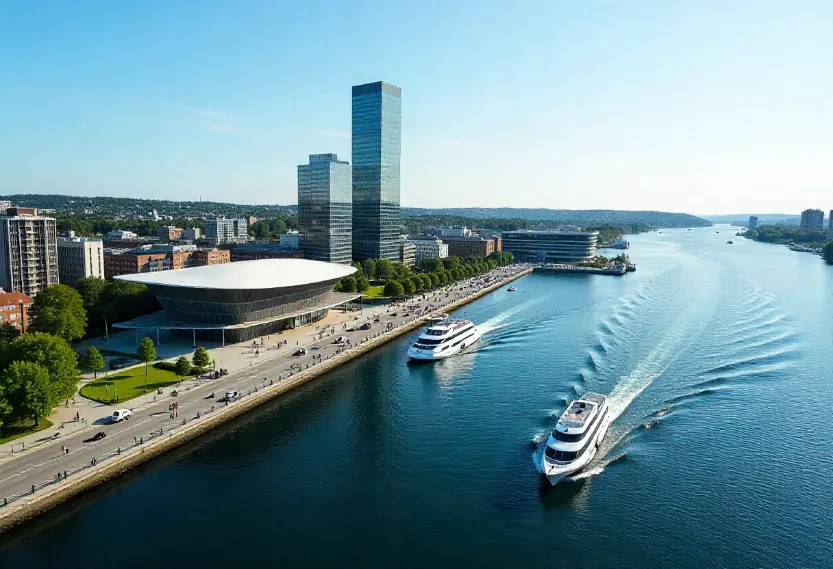
Visitors to Oslo should not miss the stunning waterfront area, which has been thoughtfully developed to feature modern architecture, picturesque views, and a variety of dining and entertainment options. A ferry ride across the Oslo Fjord provides a unique perspective of the city, allowing travelers to admire the surrounding islands and the tranquil waters of the fjord. This charming maritime district offers everything from scenic walks along the waterfront to enjoying delightful meals at some of the city’s top restaurants.
Oslo’s leisure activities cater to all types of travelers, especially those who thrive on an outdoor lifestyle. During the winter months, skiing becomes a favored pastime, while summer invites visitors to enjoy the city’s numerous parks, such as Frogner Park and the renowned Vigeland Sculpture Park. These green spaces provide peaceful escapes from the urban hustle, perfect for picnics, cycling, or simply soaking in the city’s natural beauty.
The Norwegian lifestyle emphasizes healthy eating and physical activity, a trend reflected in Oslo’s diverse restaurant scene. From Michelin-starred fine dining establishments to casual, sustainable cafés that prioritize locally sourced ingredients, the city caters to a wide array of culinary preferences. Residents are known for their commitment to organic and wholesome foods, making it effortless for visitors to discover healthy and delicious dining options throughout the city.
While the cost of living in Oslo may present challenges, its exceptional quality of life compensates for the price tag. The harmonious blend of green spaces, rich cultural offerings, and a well-connected urban environment creates a city that feels both innovative and deeply rooted in nature. Whether exploring its museums, hiking in nearby forests, or savoring world-class cuisine, Oslo promises an unforgettable experience for every traveler.
In summary, Oslo has rightfully earned its title as the second smartest city in the world, thanks to its thriving tech scene, sustainable urban planning, and a unique fusion of nature, culture, and urban amenities. This distinctive combination has transformed the city into a sought-after tourist destination, where the best of modernity meets the tranquility of nature. As a model for cities worldwide, Oslo exemplifies the potential of urban spaces to foster innovation, happiness, and environmental consciousness.