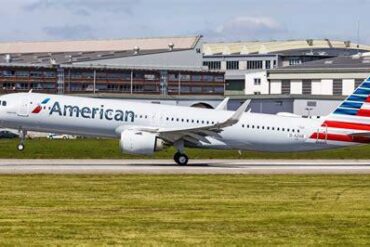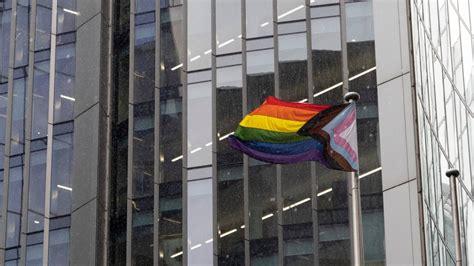
In a moment when many major U.S. corporations are retreating from progressive workforce initiatives, American Airlines is flying against the headwind. The Fort Worth-based carrier has reaffirmed its long-standing partnership with the Human Rights Campaign’s (HRC) Corporate Equality Index, firmly rejecting a shareholder push to sever ties with the program.
Founded in 1926, American Airlines has built its reputation as a full-service carrier operating major hubs across key cities including Dallas/Fort Worth, New York, Miami, and Los Angeles. Now, the airline is drawing attention not for fleet expansion or route innovations, but for its unwavering stance in support of LGBTQ+ inclusion.
The Human Rights Campaign Index: A Pillar of Corporate Accountability
Since its inception in 2002, the Corporate Equality Index (CEI) has served as the HRC’s gold standard for evaluating corporate support of LGBTQ+ employees. The CEI scores companies based on:
- Non-discrimination policies across business entities
- Equitable benefits for LGBTQ+ workers and their families
- Inclusive culture and internal accountability mechanisms
- Corporate social responsibility and public commitment to LGBTQ+ equality
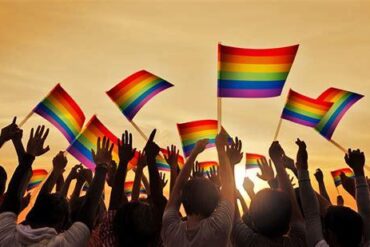
American Airlines has consistently received top scores in these assessments, often standing out among other U.S. carriers. The airline’s public support of LGBTQ+ communities has spanned decades, including employee resource groups, inclusive hiring practices, and corporate sponsorship of Pride events.
Shareholder Pressure Meets Executive Resolve
The current controversy erupted when the National Center for Public Policy Research, a conservative advocacy group and American shareholder, proposed that the airline end its participation in the CEI. The proposal argued that the airline’s association with the HRC may be causing financial harm, an unsubstantiated claim that gained some media attention.
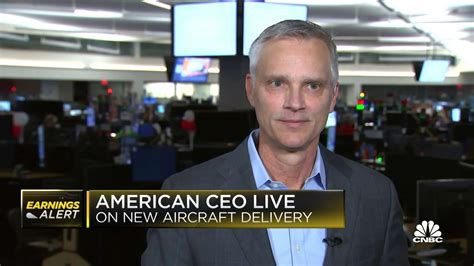
In a decisive response, American’s board of directors urged shareholders to reject the proposal, emphasizing that continued participation in the CEI fosters a stronger, more inclusive corporate culture that aligns with the airline’s values and customer expectations.
The shareholder vote was a landslide: 273 million votes opposed the proposal, with just 5.9 million in favor. This result highlights not just corporate leadership’s commitment, but also widespread investor support for the airline’s diversity, equity, and inclusion (DEI) efforts.
Corporate Exodus from CEI Underscores American’s Unique Position
While American Airlines holds firm, several other iconic U.S. companies have withdrawn from the CEI, citing shifting political climates and concerns over regulatory scrutiny. Notable departures include:
- Walmart
- Lowe’s
- John Deere
- Toyota
- Tractor Supply Company
Some of these corporations claim a pivot back to “core business” practices, while others quietly exit to sidestep potential legal entanglements surrounding DEI initiatives under a new federal administration. In contrast, American Airlines seems undeterred.
This decision places the airline in a bold minority, one that not only tolerates scrutiny but embraces it as part of a broader cultural and ethical commitment.
Navigating Political Headwinds and Public Expectation
American’s position is made even more significant against the backdrop of an evolving national discourse on corporate responsibility. Since the inauguration of the new administration, many companies have adopted a more cautious approach to DEI, fearing retribution or policy clashes.
The airline industry, historically bound by federal oversight and sensitive to public sentiment, is especially prone to reactive shifts. Yet, both American Airlines and United Airlines have been notably silent about revising their DEI strategies, choosing instead to let action speak louder than words.
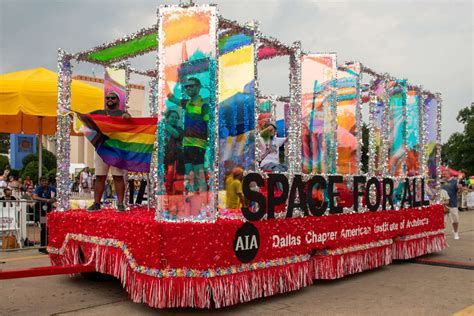
American’s decision to continue supporting events like Dallas Pride Festival, alongside corporate giants like Amazon, sends a clear signal: inclusion is not up for negotiation.
Internal Culture Reflects External Commitment
At the heart of American’s position is a culture that champions inclusivity at all levels. The company has long maintained:
- Employee resource groups for LGBTQ+ staff
- Trans-inclusive healthcare benefits
- Gender-neutral policies and training
- Ongoing reviews of hiring practices and promotional pipelines
These initiatives are not just symbolic. They’ve helped the airline earn numerous accolades, including frequent appearances on the HRC’s list of Best Places to Work for LGBTQ+ Equality.
The Economic Argument: Inclusion Is Good Business
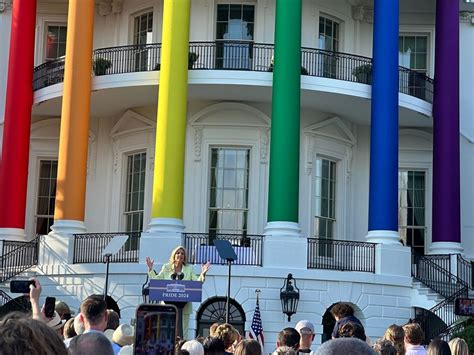
Contrary to the proposal’s core claim, most research indicates that inclusive practices correlate with stronger financial performance. Studies from McKinsey & Company, Boston Consulting Group, and Harvard Business Review consistently show that companies with high diversity scores outperform peers in profitability and innovation.
American Airlines’ global customer base reflects a broad demographic that increasingly values social responsibility and representation. In an era where brand loyalty can be swayed by ethics, the airline’s commitment may enhance, not hinder, its commercial appeal.
This inclusive stance is likely to resonate particularly with younger travelers—Millennials and Gen Z—who prioritize values alignment when choosing brands. Given their increasing purchasing power, American’s investment in DEI could be a long-term competitive advantage.
New Aircraft, New Chapter—With the Same Values
Beyond corporate values, American is also undergoing a physical transformation. The airline recently introduced its upgraded Boeing 787-9P Dreamliners, aimed at elevating the premium cabin experience.
These jets feature:
- Enhanced Flagship Business seating
- Refined Premium Economy accommodations
- Advanced cabin aesthetics and in-flight amenities
Routes to cities like Tokyo are already seeing the deployment of these enhanced aircraft, signaling American’s desire to match product quality with its brand promise of inclusivity and customer care.
This simultaneous focus on fleet modernization and internal culture transformation showcases a comprehensive growth strategy: one that acknowledges the modern traveler’s desire for both comfort and conscience.
A Leadership Model for the Future
American Airlines’ forthright defense of its LGBTQ-friendly policies establishes it as a leadership model in the U.S. aviation sector. While the political environment may shift and peer companies pull back, American’s consistency sends a message of integrity.
By standing its ground, American not only reinforces its social values, but also strengthens its position in a marketplace where authenticity matters. Whether it’s the boardroom or the boarding gate, the airline is proving that doing what’s right doesn’t mean compromising business performance.
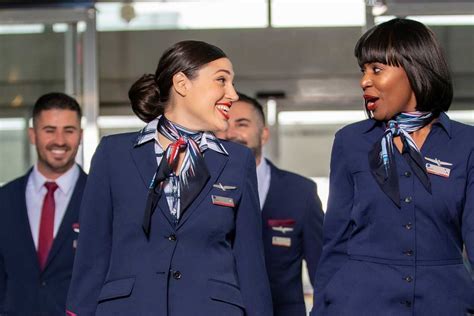
Conclusion: Flying Toward a More Inclusive Future
American Airlines’ continued participation in the Human Rights Campaign’s Corporate Equality Index is more than a policy—it’s a principle. At a time when corporate America is under pressure to pick sides in the culture wars, American has chosen to stand with its employees, its passengers, and its principles.
With broad shareholder support, a refreshed fleet, and a renewed commitment to inclusive growth, American is navigating turbulence with clarity of purpose. While others may yield to political winds, American Airlines is choosing to soar above them.