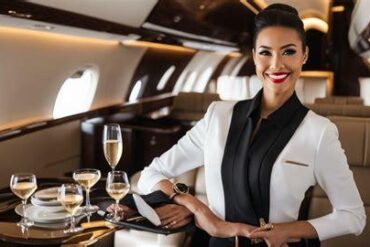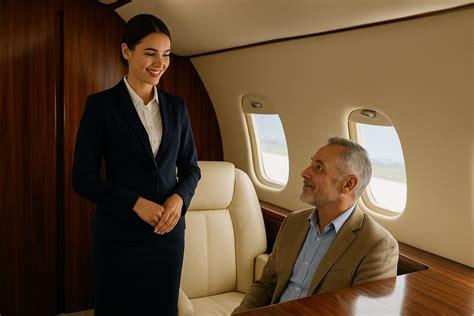
Modern private aviation has always symbolized exclusivity, comfort, and personalized luxury. For decades, stepping aboard a long-range business jet meant entering a carefully curated environment complete with premium catering, attentive cabin service, and a highly trained flight attendant dedicated to both hospitality and safety. Yet a surprising shift is taking place among some of the world’s wealthiest technology executives. Instead of embracing every available luxury, they are deliberately simplifying the private flying experience.
This trend is especially noticeable among billionaire founders and senior technology executives who increasingly view private aircraft as productivity tools rather than status symbols. Instead of gourmet meals and champagne, passengers may find burgers, deli sandwiches, bottled water, and laptops spread across conference tables. In some cases, the flight attendant has disappeared entirely.
The change raises an important question: Why are tech billionaires ditching flight attendants on their jets? The answer involves far more than cost savings. It reflects changing corporate culture, public perception, operational efficiency, environmental criticism, and an evolving definition of luxury itself.
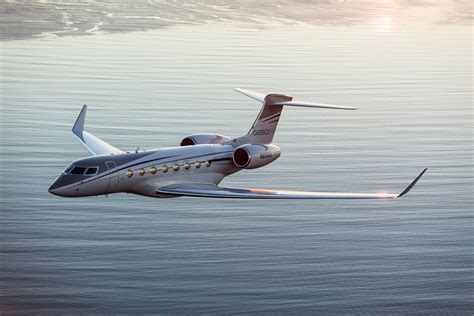
Private Jets Are Becoming Productivity Platforms Instead of Luxury Retreats
For many technology leaders, time has become more valuable than luxury. Companies operate globally, executives travel between multiple offices within days, and business decisions frequently require face-to-face meetings across continents.
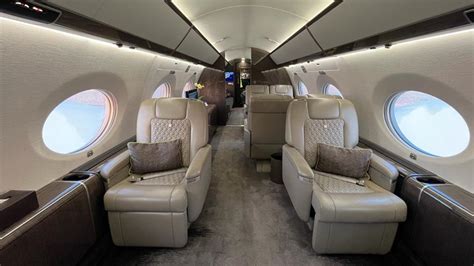
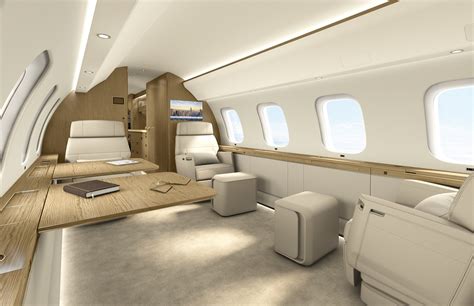
Rather than treating each flight as an exclusive experience, many owners now consider their aircraft an extension of the office. Cabins are filled with engineers, product managers, investors, and executives discussing projects, reviewing presentations, or participating in meetings through high-speed satellite internet. Advanced connectivity systems allow passengers to remain online throughout the journey, making continuous productivity the primary objective.
Instead of elaborate cabin service, passengers often prefer uninterrupted work sessions or sleep. Fresh coffee, bottled water, and simple meals satisfy practical needs without distracting from business discussions. This utilitarian philosophy mirrors the minimalist culture embraced by many technology companies, where efficiency often outweighs extravagance.
A Cultural Shift Inside Silicon Valley
Technology companies have spent years promoting images of practicality and operational discipline. Although founders may possess extraordinary wealth, many deliberately avoid displaying obvious symbols of luxury.
The traditional image of a private jet—with crystal glassware, premium wines, caviar, and uniformed cabin crew—conflicts with the understated branding many technology firms now cultivate. Executives increasingly want private aviation to appear as a business necessity rather than an extravagant lifestyle choice.
Reports from industry insiders suggest that some flights now resemble executive shuttle services more than luxury experiences. Employees occupy most of the cabin, meals are purchased from local restaurants before departure, and passengers clean up after themselves during flight. Instead of showcasing wealth, the aircraft functions as a highly efficient transportation platform.
Public Perception Matters More Than Operating Costs
One assumption might be that eliminating flight attendants significantly reduces expenses. In reality, that explanation does not withstand scrutiny.
A professional private jet flight attendant typically earns between $100,000 and $120,000 annually, depending on experience and employer. While substantial in most professions, that expense is remarkably small compared with the operating costs of ultra-long-range business aircraft.
A single coast-to-coast flight aboard a modern Gulfstream or Bombardier Global can easily cost a similar amount once fuel, maintenance reserves, crew salaries, airport fees, insurance, and depreciation are considered. Against those figures, eliminating one crew position produces relatively little financial impact.
Instead, the primary motivation appears to be image. Technology leaders understand that public scrutiny surrounding private aviation has intensified dramatically. Flight tracking websites, environmental organizations, and social media users regularly monitor aircraft movements, calculating emissions and criticizing excessive luxury.
Reducing visible extravagance allows owners to present private flying as an operational necessity rather than conspicuous consumption.
The Minimalist Philosophy Behind Modern Business Aviation
Many successful technology entrepreneurs built their companies around eliminating unnecessary complexity. That mindset increasingly extends into aviation.
If passengers already know how to operate cabin controls, adjust seating, prepare simple refreshments, and connect to onboard internet systems, owners may question whether dedicated service personnel remain essential.
The result is an intentionally simplified cabin environment featuring:
- Basic refreshments instead of gourmet catering
- Fast food and local restaurant meals replacing formal dining
- Reliable internet connectivity prioritized over luxury service
- Business discussions replacing leisure-focused hospitality
- Passengers assisting themselves throughout the journey
Rather than reducing comfort, supporters argue this creates a more relaxed atmosphere where executives can work naturally without feeling attended to throughout the flight.
Private Ownership and Charter Aviation Operate Under Different Expectations
This minimalist trend largely applies only to aircraft owned directly by individuals or corporations.
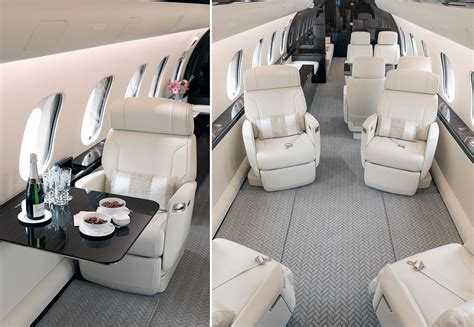
Charter aviation follows a completely different business model. Clients paying premium hourly rates expect exceptional service from departure to arrival. Champagne, premium catering, customized menus, luxury amenities, and highly attentive cabin service remain central components of the charter experience.
Operators also have strong financial incentives to provide dedicated cabin crew. Flight attendants help protect expensive cabin interiors, supervise passengers, coordinate catering, maintain cleanliness, and ensure the aircraft remains in pristine condition between flights.
Because charter passengers constantly change, operators cannot assume familiarity with emergency equipment or aircraft procedures. Dedicated cabin professionals therefore remain an important operational asset beyond hospitality alone.
The Safety Responsibilities Many People Overlook
Perhaps the biggest misconception surrounding private jet flight attendants is that their primary responsibility involves serving meals and drinks.
In reality, professionally trained cabin crew perform critical safety functions before, during, and after every flight.
Private aviation emergencies are rare, but they do occur. Cabin fires, smoke events, rapid decompression, medical emergencies, severe turbulence, emergency landings, and evacuations require immediate action from personnel trained specifically for these scenarios.
Professional private jet flight attendants receive extensive instruction covering emergency equipment, first aid, CPR, automated external defibrillator operation, firefighting techniques, passenger evacuation procedures, decompression response, and crew resource management.
Many also complete annual recurrent training to maintain these qualifications.
When owners replace trained cabin professionals with assistants, interns, engineers, or office staff, that emergency expertise may disappear entirely.
Hospitality Skills Represent Only Part of the Profession
Private aviation flight attendants often possess highly specialized service knowledge beyond standard airline experience.
Many complete advanced instruction in fine dining presentation, premium wine service, international etiquette, gourmet catering coordination, luxury hospitality, floral presentation, multilingual communication, and executive protocol.
Unlike commercial airline crews serving hundreds of passengers, business aviation cabin professionals tailor every aspect of the journey around individual client preferences.
However, beneath that refined service lies extensive safety preparation. The best private flight attendants combine discreet hospitality with emergency readiness, allowing passengers to focus entirely on work or relaxation while remaining protected should something unexpected occur.
Regulations Allow Many Private Jets to Fly Without Cabin Crew
The legal framework explains why this trend is even possible.
Under United States Federal Aviation Administration regulations, most business jets are not required to carry flight attendants because they typically seat fewer than twenty passengers.
Aircraft such as the Gulfstream G650ER, Bombardier Global 7500, Dassault Falcon 10X, and similar long-range business jets usually accommodate between eight and nineteen passengers depending on cabin configuration.
Since these seating capacities remain below the regulatory threshold, operators may legally conduct flights without dedicated cabin crew.
Charter operations generally follow stricter operational standards, particularly when passenger capacity exceeds regulatory limits, making flight attendants significantly more common in commercial business aviation than among privately owned aircraft.
Real Emergencies Demonstrate the Importance of Training
Supporters of retaining flight attendants often point to real-world accidents demonstrating how valuable trained cabin professionals can become during emergencies.
One widely discussed example involved a Challenger 604 accident near Naples, Florida, in 2024 following a dual-engine failure. After the aircraft came to rest, a trained flight attendant successfully evacuated surviving passengers through an alternate exit when the primary cabin door could not be opened.
Her emergency training enabled rapid decision-making under extreme pressure, allowing passengers to escape before the aircraft was consumed by fire.
Events like these highlight an uncomfortable reality. Emergencies occur without warning, and preparation matters most when circumstances deteriorate rapidly.
While such situations remain uncommon, aviation safety has always been built around preparing for unlikely events rather than merely responding to routine flights.
Environmental Criticism Continues to Shape Executive Decisions
Another major factor influencing cabin simplification involves growing environmental scrutiny.
Private aviation has become an increasingly visible target in discussions surrounding carbon emissions, sustainability, and climate responsibility. Public flight tracking tools now make aircraft movements more transparent than ever before, allowing journalists and environmental organizations to monitor executive travel habits.
Although replacing champagne with bottled water does not materially reduce emissions, simplifying the onboard experience helps owners communicate that private aircraft function primarily as transportation tools rather than luxury playgrounds.
Critics argue that removing a flight attendant changes optics without meaningfully reducing environmental impact. The aircraft still consumes substantial quantities of fuel regardless of catering choices or onboard staffing levels.
Nevertheless, public relations considerations increasingly influence how high-profile executives choose to present private aviation.
Is This Really the Future of Private Flying?
The movement toward minimalist private aviation reflects broader cultural changes rather than financial necessity. Technology executives increasingly prioritize efficiency, productivity, discretion, and practicality over traditional luxury.
For frequent travelers, gourmet meals and personalized service may simply become less meaningful after hundreds of flights. Reliable internet access, comfortable seating, and uninterrupted work time deliver greater value than elaborate hospitality.
However, eliminating trained cabin professionals introduces legitimate questions regarding emergency preparedness. While regulations permit many private jets to operate without flight attendants, legality does not automatically represent best practice.
The aviation industry has consistently demonstrated that experienced safety professionals provide value extending far beyond routine service. Their expertise becomes most important precisely when passengers hope they will never need it.
The Bottom Line on Why Tech Billionaires Are Ditching Flight Attendants On Their Jets
The growing trend of removing flight attendants from privately owned business jets represents a significant cultural shift within the technology sector. Rather than emphasizing luxury, owners increasingly position private aviation as a highly efficient business tool designed to maximize productivity while minimizing public criticism of extravagant lifestyles.
Cost savings play only a minor role. The real motivations revolve around corporate image, operational simplicity, and the desire to portray private flying as practical transportation instead of conspicuous wealth.
Yet the debate remains unresolved. A flight attendant contributes far more than premium service, offering specialized emergency training, first aid expertise, evacuation leadership, and safety oversight that cannot easily be replaced by office staff or personal assistants.
As more technology billionaires embrace stripped-back private aviation, the industry may continue evolving toward minimalist operations. Whether this approach ultimately becomes the new standard—or whether future emergencies reinforce the enduring value of professional cabin crew—will determine how the next generation of business aviation balances efficiency with safety.