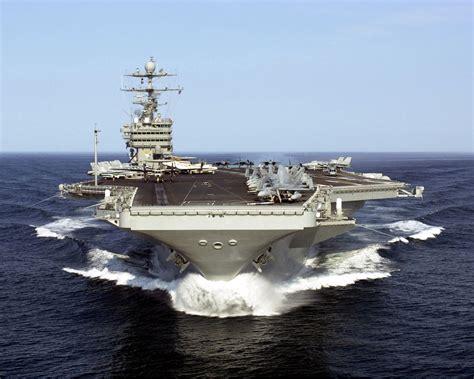
The ‘CVN’ designation etched into the steel hulls of America’s most formidable naval giants carries immense meaning—both historically and technologically. To the untrained eye, it’s simply a code. But within military and maritime circles, it represents a seismic shift in naval engineering, strategic mobility, and global power projection. Understanding this label means diving deep into the structure, history, and energy source of the most powerful ships ever built by the United States Navy.
The Origins of US Navy Ship Designations
Since the early 20th century, the United States Navy has employed a standardized alphanumeric hull classification system to distinguish its vessels. Each designation reflects a vessel’s class, function, and in modern times, its propulsion method. For aircraft carriers, the earliest designation was simply “CV”—a term that, despite its lack of official acronymic meaning, is widely believed to stand for “Carrier Vessel.” Others suggest the “V” is derived from the French word voler, meaning “to fly,” reflecting the carrier’s airborne assets. This system sufficed until the arrival of a revolutionary propulsion method: nuclear energy.
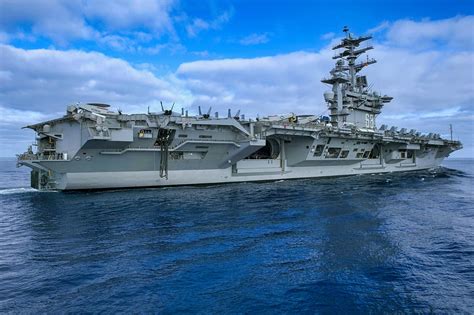
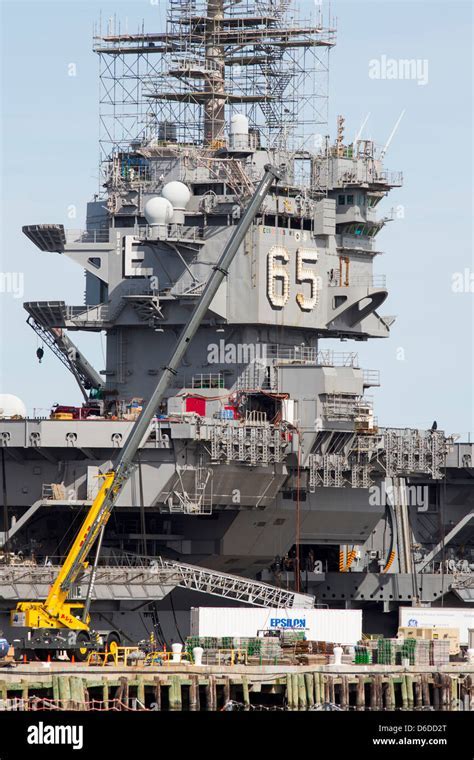
The first nuclear-powered aircraft carrier, the USS Enterprise (CVN-65), launched in 1961, marked the birth of the CVN designation. The “N” signifies nuclear propulsion, an engineering leap that transformed aircraft carrier design and operational range. With this simple yet powerful character, the Navy etched a permanent marker into maritime history—one that changed how the United States projects its power across the globe.
Breaking Down the Designation: What ‘CVN’ Stands For
At its core, CVN represents:
- C – Carrier (likely referencing “Cruiser” in early naval classification logic)
- V – Voler or Vessel (most commonly interpreted as referring to aviation capability)
- N – Nuclear-powered
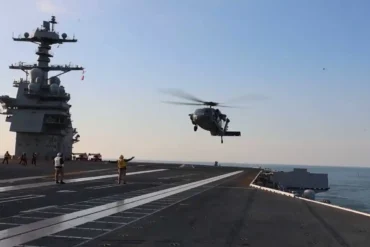
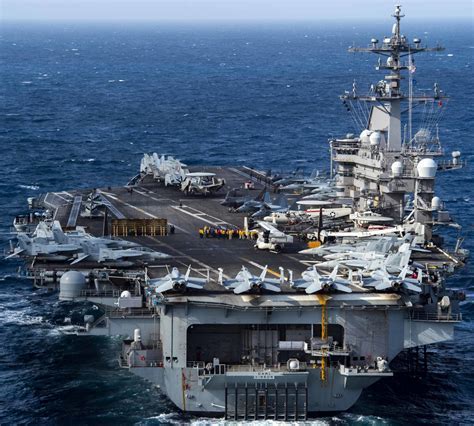
The practical meaning behind the designation is far more important than the linguistic debate. A CVN ship is a nuclear-powered aircraft carrier—capable of deploying and recovering fighter jets, acting as a mobile airbase, and sustaining combat operations across the world’s oceans without the logistical constraints of conventional fuel.
This is not just semantics. The inclusion of “N” identifies that the vessel requires nuclear-trained personnel, specialized safety protocols, and unique infrastructure for operation, maintenance, and eventual decommissioning. It also signals unmatched endurance, range, and power.
Why Nuclear? The Strategic Advantage
Traditional aircraft carriers, designated simply as CVs, were formidable in their time. But their dependence on fossil fuels imposed strategic limitations—frequent refueling, complex logistics, and supply chain vulnerability in contested waters. Nuclear power removed those shackles.
A CVN-class carrier can operate continuously for over 20 years without refueling. That endurance allows for:
- Extended deployments without port visits
- Unrestricted operational range
- Significant weight and space savings due to reduced fuel storage needs
- High-speed travel sustained over long durations
These advantages allow CVNs to lead carrier strike groups across any global theater—deterring adversaries, launching airstrikes, providing humanitarian relief, or conducting maritime patrols, all from international waters.
How Nuclear Propulsion Works on a Carrier
The core of a CVN-class ship is its nuclear reactor, an onboard power plant that generates immense energy by splitting atoms in a process known as nuclear fission. The reactors heat water into pressurized steam, which then drives massive turbines used for:
- Propulsion, moving the ship through the sea
- Electrical power, energizing radar systems, elevators, flight decks, communication gear, and life support
Most Nimitz-class carriers (CVN-68 through CVN-77) operate on two A4W reactors, while the newer Gerald R. Ford-class (CVN-78 and beyond) ships use the even more advanced A1B reactors, designed for greater output and efficiency. These systems are engineered for reliability, autonomy, and sustainability, allowing the ship to remain at sea for months on end.
Historical Milestone: USS Enterprise (CVN-65)
Commissioned in 1961, the USS Enterprise was the world’s first nuclear-powered aircraft carrier, forever altering naval doctrine. At over 1,100 feet in length and displacing 93,000 tons, she became the template for future carrier evolution.
Her design incorporated eight nuclear reactors, one for each of her propulsion shafts—a configuration later streamlined in Nimitz-class successors to reduce complexity. The Enterprise proved that nuclear propulsion offered not just speed and power, but a strategic edge over every other fleet on Earth. She served for over 50 years before being decommissioned in 2017.
Nuclear Designations Beyond CVN: Submarines and Other Vessels
The logic behind the CVN designation doesn’t stop at aircraft carriers. Other naval vessels equipped with nuclear reactors follow similar protocols. Most notably:
- SSBN – Submersible Ship, Ballistic, Nuclear
- SSGN – Submersible Ship, Guided Missile, Nuclear
These classifications help distinguish strategic deterrent submarines from those intended for tactical precision strikes. The nuclear-powered vessel identifiers not only inform operational protocols, but also guide maintenance, security, and international treaties concerning nuclear-powered warships.
Proper designation is also vital in peacetime, particularly during decommissioning. Vessels with nuclear systems must undergo extensive dismantling procedures, including:
- Reactor removal
- Shielded transportation to disposal facilities
- Radiation containment of contaminated materials
These steps ensure that the ship’s legacy ends as responsibly as it began.
Current and Future CVN Fleet
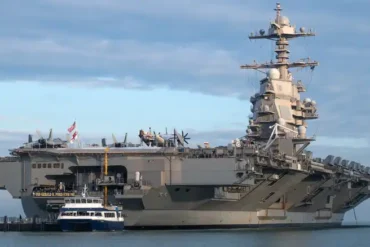
The Nimitz-class aircraft carriers, ranging from CVN-68 (USS Nimitz) to CVN-77 (USS George H.W. Bush), have served as the backbone of US naval dominance for decades. Each displaces over 100,000 tons and can carry approximately 90 fixed-wing and rotary aircraft.
The future lies with the Gerald R. Ford-class, the most advanced CVN vessels to date. Ships like CVN-78 (USS Gerald R. Ford) feature next-generation technologies, including:
- Electromagnetic Aircraft Launch System (EMALS) for reduced stress on airframes
- Advanced Arresting Gear (AAG) for safer landings
- Improved nuclear reactors with 25% greater electrical output
- Smaller crew size thanks to automation and design improvements
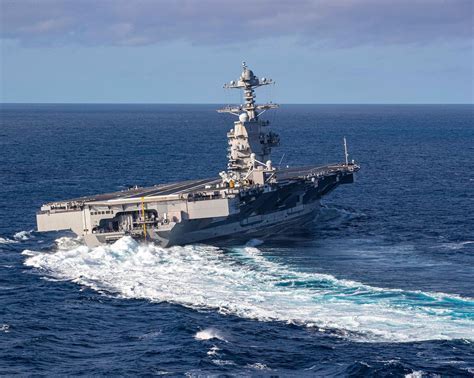
These vessels embody the Navy’s vision for the 21st century—faster, more efficient, and battle-ready for emerging threats in the Indo-Pacific, Atlantic, and beyond.
Symbol of Global Power Projection
CVN carriers are more than ships—they’re floating symbols of American geopolitical influence. When a CVN enters a region, it signals unmatched airpower, surveillance, and deterrence capabilities. They’re often the first to arrive in crises, from combat operations to disaster response.
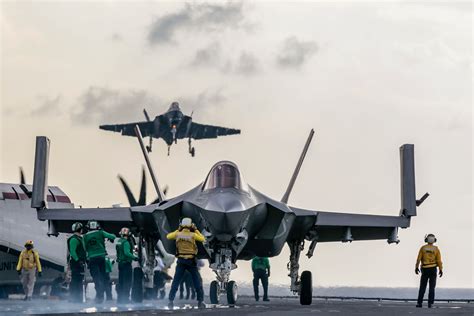
A single CVN strike group, which includes destroyers, cruisers, and submarines, operates as a complete forward-deployed base capable of full-spectrum warfare. The nuclear power underpinning these vessels enables them to sustain pressure for months without pause, outlasting virtually any adversary’s capability to respond.
The Future of Naval Nuclear Designations
As military technology evolves, the CVN designation is likely to endure, but may eventually be joined by even more advanced classifications. Hypothetical developments include:
- CVNX: The Navy’s experimental or next-generation nuclear supercarrier class
- Modular or hybrid propulsion systems, blending nuclear and renewable sources
Yet for the foreseeable future, the CVN class remains unmatched in endurance, versatility, and firepower.
Conclusion
The CVN designation is more than a string of letters. It is a codified commitment to power projection, nuclear innovation, and maritime supremacy. From the historic USS Enterprise to the futuristic Gerald R. Ford-class, CVNs define the Navy’s present and shape its future.
In a world where sea lanes dictate economic lifelines and strategic balance, CVNs are not just aircraft carriers. They are nuclear-powered engines of diplomacy, defense, and deterrence.