The United States Air Force (USAF) is the linchpin of American airpower, embodying the ideals of speed, precision, and global reach. Since its formal inception on 18 September 1947, the USAF has evolved into the most technologically advanced aerial warfare branch on the planet. Its mission extends far beyond mere combat; the USAF represents strategic deterrence, humanitarian outreach, and global stability, supported by cutting-edge aerospace innovation and the dedication of nearly 500,000 uniformed personnel.
A Legacy Rooted in Innovation and Courage
Though officially founded in 1947, the roots of the Air Force stretch back to 1 August 1907, when the Aeronautical Division of the Signal Corps was formed. This embryonic structure marked the beginning of military aviation in the United States. During World War I, the Army Air Service emerged as a distinct entity, laying the groundwork for what would later become the Air Corps in 1926 and the U.S. Army Air Forces (USAAF) in 1941. These transformations were driven by both the increasing importance of airpower in modern warfare and the vision of pioneers like General Henry “Hap” Arnold, who championed the need for an independent air arm.
The Air Force’s emancipation from the Army was cemented through the National Security Act of 1947, which recognized airpower as essential to national defense strategy. From the fiery skies over Korea and Vietnam to the shadowy battlefields of Iraq and Afghanistan, the USAF has adapted to new domains of warfare, maintaining a critical edge through rapid modernization and doctrinal flexibility.
Core Missions: The Pillars of American Air Supremacy
The USAF’s operational doctrine is built on five core missions, each reinforcing the others to achieve global vigilance, reach, and power.
Air Superiority
Air superiority ensures that American and allied forces operate freely without aerial threats. The USAF accomplishes this through both Offensive Counter-Air (OCA) missions—including strike, escort, sweep, and SEAD (Suppression of Enemy Air Defenses)—and Defensive Counter-Air (DCA) tactics. These are further supported by airspace control operations, which coordinate the safe use of contested skies.
Global Integrated Intelligence, Surveillance, and Reconnaissance (ISR)
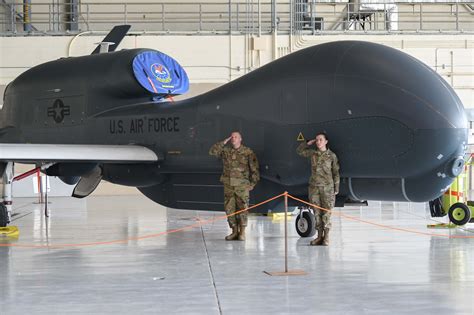
Modern conflicts demand precise intelligence. The USAF’s ISR capabilities combine satellites, UAVs, cyber units, and reconnaissance aircraft to create a seamless flow of real-time, multidomain intelligence. This fusion enhances battlefield awareness and strategic planning.
Rapid Global Mobility
A cornerstone of the USAF’s logistical prowess, rapid mobility allows for the swift deployment of troops, equipment, and medical evacuations worldwide. Aircraft like the C-17 Globemaster III and KC-46 Pegasus enable missions in remote theaters, ensuring America’s global footprint remains agile and responsive.
Global Strike
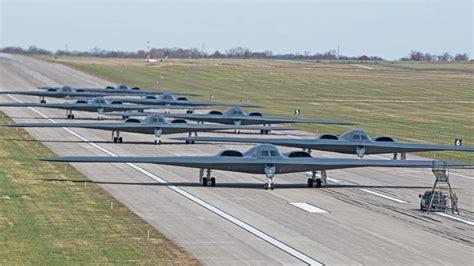
The USAF’s offensive capability extends from precision conventional attacks to the nuclear triad, projecting power and deterring adversaries. Whether it’s a B-2 Spirit releasing a guided bomb or an ICBM in strategic reserve, global strike ensures any target, anywhere, remains within reach.
Command and Control (C2)
Efficient warfare depends on the clarity of orders and the reliability of communication. The USAF’s C2 network orchestrates its forces across the tactical, operational, and strategic levels, using advanced systems to maintain continuity even in contested environments.
Post-Cold War Evolution and 21st-Century Reforms
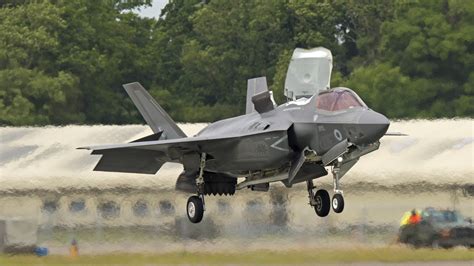
The 21st century has brought both innovation and introspection to the USAF. Procurement delays, notably in the F-35 Lightning II and KC-X tanker programs, increased the average age of the fleet, prompting renewed modernization strategies. The creation of Air Force Global Strike Command (AFGSC) in 2008 was a response to lapses in nuclear oversight, demonstrating a renewed commitment to strategic excellence.
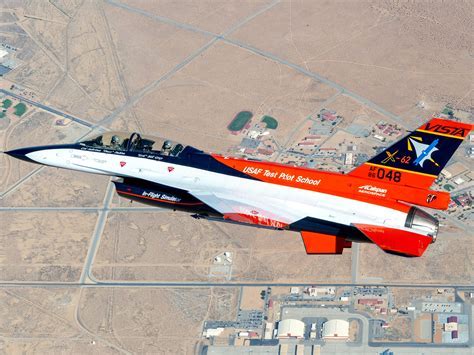
The shift toward unmanned systems is a defining feature of current doctrine. The USAF’s UAS Flight Plan through 2047 predicts that one-third of new airframes will be unmanned, with future models incorporating hypersonic speeds, AI-assisted decision-making, and reusability by the 2040s.
In 2022, the Basic Military Training’s BEAST phase was replaced with PACER FORGE, a more integrated warfighting simulation, reflecting changes in joint-force requirements. The trilateral air exercise in 2023 with South Korea and Japan and the increasing tempo of Indo-Pacific operations illustrate a pivot towards confronting emerging threats like China’s regional assertiveness.
Major Conflicts: A Record of Relentless Engagement
The Air Force has fought in virtually every major conflict since its inception, beginning with aerial observation missions during the Mexican Expedition. Its full capabilities were unleashed in World War II, where the USAAF’s strategic bombing campaign over Europe and the Pacific decimated Axis infrastructure.
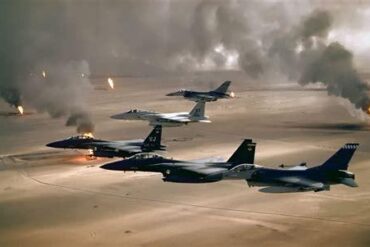
In the Korean and Vietnam Wars, USAF innovations in jet propulsion, air refueling, and airborne radar altered the dynamics of conventional warfare. During Operation Desert Storm, airpower achieved strategic effects within days, crippling Iraqi command and control. In Operations Enduring Freedom and Iraqi Freedom, the USAF again demonstrated the ability to deliver persistent precision firepower across vast distances, often with no forward staging.
Its contributions continue under Operation Inherent Resolve, where it has been pivotal in the fight against ISIS through close air support, ISR, and kinetic strikes.
Humanitarian Operations: Wings of Mercy
The USAF’s mission extends beyond the battlefield. It has often been the first on the scene in global disasters:
- The Berlin Airlift (1948–49) sustained an entire city isolated by a Soviet blockade.
- In 1975, Operation Babylift rescued thousands of orphans from a collapsing South Vietnam.
- Post-tsunami and earthquake relief during Unified Assistance (2004) and Unified Response (2010) highlighted the USAF’s global humanitarian reach.
- Following the Fukushima disaster in 2011, Operation Tomodachi provided critical airlift and relief to Japan.
Culture and Challenges: Honor, Reform, and Resilience
The culture of the USAF is forged from the competitive spirit of fighter and bomber pilots, tempered by lessons in integrity and service. Incidents in the late 2000s, including nuclear weapon mishandlings and missile officer scandals, led to widespread cultural reform under General Norton Schwartz.
These events spurred a transformation toward accountability and professionalism, alongside the delayed but eventual formal recognition of Remotely Piloted Aircraft (RPA) operators as a distinct pilot class.
Traditions such as Mustache Month, Friday Name Tags, roof stomps, and the giving of challenge coins foster a sense of camaraderie and heritage. But underlying these is a constant push for adaptability, as seen in recent warnings by General David Allvin regarding potential decline in U.S. air dominance if modernization lags.

Structure and Command: A Global Force Organized for Impact
The USAF operates under the Department of the Air Force, headed by a civilian Secretary and the Chief of Staff of the Air Force (CSAF). The structure is meticulously tiered for clarity and effectiveness:
- Major Commands (MAJCOMs) such as Air Combat Command (ACC), Air Force Special Operations Command (AFSOC), and Pacific Air Forces (PACAF) oversee large operational functions.
- Numbered Air Forces, Wings, Groups, Squadrons, and Flights provide granular, mission-specific control.
- Supporting commands like Air Mobility Command (AMC) and Air Force Materiel Command (AFMC) ensure readiness and logistics.
This hierarchy allows the Air Force to respond simultaneously to strategic threats, humanitarian crises, and training demands, all while maintaining persistent presence in contested domains.
Looking Ahead: The Next Generation of Dominance
As geopolitical rivals grow bolder, the Air Force is investing in next-generation air dominance platforms, AI-integrated aircraft, quantum computing, and space-based assets. The anticipated sixth-generation fighter, part of the Next Generation Air Dominance (NGAD) program, promises unparalleled stealth, speed, and network-centric warfare capability.
At the same time, the USAF must address environmental responsibilities, such as the contentious PFAS cleanup refusal near Tucson in 2024, which has drawn public scrutiny. Balancing technological superiority with ethical leadership and environmental stewardship is a challenge the force must meet head-on.
Conclusion: Guardians of the Sky and Beyond
The United States Air Force stands at a critical juncture. With a storied history, robust doctrine, and unyielding mission, it remains the spearhead of American military projection. As threats multiply and the skies become more contested, the Air Force’s commitment to excellence, integrity, and service ensures that it will continue to soar—not just as a branch of the military, but as a symbol of American resolve, innovation, and honor.