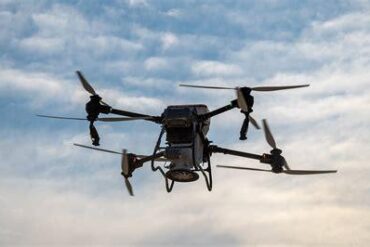
Drones have transitioned from niche gadgets into mainstream must-haves for creators, hobbyists, and tech enthusiasts alike. For beginners, choosing the best drone worth buying can feel like entering an entirely new universe—filled with acronyms, regulations, and an overwhelming range of features. We cut through the noise and present an expert-backed, comprehensive guide to the top beginner drones in 2025. Whether you’re looking to shoot cinematic 4K footage or just want to experience the thrill of flight, we’ve done the hard work so you don’t have to.
Understanding What Makes a Drone Ideal for Beginners
A beginner-friendly drone must offer more than just easy controls. Flight stability, automatic safety functions, and camera quality play crucial roles in ensuring both safety and satisfaction. Drones like the DJI Mini 3 or the Ryze Tello offer a streamlined flying experience even for users with zero prior experience. Important baseline features include:
- Auto Takeoff/Landing: Minimizes crash risk during launch and recovery.
- Return to Home (RTH): Uses GPS to safely return the drone if it loses signal.
- Obstacle Avoidance: Prevents collisions, a critical feature for new pilots.
- Camera Stabilization: Ensures jitter-free footage, even in breezy conditions.
These features make a drone approachable, enjoyable, and more than just a learning tool—they make it a gateway to creativity.
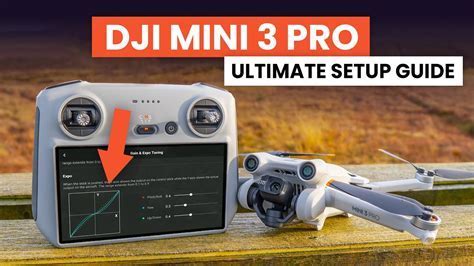
Top Pick for 2025: DJI Mini 3 – Best All-Rounder for New Pilots
The DJI Mini 3 is the epitome of a beginner drone done right. Weighing under 249 grams, it bypasses the need for FAA registration in many regions while still packing a punch in terms of functionality. Its 3-axis gimbal, 4K video at 30fps, and up to 38 minutes of flight time make it an outstanding tool for content creation and recreational flying.
Its downward vision sensor enables precise landings and smooth hovering, even without GPS. With beginner-centric modes like QuickShots, you can automatically execute cinematic flight patterns. This drone is our top recommendation for its balance of simplicity and potential for professional growth.
Budget Winner: Ryze Tello – Learning Without Breaking the Bank
If you’re looking for something under $150, the Ryze Tello, developed in partnership with DJI and Intel, is a smart choice. Its 720p camera, 5MP still photos, and 13-minute flight time may sound modest, but the real value lies in its ability to teach essential piloting skills.
With a lightweight frame and a propeller guard, it’s ideal for indoor practice and highly crash-resistant. Tello is programmable via Scratch, making it especially appealing to STEM students or curious tinkerers.
Next-Gen Technology: DJI Mini 4 Pro – For Ambitious Beginners
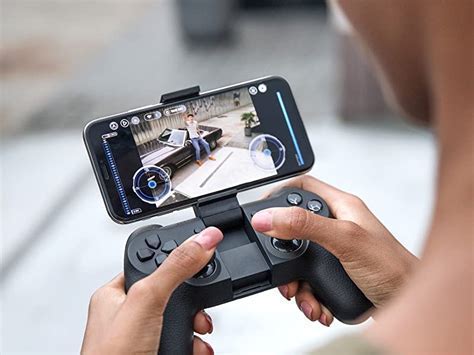
For those ready to invest in cutting-edge flight tech, the DJI Mini 4 Pro stands at the pinnacle. Though double the price of the Mini 3, it introduces 360° obstacle sensing, HDR video recording, and Omnidirectional ActiveTrack for intelligent subject following.
Its extended range, superior wind resistance, and flight autonomy make it a perfect step-up for users who expect to stick with drones long-term. It also includes Real-Time AirSense alerts, providing information on nearby aircraft for extra airspace awareness.
Compact Power: Autel Evo Nano+ – The Underdog That Impresses
The Autel Evo Nano+ is a hidden gem in the beginner drone space. Equipped with a 50MP camera and RYYB sensor for exceptional low-light footage, it’s ideal for photography-focused pilots.
It also features binocular vision sensors, Level 5 wind resistance, and cinematic flight paths. At just under 250g, it remains in the sub-registration category but brings pro-level imaging to the table.
Holy Stone HS720E – The Affordable Feature Giant
If GPS and 4K are a must but your budget is under $300, the Holy Stone HS720E checks many boxes. While not as polished as DJI offerings, it includes electronic image stabilization, dual satellite positioning, and follow-me capabilities.
This drone’s foldable design, modular battery system, and brushless motors provide a surprising amount of quality for its class. It’s ideal for beginners who value control and flexibility over premium branding.
Best for Learning FPV: BetaFPV Cetus X Kit
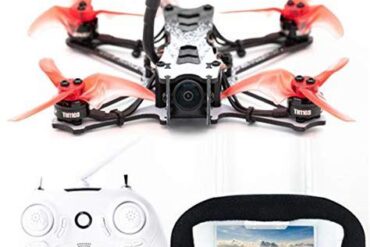
FPV (First Person View) flying can be exhilarating, but it’s not for the faint of heart. The BetaFPV Cetus X FPV Kit provides a forgiving introduction to this world. With altitude hold, emergency stop, and three-speed modes, this drone teaches core FPV skills without crashing into a wall—figuratively and literally.
While the analog video feed lacks high-end clarity, the immersive goggles and responsive remote make it an authentic FPV trainer.
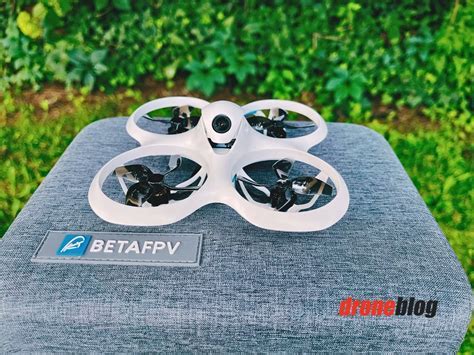
Tinywhoop Drones – Indoor Agility, Outdoor Fun
The Tinywhoop class has exploded in popularity due to their minimal risk, durability, and portability. With ducted fans, these drones are nearly unbreakable and are ideal for flying in tight spaces.
Models like the Mobula 6, BetaFPV 65 Pro, and Emax Tinyhawk are perfect for new flyers looking to build confidence through repetition. Unlike DJI drones, they require more manual control, helping users develop reflexes and orientation fast.
These are frequently recommended by experienced FPV pilots as the best way to truly learn how to fly.
Key Regulations You Must Know Before Flying
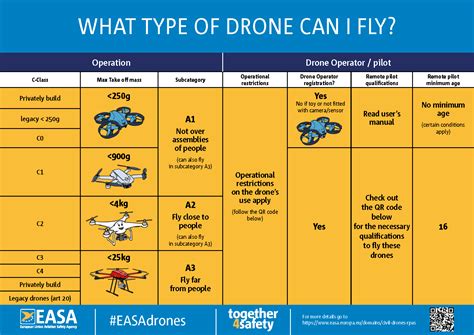
Owning a drone means understanding airspace laws. Any recreational drone over 0.55 lbs (250g) must be registered via the FAA DroneZone portal. You’ll also need to take the TRUST test, a short safety course that ensures new flyers understand flight etiquette and no-fly zones.
Airports, emergency scenes, and stadiums are typically restricted. Always maintain visual line of sight and never fly above 400 feet.
Best Use Cases: Matching Drones to Your Purpose
The best drone depends on your purpose:
- For Video Content Creation: DJI Mini 3 or Mini 4 Pro
- For Learning Flight Mechanics: Tinywhoop or BetaFPV Cetus X
- For Kids or STEM Education: Ryze Tello
- For Low-Light Photography: Autel Evo Nano+
- For Budget Exploration: Holy Stone HS720E
Beginners should also consider the support ecosystem. DJI drones have robust app support and large online communities, whereas FPV drones are more DIY, with communities sharing tuning tips and build tweaks.
Accessories That Maximize Your Experience
Beyond the drone itself, a few extra tools can enhance your experience:
- Spare Batteries: Extend flight sessions.
- Carrying Case: Protect your drone in transit.
- Propeller Guards: Essential for indoor flying.
- ND Filters: For smoother daylight footage.
- Landing Pad: Helps prevent debris damage during takeoff and landing.

Final Thoughts: Picking the Right Beginner Drone
There is no single “perfect” drone for every beginner. Your ideal choice will align with your goals, budget, and level of commitment. For a cinematic intro to drone flight, the DJI Mini 3 remains the most well-rounded pick in 2025. It’s intuitive, powerful, and future-proof for most users. However, if you’re ready to dig into FPV flying or want to experiment at a lower cost, the BetaFPV Cetus X or a Tinywhoop will teach you the ropes without high stakes.
Start small, fly safe, and enjoy the incredible vantage points only a drone can offer.