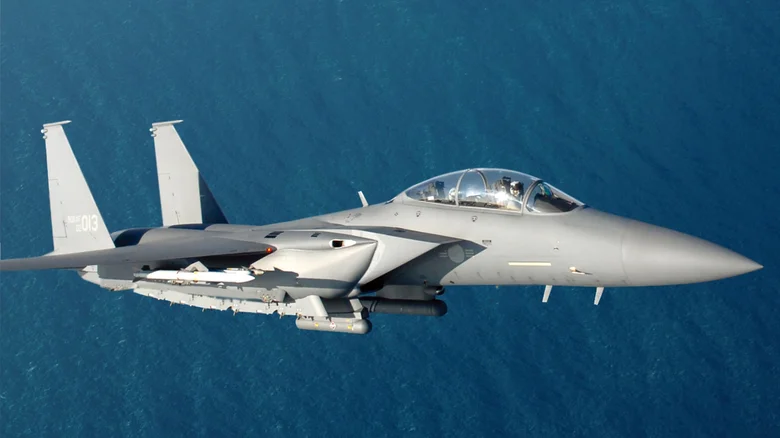
The line between confidence and complacency in military aviation is razor-thin. In the cockpit of a high-performance fighter jet traveling at enormous speed, even a few seconds of distraction can spiral into disaster. That reality became painfully clear after a Republic of Korea Air Force pilot was ordered to pay nearly $60,000 following a bizarre and preventable mid-air collision involving two F-15K Slam Eagles.
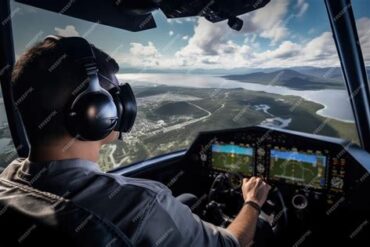
The incident, which occurred near Daegu in December 2021, has since become one of the most talked-about military aviation mishaps in South Korea. Not because lives were lost — remarkably, all crew members survived unharmed — but because the cause of the accident was so shockingly avoidable. According to investigators, the chain of events began when a pilot started taking photos from inside the cockpit during flight operations.
The accident exposed a dangerous culture of casual behavior inside one of the world’s most sophisticated combat aircraft programs. It also raised serious questions about cockpit discipline, operational oversight, and how personal technology continues to blur the boundaries between professionalism and distraction in modern military aviation.
How a Selfie Session Turned Into an F-15K Collision
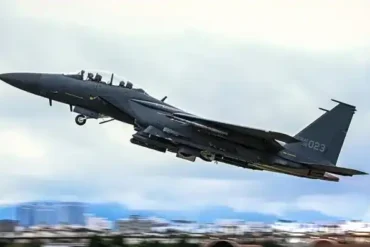
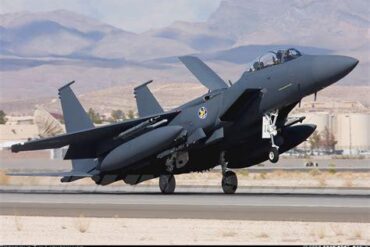
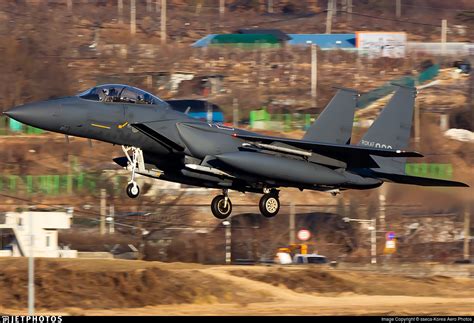
The Republic of Korea Air Force operates the F-15K Slam Eagle, a heavily upgraded variant of the legendary American-built F-15 fighter. Designed for deep strike missions and high-speed combat operations, the aircraft represents one of South Korea’s most expensive and capable military assets.
According to findings released by the Board of Audit and Inspection, the pilot later held financially responsible had openly discussed plans to take photos during the mission before takeoff. Investigators discovered that taking pictures from inside fighter jet cockpits had become relatively common among some pilots, despite the obvious safety concerns surrounding such behavior.
During the flight, the wingman pilot reportedly used a personal mobile phone to capture images from inside the cockpit while following the lead aircraft. The situation escalated when the lead pilot noticed the photography and requested video footage of his own aircraft in flight.
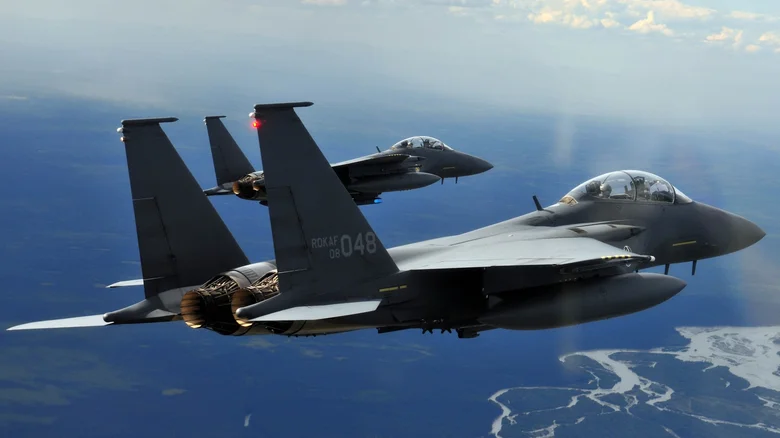
That request triggered a series of unauthorized aerial maneuvers. The lead aircraft climbed sharply and performed a flip-like maneuver to create dramatic footage, while the wingman attempted to maintain formation and continue filming. In the process, the two F-15Ks moved dangerously close together.
As both crews attempted evasive action, the wingman aircraft’s tail struck the lead aircraft’s wing. The impact caused severe structural damage to both fighter jets, though catastrophe was narrowly avoided.
Nearly $600,000 in Damage and Years of Investigation
Military aircraft collisions are extraordinarily expensive, even when they do not result in crashes. The combined repair costs for the two damaged F-15Ks reportedly reached approximately 880 million won, equivalent to around $600,000.
Investigators spent years reviewing flight records, operational procedures, cockpit conduct, and command responsibility before finalizing their conclusions. The lengthy investigation reflected the seriousness of the incident and the broader implications for military aviation standards.
Ultimately, authorities determined that the wingman pilot bore partial responsibility for the accident because his decision to film from inside the cockpit directly contributed to the unsafe flight conditions. He was ordered to pay roughly 10% of the total repair costs, amounting to nearly $60,000.
For a military pilot, the financial penalty was substantial. Reports citing the Economic Research Institute estimated that a South Korean Air Force pilot earns approximately 118 million won annually, or about $78,000 per year. The imposed damages therefore represented a massive financial burden equivalent to much of a year’s salary.
Military Leadership Also Shared Responsibility
The investigation did not place all blame solely on the pilot. Auditors concluded that the military itself failed to establish clear regulations prohibiting the use of personal cameras and smartphones during missions.
That finding proved critical in determining liability. Because the Air Force lacked explicit operational restrictions concerning cockpit photography, investigators concluded the institution shared responsibility for allowing unsafe practices to develop informally among flight crews.
The pilot involved was eventually suspended and later left military service. Yet the case continues to resonate inside aviation circles because it highlights a broader issue affecting militaries worldwide: advanced aircraft are increasingly operating in an era dominated by personal technology, social media culture, and constant digital documentation.
Inside a fighter cockpit, however, distraction carries consequences measured not in embarrassment, but in millions of dollars and potentially human lives. The F-15K incident serves as a stark reminder that even elite pilots flying cutting-edge aircraft remain vulnerable to the oldest danger in aviation — losing focus at precisely the wrong moment.