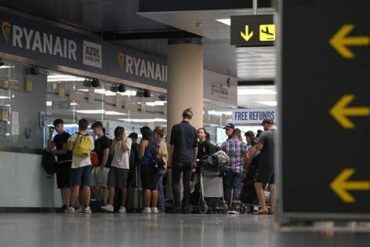
Ryanair’s abrupt announcement to cancel all flights from Maastricht-Aachen Airport by October 26, 2025, has sent shockwaves through thousands of Belgian travelers who have long relied on the Dutch airport as a convenient and affordable launchpad to Southern Europe. The move, which Ryanair attributes to rising operational costs and punitive aviation taxes, leaves only a single airline operating at Maastricht and diminishes low-cost travel options for residents in Belgium’s eastern regions.
The airline, known for its aggressive low-cost model and rapid route deployment, stated that “excessive” cost increases were to blame for its withdrawal. According to Ryanair’s Chief Commercial Officer Jason McGuinness, Maastricht-Aachen has become economically unsustainable compared to competing European airports. He cited a +275% increase in Dutch aviation taxes since 2021, reaching nearly €30 per passenger, as a major deterrent.
Ryanair Shuts Down Five Popular European Routes
The retreat from Maastricht will wipe out five Ryanair-operated routes that directly served holidaymakers and expats heading to:
- Alicante, Spain
- Barcelona, Spain
- Bari, Italy
- Porto, Portugal
- Zadar, Croatia
These destinations had become mainstays for Belgians and Dutch citizens seeking low-cost access to the Mediterranean. By removing these routes entirely, Ryanair is forcing affected travelers to look for flights elsewhere or pay significantly more for alternative carriers.
The only remaining airline at Maastricht, Corenden, will continue servicing two Greek destinations — Crete and Zakynthos — but these limited offerings cannot substitute the broad network Ryanair previously maintained.
Economic Dispute Behind the Scenes
The decision was not without contention. Ryanair accused the airport and the Dutch government of effectively pricing themselves out of the budget travel market. The airline characterized Maastricht as “one of the most expensive airports in Europe”, highlighting a broader industry concern over taxation and competition.
Maastricht-Aachen Airport officials, however, pushed back on that narrative. In a public statement, a spokesperson said that the rates Ryanair demanded were “significantly lower than at other Dutch airports,” suggesting that the airline’s expectations were unrealistic. Negotiations reportedly continued for months, but ultimately failed to reach a compromise for the winter season of 2025/26.
Belgian Travellers Lose a Crucial Low-Cost Gateway
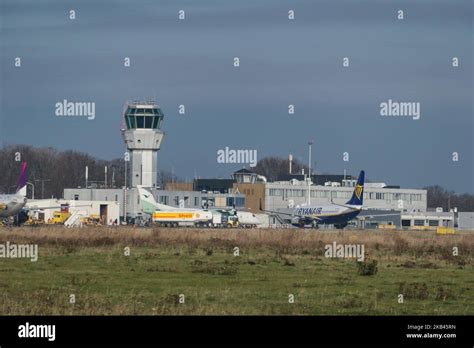
The fallout from Ryanair’s withdrawal will hit Belgian travelers particularly hard. Maastricht-Aachen Airport, although situated in the Netherlands, has long served as a strategic node for people in eastern Belgium, particularly those residing near Liège, Hasselt, and Eupen. The airport’s small scale, low fees, and proximity to the border made it an ideal alternative to the often congested Brussels International Airport.
Now, with Ryanair gone, many travelers will need to reevaluate their go-to departure points. The shift will likely create added congestion and demand at other nearby hubs.
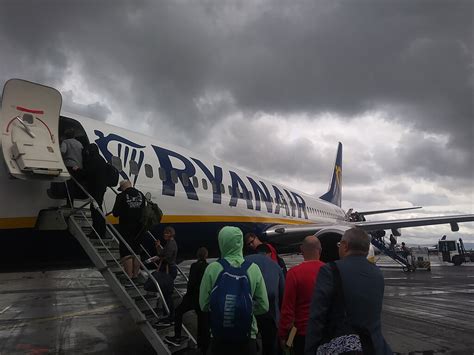
The Impact on Regional Mobility and Travel Habits
With Ryanair’s presence gone, Belgium’s regional connectivity will face new pressures. Low-cost routes are especially vital for students, migrant workers, and budget-conscious families. The cancellation could disproportionately affect these groups, who may not have the flexibility or resources to travel further afield or pay premium prices at major airports.
Moreover, this development could set a precedent. If high government taxes and rising airport fees push other low-cost carriers away from smaller regional airports, it could trigger a centralization of air traffic to larger, already saturated airports.
Charleroi and Other Nearby Airports Step In
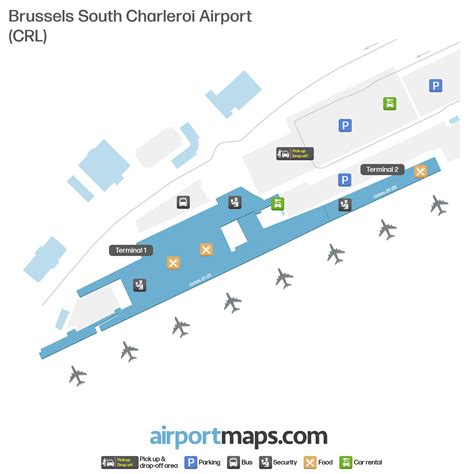
For travelers determined to fly Ryanair, Brussels South Charleroi Airport remains the airline’s primary Belgian hub. It offers dozens of destinations across Europe and North Africa. Charleroi has long been positioned as Belgium’s low-cost alternative to Zaventem and will now likely absorb displaced demand from Maastricht’s former clientele.
Other Belgian airports that may benefit from Maastricht’s loss include:
- Liège Airport – Primarily a cargo hub, but with some passenger operations.
- Antwerp International Airport – Offers niche flights but has limited capacity.
- Ostend-Bruges International Airport – Serves seasonal holiday traffic.
Additionally, Belgium’s proximity to key European airports makes cross-border travel practical. Airports such as Eindhoven and Rotterdam (Netherlands), Lille and Luxembourg (France and Luxembourg), and Cologne and Düsseldorf (Germany) are within reasonable driving or rail distance. These airports already attract Belgian passengers and will likely experience increased cross-border movement as a result of Ryanair’s pullout.
Broader Industry Implications: Taxes and Affordability
The Ryanair-Maastricht dispute shines a light on a broader conflict within European aviation: the tug-of-war between government taxation and low-cost carrier sustainability. While climate goals and infrastructure funding drive governments to increase taxes, budget airlines argue that such policies threaten accessibility and regional air mobility.
Ryanair’s framing of the Dutch tax system as “anti-growth” is not new. The airline has clashed with multiple EU governments over green levies, airport surcharges, and passenger fees. Yet governments, pressured to meet emissions targets and reduce environmental externalities, see increased taxation as a rational response to aviation’s climate footprint.
Still, the blunt outcome of such policy — the sudden exit of Europe’s largest low-cost carrier from a regional airport — sends a cautionary message. If costs rise faster than passenger willingness to pay, carriers will respond by consolidating operations, often at the expense of regional accessibility.

What Travelers Can Expect Now
Travelers affected by the withdrawal should begin evaluating their alternatives immediately, especially for winter holiday bookings. For those in eastern Belgium:
- Charleroi Airport offers continuity for Ryanair loyalists.
- Eindhoven and Düsseldorf airports provide expanded low-cost options.
- Brussels International Airport remains the default choice for premium and network carriers.
However, these alternatives may come with trade-offs in price, travel time, and convenience. Early booking will be crucial to avoid peak-season fare spikes.
Future Prospects for Maastricht-Aachen Airport
Maastricht’s loss of Ryanair may not be the final chapter. While the exit will cause a temporary lull in passenger volume, airport management may seek new partnerships or revise their pricing strategy to attract replacement carriers. Still, the bar has been set high — without addressing the cost imbalance, it will be difficult to court other budget airlines operating on thin margins.
For now, the airport’s reliance on Corenden limits its competitive profile, especially compared to multi-carrier hubs in the region. Any meaningful recovery will likely require broader policy coordination and an honest reassessment of the airport’s role in the low-cost aviation ecosystem.
Conclusion: A Cautionary Tale in European Aviation
Ryanair’s exit from Maastricht-Aachen Airport marks more than just the end of five routes. It underscores the precarious balance between affordability, taxation, and regional air connectivity in modern European aviation. As governments seek to reconcile environmental objectives with economic recovery, the fallout from policy-induced cost pressures will be felt first — and hardest — at the regional level.
For the thousands of Belgians who once counted on Maastricht as their travel gateway, a new era of travel planning begins, shaped by fewer choices, longer commutes, and possibly higher prices.