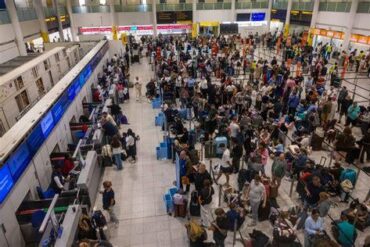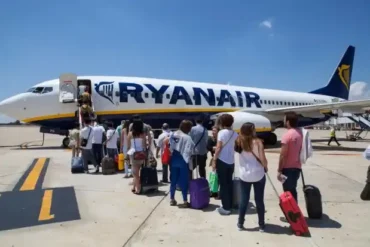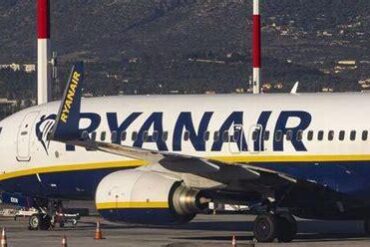
Greece, Spain, and Ireland are currently facing widespread travel chaos as Ryanair has grounded more than 170 flights amid a significant disruption caused by a nationwide air traffic control strike in France. This strike has led to the closure of large portions of French airspace, compelling authorities to demand a 40% reduction in operations at Paris airports. The ramifications of this air traffic control strike extend beyond France’s borders, affecting numerous European routes and holiday departures at a time when travel demand is at its peak during the summer season.
The strike, initiated by French air traffic controllers, is set to begin on Thursday evening and is expected to have ripple effects throughout Europe by Friday. In response to the anticipated staff shortages and severe delays, the French Civil Aviation Authority (DGAC) has instructed airlines to significantly cut back their operations. Ryanair has confirmed that it has grounded numerous flights not only to and from France but also those simply flying over French airspace on their way to destinations including the United Kingdom, Spain, Ireland, and Greece. Unlike previous disruptions, this wave of cancellations is impacting flights that do not have France as either an origin or destination.
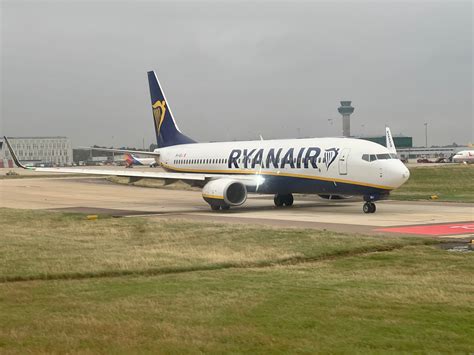
The cancellations include a mix of overflights—routes that traverse French airspace to connect various countries across Europe. This situation has ignited a critical dialogue regarding the need for systemic reform in European aviation coordination. Ryanair is calling on European Union regulators to take action, advocating for structural protections that would ensure uninterrupted overflight traffic during national air traffic control strikes. The airline emphasizes the importance of maintaining morning flight waves, which are typically the busiest and most essential, irrespective of the country where the strike occurs.
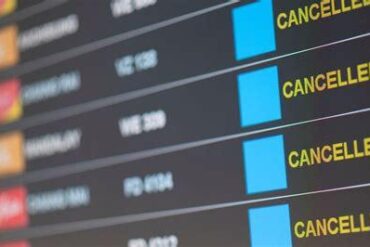
While Ryanair has felt the brunt of these cancellations, other airlines are also experiencing significant disruptions. EasyJet and Air France have already canceled a combined total of 187 flights in anticipation of the strike, with Air France’s regional arm, HOP, pulling an additional 60 flights from its schedule. Altogether, over 50,000 travelers now face the possibility of delays or outright cancellations, and these numbers could rise further if the strike persists into the weekend.
The union representing French air traffic controllers is advocating for a series of demands, which include increased staffing levels and higher pay. They argue that current workloads have become unsustainable due to a surge in post-pandemic travel demand coupled with slow recruitment efforts. Controllers are tasked with managing an increasing volume of air traffic with limited resources, which has led to concerns about burnout and safety issues.
In preparation for the impending strike, France’s Civil Aviation Authority has proactively ordered airlines to scale back operations, aiming to prevent a repeat of the chaotic last-minute delays and mid-air reroutes that have plagued flights during past labor actions. Travelers are being urged to verify their flight status with carriers prior to heading to the airport and to brace for delays, even if their flight appears to be on schedule.
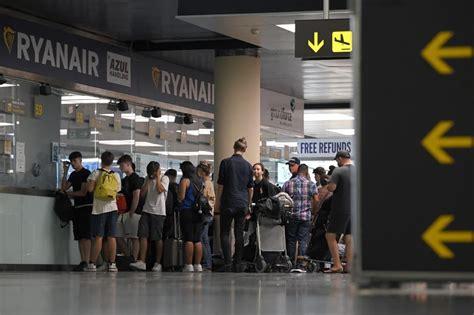
This labor action is particularly disruptive as it coincides with the onset of the school summer holidays in France, one of the busiest times on the French travel calendar. Families are beginning their annual summer getaways, and with airport traffic peaking, the added strain of an air traffic control strike threatens to overwhelm both ground and air operations. Travelers heading to, from, or over France this week are already encountering confusion, lengthy wait times with airlines, and uncertain itineraries.
Airlines are making efforts to reroute aircraft around French airspace where feasible, yet such detours often result in significant additional costs and time delays. Some airlines have opted to cancel routes entirely instead of incurring the expenses associated with delays. Major airports throughout Europe are now bracing for a cascade of disruptions. Key hubs like London, Dublin, Barcelona, Rome, and Amsterdam rely heavily on French-controlled airspace to maintain seamless flight operations. Even though these cities are not at the center of the strike, turbulence in France’s skies has a domino effect that quickly spreads to other regions.
The latest wave of disruptions has once again highlighted the fragility of Europe’s aviation network in the face of localized labor strikes. Without a unified EU-wide framework to safeguard air traffic flow during national walkouts, both travelers and airlines find themselves vulnerable to the sweeping impact of country-specific industrial actions. Ryanair has been vocal in urging the European Commission to assume responsibility for ensuring that overflight services remain uninterrupted during national strikes. The airline argues that a labor action in one country should not be able to disrupt access to an entire region’s airspace, especially when passengers are simply traveling from one EU country to another.
With the summer travel season now in full swing, the aviation industry is concerned that this may signal the beginning of a new wave of labor disruptions. Similar disputes regarding air traffic control are bubbling up in other nations, and pilot and cabin crew unions across Europe are gearing up for wage negotiations linked to rising demand and inflationary pressures. For the moment, passengers are advised to stay informed through their airline’s travel alerts and prepare for possible itinerary changes, especially if their travel involves flying over French airspace.
As Ryanair cancels over 170 flights, Greece, Spain, and Ireland are grappling with significant travel disruption, following France’s airspace shutdown due to the ongoing air traffic control strike. As the strike enters its active phase and capacity reductions take hold, tens of thousands of travelers will inevitably encounter delays or cancellations. This situation places increasing pressure on airlines and regulators to devise long-term solutions to prevent such chaos in the future. Whether this disruption serves as a catalyst for EU-wide aviation reform remains uncertain, but for now, travelers find themselves once again caught in the turbulent crosswinds of Europe’s fragmented air traffic control system.