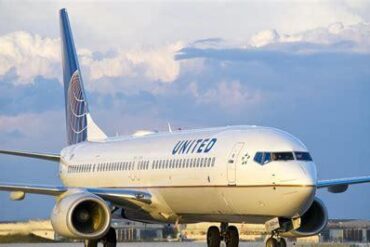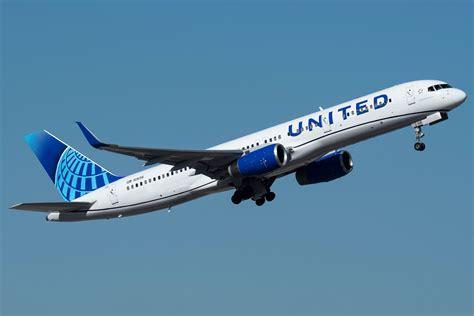
United Airlines is spearheading a remarkable rebound in US air travel, driven by a dramatic operational turnaround at Newark Liberty International Airport. After months of disruptions, cancellations, and declining passenger trust, the airline is now capitalizing on significant infrastructure improvements and air traffic management reforms, restoring its status as a dominant force in East Coast aviation.
Newark Liberty: From Crisis to Comeback
Earlier this year, Newark Liberty International Airport was a major liability for United Airlines, hampered by runway closures and FAA staffing shortages that caused cascading flight delays. These factors dragged United’s load factors down by 15%, eroding profitability and prompting widespread customer dissatisfaction. Operational reliability plummeted as delays mounted, and capacity was throttled due to the closure of a primary runway undergoing extensive reconstruction.
By early June 2025, however, the completion and reopening of that critical runway marked a decisive turning point. With the restored runway capacity, United swiftly improved its operational flexibility, reduced congestion, and elevated its flight performance metrics, laying the groundwork for aggressive schedule expansion.
FAA Stabilization and Systemic Improvements
Simultaneously, the Federal Aviation Administration (FAA) implemented key upgrades in air traffic control technology and addressed chronic staffing shortages that had previously choked Newark’s throughput. This intervention alleviated systemic bottlenecks, enabling smoother coordination between ground operations and airborne traffic. With these measures in place, Newark transformed from a congestion-prone bottleneck into New York’s most efficient airport by the end of June.
Record-Setting On-Time Performance
According to industry analytics firm Cirium, Newark recorded an on-time arrival rate of 74.2% in June 2025 — significantly outperforming rivals JFK International Airport (70%) and LaGuardia (66.7%). Equally notable was Newark’s cancellation rate of just 2.1%, the lowest among the New York metro’s three primary airports. This success reversed the months-long trend of operational underperformance and delivered a vital reputational boost for both United Airlines and Newark Airport.
United Expands to 380 Daily Flights
Seizing the moment, United Airlines accelerated its expansion at Newark throughout June:
- Starting at 290 daily flights in early June.
- Surging to 350 daily departures by mid-month.
- Reaching 380 daily flights by late June, solidifying Newark as a cornerstone hub in its network.
This operational resurgence represented not only a logistical victory but also a critical strategic move as summer travel demand peaked. Jonathan Gooda, head of United’s Newark operations, highlighted that June delivered the airline’s best-ever on-time performance for the month at Newark, underscoring the efficacy of the newly stabilized infrastructure and operational reforms.
Financial Implications: Recovery Amidst Costs
Despite the operational rebound, United Airlines’ financial performance in Q2 2025 painted a mixed picture:
- Operating Revenue: $15.2 billion, a 1.7% year-over-year increase.
- Operating Expenses: $13.9 billion, marking a 6.5% increase fueled by higher capacity and cost pressures.
- Net Income: $973 million, a 26.4% decline from Q2 2024.
The airline’s profit margin shrank by 1.2 percentage points during the second quarter, largely due to Newark’s earlier disruptions and surging operational costs exacerbated by inflationary factors. Higher expenses, particularly in fuel, labor, and logistics, weighed down profitability despite the revenue gains from increased capacity.
Strategic Outlook: Balancing Risks and Growth
United Airlines projects a continued 1 percentage point margin drag through Q3 2025, reflecting the lingering effects of Newark’s past constraints. Nonetheless, leadership remains optimistic about longer-term prospects. Executives anticipate leveraging Newark’s improved operations to restore customer confidence, drive higher load factors, and potentially unlock network growth across other key hubs.
Geopolitical stability — previously a volatility driver in international markets — is now cited as a favorable condition supporting global route demand, positioning United for potential resurgence in transatlantic and Pacific routes.
Industry Implications and Competitive Dynamics
United’s Newark comeback carries broader implications for the US aviation landscape. As the largest operator at Newark, United’s struggles earlier this year reverberated through national travel statistics and impacted public perception. Its recovery not only rejuvenates the airline’s own network but also strengthens Newark’s standing as a viable alternative to JFK and LaGuardia for East Coast travelers.
With summer 2025 travel volumes surging, the stakes are high. Competitors like Delta Air Lines and American Airlines are likely to monitor United’s Newark operations closely, as sustained performance improvement here could translate into market share gains in the Northeast corridor.
Conclusion: A Pivotal Summer for United Airlines
United Airlines’ resurgence at Newark represents a textbook example of how operational infrastructure, regulatory coordination, and corporate agility can collectively drive recovery. While the spring of 2025 tested the airline’s resilience amid runway closures and ATC deficiencies, early summer marked a decisive turnaround, highlighted by:
- Reopened runway capacity.
- Improved FAA oversight and ATC staffing.
- Record-setting on-time performance metrics.
- An aggressive schedule expansion to 380 daily flights.
While financial recovery remains incomplete, United’s Newark performance forms a critical pillar supporting its broader US travel rebound. With billions in revenue at stake and peak travel season underway, United’s ability to sustain and scale these improvements will determine whether this turnaround becomes a permanent operational transformation or a fleeting recovery.
In essence, United Airlines is now betting that Newark’s resurgence will be the catalyst for its second-half recovery and long-term growth — a high-stakes wager in the competitive world of US commercial aviation.