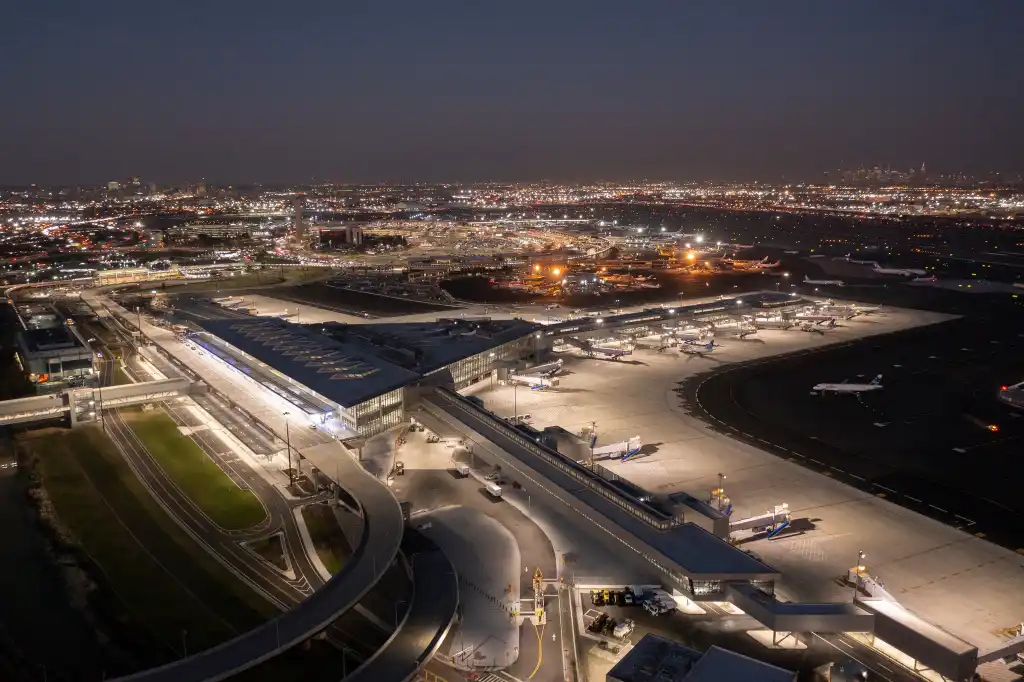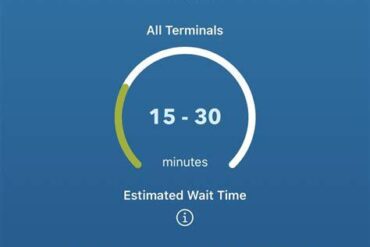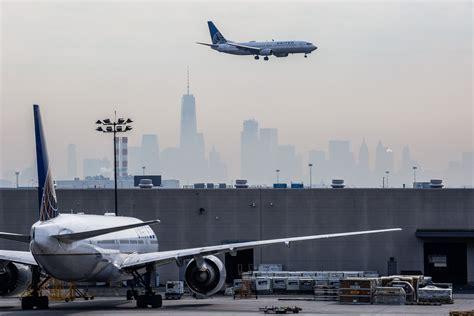
In a transformative infrastructure development, the Newark Airport Station Access Project promises to redefine travel for Newark’s South Ward residents. This ambitious $160 million initiative, already under construction, is set to cut airport commute times from up to an hour down to a mere nine minutes. This long-awaited advancement not only marks a major win for local communities historically burdened by inadequate transport links, but also signals a strategic investment in Newark’s economic future.
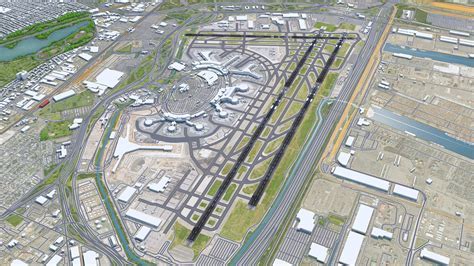
For decades, the communities of Newark’s South Ward — situated tantalizingly close to Newark Liberty International Airport — faced a bitter irony. Despite the airport’s proximity, reaching it involved frustratingly long journeys on circuitous bus routes or costly, time-consuming drives. Residents seeking employment at the airport or in related industries often found opportunity just out of reach. Now, the Newark Airport Station Access Project is set to bridge this gap with a dedicated station off Frelinghuysen Avenue, connecting seamlessly to Amtrak and NJ Transit rail services, and offering direct AirTrain access to airport terminals.
The design of this station reflects a forward-thinking vision for modern urban connectivity. A striking pedestrian bridge will span the Amtrak Northeast Corridor tracks, giving safe, direct passage to the airport. The station will integrate multi-modal transport options including ample parking, bike lanes, pedestrian pathways, and ride-share zones — all aimed at creating a frictionless journey for travelers. The AirTrain, a key feature of the system, will run at intervals as short as four minutes during peak times, ensuring rapid terminal access.
Beyond technical specifications, the deeper significance of the project lies in its potential to rectify long-standing inequalities. The lack of direct airport access has for years posed a barrier to economic mobility for thousands in the South Ward. With the station’s completion by the end of 2026, some 400,000 travelers annually are expected to benefit from this streamlined route. The ripple effects extend beyond individual commuters: the project aligns with broader goals to spur economic growth, attract investment, and position Newark as a competitive urban center.
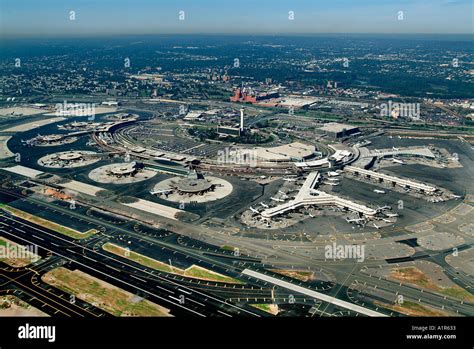
Newark Liberty International Airport ranks among the busiest transit hubs in the United States, serving as a gateway for millions of passengers annually. Yet until now, the neighborhoods flanking it remained underserved by direct transit connections. This disconnect not only limited access to air travel but also isolated residents from a wealth of employment opportunities within the airport’s bustling ecosystem of airlines, logistics firms, and support services.
The station’s impact is anticipated to be transformational. Local workers will have new access to jobs that were previously logistically out of reach. Businesses operating in and around the airport will gain a broader labor pool, helping to fill vital roles in aviation, hospitality, cargo handling, and security. The improved transport link could also stimulate small business growth in the South Ward, as increased foot traffic and accessibility create fertile ground for entrepreneurship.
In tandem with its direct benefits for residents, the Newark Airport Station Access Project is poised to fuel regional tourism and business travel. Easier, faster connections mean travelers can navigate between the city and airport terminals with unprecedented efficiency. This is a boon for conference organizers, airlines, and tour operators eager to promote Newark as an accessible destination. It also dovetails with the city’s ongoing redevelopment efforts, including high-profile projects like Lionsgate Film Studios, which will rely on robust transit options to support their operations and workforce.
The station’s design incorporates flexibility for future expansion, particularly with the long-discussed PATH extension from Penn Station Newark to the airport. Though that larger project remains on hold, planners have ensured that the current station could one day serve as a junction for extended PATH service. Such foresight underlines the project’s role as a cornerstone in a larger blueprint for Newark’s transportation modernization.
Importantly, the project reflects a model for equitable infrastructure development — one that prioritizes the needs of historically marginalized communities while also advancing the economic aspirations of the wider city. By slashing travel times and expanding access, the station helps level the playing field for South Ward residents. In doing so, it strengthens Newark’s claim as a city on the rise: a place where smart planning and inclusive policies drive progress.
The economic dividends of the project are expected to accrue rapidly once the station opens. Employers will benefit from a larger and more reliable talent pool. Residents will gain not just time but new avenues for career advancement and educational pursuits. The city itself will be better equipped to attract investors, developers, and innovators looking for a well-connected urban base.
What sets the Newark Airport Station Access Project apart is its holistic approach to connectivity. It’s not simply about reducing minutes on a timetable — it’s about reimagining how infrastructure can serve as a tool for social equity, economic resilience, and urban vitality. The inclusion of bike paths, pedestrian-friendly design, and ride-share integration reflects a commitment to sustainability and environmental responsibility, ensuring that the station serves both current and future generations.
The station’s construction is itself a symbol of renewal and investment. Once a site dominated by off-airport parking, the location will soon house a dynamic transport hub designed to meet 21st-century demands. The pedestrian bridge spanning the bustling Amtrak corridor stands as a literal and figurative bridge between isolated communities and a world of new opportunity.
As Newark moves closer to the station’s completion, the city’s broader transportation future comes into sharper focus. With federal and state leaders increasingly prioritizing infrastructure upgrades, Newark is well-positioned to capitalize on emerging funding opportunities for further rail, road, and transit improvements. The Newark Airport Station Access Project represents not just a local upgrade, but a crucial building block in the region’s long-term growth strategy.
Ultimately, this project affirms that targeted infrastructure investments can deliver transformative benefits. By aligning smart design with community needs, Newark is setting a powerful example for cities across the nation — proving that when transportation works for everyone, entire communities can thrive.